
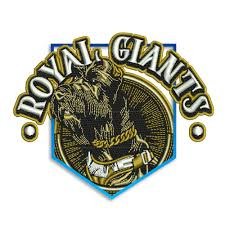
Embroidery digitizing logo Many businesses, clothing brands, sports teams, and promotional companies use embroidered logos on uniforms, caps, jackets, and promotional products. However, one common issue people face is poor embroidery quality. Designs may look uneven, letters become unreadable, or stitches create gaps and puckering on fabric. These problems usually happen because the design was not digitized correctly before embroidery production.
A properly prepared embroidery file is important for achieving clean and professional embroidery results. This is where embroidery digitizing becomes valuable. It converts artwork into a machine-readable embroidery file that guides embroidery machines on stitch placement, direction, density, and sequence. Without proper digitizing, even a good-looking logo can produce poor stitching results.
Why Logo Digitizing Matters in Embroidery
Embroidery machines cannot understand normal image files like JPG, PNG, or SVG directly. They require a specialized embroidery file format that contains stitch instructions. Digitizing transforms artwork into embroidery data so machines can sew the design accurately.
A professional digitizer studies every part of the logo carefully. They decide stitch angles, underlay settings, density levels, and pull compensation according to the fabric type and design complexity. These technical adjustments help the embroidered logo appear clean and balanced on garments.
Poor digitizing can lead to several issues, including:
- Broken stitch paths
- Thread breaks
- Uneven text alignment
- Distorted shapes
- Excessive thread trims
- Fabric puckering
Good digitizing helps avoid these problems and improves overall embroidery quality.
Common Problems in Logo Embroidery
Many people believe embroidery machines alone create perfect results, but the file quality plays a major role. Even expensive embroidery machines cannot fix a poorly digitized file.
Small Text Becoming Unreadable
One of the most common problems occurs when logos contain very small text. If the lettering is digitized with incorrect stitch density or column width, the text may become thick and unreadable after stitching.
Professional digitizers simplify small details while maintaining the original appearance of the logo. They use suitable stitch types and proper spacing to improve readability.
Fabric Puckering
Fabric puckering happens when stitches pull fabric too tightly. This usually occurs because of incorrect density settings or poor underlay structure. Lightweight fabrics are especially sensitive to this problem.
Experienced digitizers adjust stitch density according to fabric type and apply suitable underlay techniques to stabilize the material.
Gaps in Embroidery
Sometimes gaps appear between stitch sections after embroidery production. This is caused by fabric movement during stitching. Pull compensation is used to fix this issue by slightly extending stitch coverage.
Without proper pull compensation, logos may look incomplete or uneven after embroidery.
Choosing the Right Stitch Type
Different stitch types are used depending on the logo design and fabric requirements. Selecting the correct stitch type improves appearance and durability.
Satin Stitches
Satin stitches are commonly used for borders, lettering, and smooth design areas. They create a shiny and professional appearance. However, satin stitches are best for medium-width areas because overly wide satin columns may snag or loop.
Fill Stitches
Fill stitches cover larger design areas with textured stitching patterns. They are commonly used in larger logos and background sections. Different fill patterns create different visual effects.
Running Stitches
Running stitches are thin lines used for details, outlines, and fine elements. They also help reduce stitch count in simple designs.
The correct combination of these stitch types helps logos appear balanced and visually attractive.
Importance of Fabric Selection
A logo may stitch perfectly on one fabric but poorly on another. Fabric type significantly affects embroidery results. Stretch fabrics, caps, jackets, towels, and performance wear all require different digitizing approaches.
For example:
- Caps need center-out stitching to reduce distortion
- Towels require higher stitch density for visibility
- Stretch fabrics need flexible underlay settings
- Thick jackets require stronger stitch support
Professional digitizers test designs according to the garment type to ensure clean production results.
How Professional Digitizing Saves Time and Money
Some businesses try using automatic software for converting logos into embroidery files. While auto-digitizing tools may work for very simple artwork, they often fail with detailed logos and complex designs.
Poor embroidery files can cause:
- Material waste
- Production delays
- Thread breakage
- Machine downtime
- Customer complaints
Professional digitizing reduces these risks by creating optimized embroidery files that run smoothly on machines.
Efficient files also reduce unnecessary trims and color changes, helping embroidery businesses complete orders faster.
Best Practices for Better Embroidery Results
There are several ways businesses and embroidery shops can improve logo embroidery quality.
Use High-Quality Artwork
Clear vector files or high-resolution artwork help digitizers create accurate embroidery files. Blurry images make it difficult to identify small details and proportions.
Avoid Excessive Details
Very tiny elements may not stitch properly on garments. Simplifying unnecessary details improves embroidery readability and production quality.
Test Before Bulk Production
Running a sample stitch-out before full production helps identify issues early. This step saves both time and material costs.
Choose Suitable Thread Colors
Thread colors should match the original brand identity while maintaining contrast on the garment fabric. Some colors appear differently when stitched compared to digital screens.
The Role of Embroidery Digitizing in Branding
Logos represent brand identity. Poor embroidery quality can negatively affect a company’s professional image. Clean and sharp embroidery creates a stronger visual impact on uniforms, promotional apparel, and branded merchandise.
Professional embroidery helps businesses:
- Build brand recognition
- Improve customer trust
- Create a polished appearance
- Maintain consistency across garments
This is why many companies invest in professional embroidery digitizing logo services for their branding projects.
Future of Embroidery Digitizing
Modern embroidery technology continues to improve with advanced software and machine capabilities. However, human expertise remains essential for achieving professional-quality embroidery.
Experienced digitizers understand stitch behavior, fabric interaction, and machine limitations better than automated systems. Their technical knowledge helps create embroidery files that deliver cleaner results with fewer production issues.
As demand for custom apparel and branded merchandise continues to grow, embroidery digitizing will remain an important part of the embroidery industry.
Conclusion
Embroidery quality depends heavily on the digitizing process. Even the best embroidery machines cannot produce professional results from poorly prepared files. Proper digitizing improves stitch accuracy, reduces production problems, and enhances logo appearance on garments.
Businesses that invest in quality embroidery preparation achieve better branding results, fewer production issues, and improved customer satisfaction. Understanding how digitizing works helps embroidery shops and brands create cleaner, more durable, and visually appealing embroidered logos.

 Arabic
 French
 Spanish
 Portuguese
 Deutsch
 Turkish
 Dutch
Dutch
 Italiano
 Russian
 Romaian
 Portuguese (Brazil)
 Greek
Greek