
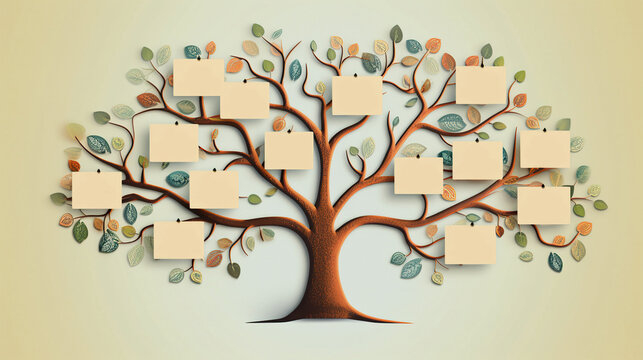
A family tree is more than a diagram of names and dates. It is a structured representation of identity, heritage, and history that connects generations across time. “Family tree support” refers to the tools, guidance, research methods, and emotional or informational assistance people use when building or maintaining a genealogical record. Whether you are tracing your lineage for personal curiosity, cultural preservation, or legal reasons, having strong support systems makes the process clearer and more meaningful.
This article explores what family tree support means, why it matters, and how individuals can effectively build and maintain their family histories using both traditional and modern resources.
Understanding Family Tree Support
Family tree support includes all the resources that help someone discover, organize, and verify family history information. This can involve:
- Guidance from relatives or elders
- Historical documents and archives
- Online genealogy platforms
- DNA testing services
- Community or professional genealogists
- Digital tools for organizing data
At its core, family tree support bridges the gap between fragmented family memories and verified historical records. Without support, genealogical research can become confusing due to missing data, inconsistent spelling of names, or incomplete documentation.
Why Family Tree Research Matters
Building a family tree is not just an academic exercise. It has emotional, cultural, and practical significance.
1. Preserving Family Identity
Families often lose stories within two or three generations. A family tree preserves names, relationships, and histories so future generations can understand where they come from.
2. Understanding Health History
Genealogical records can help identify inherited medical conditions. Knowing patterns in family health history can be valuable for preventive care.
3. Cultural and Historical Awareness
Many people discover migration patterns, cultural heritage, or ancestral occupations that shape their identity.
4. Legal and Administrative Uses
In some cases, family trees support are needed for inheritance claims, citizenship applications, or legal documentation of lineage.
Traditional Sources of Family Tree Support
Before digital tools existed, family history was preserved through oral traditions and physical records. These remain important even today.
Family Records and Oral History
Elders are often the first and most important source of information. Conversations with grandparents or relatives can reveal:
- Full names and nicknames
- Marriage and birth details
- Migration stories
- Family disputes or separations
However, oral history should always be verified when possible, as memory can be inconsistent over time.
Civil and Religious Records
Documents such as birth certificates, marriage licenses, death records, and baptismal records are critical for building accurate family tree support. Churches, mosques, temples, and government offices often maintain archives that go back decades or even centuries.
Local Archives and Libraries
Public libraries and regional archives can provide access to census records, land ownership documents, and historical newspapers that help trace family movements.
Digital Family Tree Support Systems
In the modern era, technology has transformed genealogy into a more accessible and collaborative activity.
Online Genealogy Platforms
Platforms like Ancestry.com and MyHeritage allow users to build interactive family trees, search historical records, and connect with potential relatives worldwide.
These platforms typically offer:
- Automated record matching
- Historical document databases
- Family tree builders
- DNA integration
- Community forums
DNA Testing Services
Genetic testing has become a powerful supplement to traditional genealogy. It helps confirm biological relationships and trace ancestral origins across regions. While DNA results are not a complete family tree support on their own, they provide strong supporting evidence.
Genealogy Software Tools
Desktop and mobile applications allow users to store and organize family data offline. These tools help manage complex family structures, attach documents, and visualize relationships clearly.
Steps to Building a Supported Family Tree
Creating a reliable family tree requires a structured approach.
Step 1: Start With What You Know
Begin with yourself and immediate family members. Record:
- Full names
- Dates of birth
- Places of birth
- Known relatives
Step 2: Interview Family Members
Speak to older relatives and document their memories. Ask open-ended questions to gather stories and connections.
Step 3: Collect Documents
Gather certificates, letters, photos, and official records. These will help confirm details and fill gaps.
Step 4: Organize Information
Use charts or digital tools to arrange relationships clearly. Avoid guessing—mark uncertain data separately.
Step 5: Verify With External Sources
Cross-check information using public records, archives, and online databases. This reduces errors caused by incomplete memories.
Step 6: Expand Through Research
Once your immediate tree is complete, begin exploring earlier generations using historical records and DNA matches.
Common Challenges in Family Tree Research
Even with strong support systems, genealogy research can be complex.
Missing or Inaccurate Records
Many older records may be lost, damaged, or incomplete. Spelling variations of names are also common.
Migration and Name Changes
Families who migrated across regions or countries may have changed surnames or adapted spellings, making tracking difficult.
Conflicting Information
Different sources may provide different dates or names. In such cases, researchers must compare evidence carefully.
Privacy Restrictions
Some modern records are restricted due to privacy laws, limiting access to recent data.
Emotional Value of Family Trees
Beyond facts and documentation, family trees often carry deep emotional meaning. People may discover:
- Unknown relatives
- Lost branches of the family
- Stories of resilience, migration, or hardship
- Cultural roots they were not aware of
This emotional connection often motivates individuals to continue research even when it becomes difficult.
Professional Family Tree Support Services
Some individuals choose to hire professional genealogists for complex cases. These experts use advanced research methods, historical expertise, and access to restricted archives.
Professional support is especially helpful when:
- Records are incomplete or destroyed
- Research spans multiple countries
- DNA results are difficult to interpret
- Legal documentation is required
The Future of Family Tree Support
Genealogy is evolving rapidly due to technology. Artificial intelligence, improved DNA analysis, and global record digitization are making it easier than ever to trace ancestry.
Future developments may include:
- Real-time global ancestry matching
- More accurate genetic lineage mapping
- Automated historical reconstruction of family events
- Integration of multimedia storytelling into family trees
Despite these advancements, the human element—stories, memories, and shared experiences—will always remain central.
Conclusion
Family tree support is a combination of tradition, technology, and personal effort. It brings together oral history, official documents, digital tools, and scientific analysis to create a clearer picture of ancestry.
Building a family tree is not just about organizing names—it is about preserving identity, understanding heritage, and connecting generations. With the right support systems, anyone can transform scattered information into a meaningful family history that lasts for generations.

 English
 Arabic
 French
 Spanish
 Portuguese
 Deutsch
 Turkish
 Dutch
Dutch
 Italiano
 Russian
 Portuguese (Brazil)
 Greek
Greek