
Every dog owner wants their pet to be happy, active, and comfortable. While many people focus on exercise, grooming, and nutrition, one important area is often overlooked: dog gut health. A healthy digestive system plays a major role in your dog’s overall well-being. From nutrient absorption to energy levels, the condition of your dog’s gut can influence nearly every aspect of daily life.
When a dog's digestive system is functioning properly, they often experience better comfort after meals, improved energy, a healthier coat, and a more balanced mood. On the other hand, digestive imbalances can contribute to discomfort, irregular bowel movements, low energy, and reduced quality of life.
Understanding how the digestive system works and how to support it can help your pet enjoy a healthier and more active life. This guide explains everything you need to know about maintaining strong digestive wellness for your canine companion.
Understanding the Digestive System in Dogs
A dog's digestive system is responsible for breaking down food into nutrients that can be used for energy, growth, and overall body function. The digestive tract includes the mouth, stomach, intestines, and other supporting organs that work together to process food efficiently.
Inside the intestines lives a large community of microorganisms often referred to as the gut microbiome. These beneficial bacteria help support digestion, nutrient absorption, and immune function. When the microbiome remains balanced, digestion tends to run smoothly.
Problems can occur when the balance between beneficial and harmful bacteria becomes disrupted. Changes in diet, stress, aging, illness, or environmental factors may affect this balance, leading to digestive discomfort and other health concerns.
This is why maintaining dog gut health is an important part of responsible pet care.
Why Gut Health Matters for Dogs
Many pet owners are surprised to learn that the digestive system affects much more than digestion alone. The gut plays a role in multiple bodily functions that contribute to overall wellness.
Some of the major areas influenced by gut health include:
- Digestive comfort
- Nutrient absorption
- Immune system support
- Energy production
- Mood and behavior
- Coat appearance
- Weight management
- Daily vitality
When the gut is functioning properly, dogs often appear more energetic, alert, and comfortable throughout the day.
Signs of Poor Digestive Health
Recognizing early signs of digestive imbalance can help prevent larger issues from developing later.
Some common signs may include:
Irregular Bowel Movements
Changes in stool consistency, frequency, or appearance can indicate digestive concerns.
Occasional Bloating
Some dogs experience abdominal discomfort after meals, which may suggest digestive imbalance.
Low Energy Levels
Poor nutrient absorption can leave dogs feeling tired or less interested in activity.
Reduced Appetite
Digestive discomfort sometimes affects a dog's interest in food.
Excessive Gas
Frequent gas may occur when food is not being processed efficiently.
Changes in Mood
Some dogs become irritable, anxious, or less social when they are uncomfortable.
Dull Coat Appearance
Because nutrients support skin and coat health, digestive issues can sometimes affect appearance.
If symptoms persist or become severe, consulting a veterinarian is always recommended.
The Connection Between Gut Health and Immunity
One of the most fascinating aspects of canine wellness is the relationship between the digestive system and immune function.
A significant portion of the immune system is closely connected to the gut. Beneficial bacteria help maintain a healthy internal environment and support the body's natural defenses.
When digestive balance is maintained:
- The body may respond better to everyday challenges.
- Nutrient absorption improves.
- Overall wellness becomes easier to maintain.
- Dogs may recover more effectively from minor digestive stress.
Supporting digestive wellness is therefore one of the most effective ways to encourage long-term health.
Nutrition and Dog Gut Health
Nutrition is one of the most important factors affecting digestive wellness.
Feeding high-quality food provides the nutrients necessary for maintaining a balanced digestive environment.
Prioritize Quality Ingredients
Look for dog foods that contain:
- High-quality protein sources
- Digestible carbohydrates
- Healthy fats
- Essential vitamins
- Important minerals
A balanced diet creates a strong foundation for digestive wellness.
Avoid Sudden Food Changes
Rapid dietary changes can sometimes upset the digestive system.
When introducing a new food:
- Transition gradually
- Mix old and new food over several days
- Monitor your dog's response
A slow transition helps the digestive system adapt more comfortably.
Ensure Proper Hydration
Water is essential for digestion and nutrient transport.
Always provide fresh, clean water to help support healthy digestive function.
The Role of Beneficial Bacteria
Beneficial bacteria are a key component of digestive wellness.
These microorganisms help:
- Break down food
- Support nutrient absorption
- Maintain digestive balance
- Encourage regular bowel movements
- Promote overall comfort
When beneficial bacteria thrive, the digestive system often functions more efficiently.
For more information and practical digestive wellness resources, visit [Your Domain Here] to explore additional guidance for pet owners.
How Age Affects Digestive Wellness
As dogs age, their digestive systems may change.
Older dogs sometimes experience:
- Reduced digestive efficiency
- Changes in appetite
- Lower activity levels
- Altered nutrient absorption
Because of these natural changes, senior dogs often benefit from additional attention to digestive support.
Providing appropriate nutrition, exercise, hydration, and routine veterinary care can help maintain digestive comfort throughout the aging process.
Exercise and Digestive Function
Physical activity does more than support muscles and cardiovascular health.
Exercise can also help:
- Encourage regular digestion
- Support healthy metabolism
- Reduce stress
- Maintain healthy body weight
- Improve overall energy levels
Daily walks, play sessions, and age-appropriate activities can contribute significantly to digestive wellness.
Consistency is often more important than intensity.
Stress and Digestive Health
Many pet owners don't realize how closely stress and digestion are connected.
Dogs may experience stress from:
- Changes in routine
- Travel
- Loud noises
- New environments
- Separation from family members
Stress can sometimes affect digestion and appetite.
Supporting emotional well-being may help maintain digestive balance.
Ways to reduce stress include:
- Consistent schedules
- Regular exercise
- Mental enrichment
- Positive social interaction
- Comfortable resting areas
A calm dog often experiences better overall wellness.
Supporting Nutrient Absorption
Even the highest-quality food cannot provide maximum benefits if nutrients are not absorbed effectively.
Healthy digestion supports efficient nutrient utilization, helping dogs receive the full value of their meals.
Proper nutrient absorption contributes to:
- Strong muscles
- Healthy skin
- Shiny coats
- Better energy
- Daily vitality
This is another reason why maintaining a healthy digestive environment is so important.
Common Factors That Can Affect Gut Balance
Several factors may influence digestive wellness.
Diet Quality
Poor-quality ingredients can sometimes make digestion more difficult.
Antibiotic Use
While antibiotics can be necessary in certain situations, they may temporarily affect gut bacteria.
Aging
Digestive efficiency can naturally change over time.
Environmental Stress
Stressful situations may influence digestive comfort.
Lack of Exercise
Reduced activity can sometimes impact digestive regularity.
Inconsistent Feeding Schedules
Irregular meal times may affect digestive rhythm.
Being aware of these factors helps pet owners make informed decisions about daily care.
The Importance of Routine
Dogs thrive on consistency.
A predictable daily schedule can support:
- Digestion
- Energy levels
- Behavior
- Comfort
- Overall wellness
Helpful routines include:
- Regular feeding times
- Daily walks
- Consistent sleep schedules
- Fresh water availability
- Scheduled play sessions
Small habits can have a meaningful impact on digestive health over time.
Building a Gut-Friendly Lifestyle
Creating a gut-friendly lifestyle doesn't require complicated changes.
Simple habits often produce the greatest long-term benefits.
Feed Balanced Meals
Choose nutritious foods appropriate for your dog's age and size.
Encourage Activity
Daily movement supports healthy digestion.
Maintain Hydration
Water supports every aspect of digestive function.
Reduce Unnecessary Stress
A calm environment benefits overall wellness.
Monitor Changes
Pay attention to appetite, energy, and stool quality.
Schedule Veterinary Visits
Regular checkups help identify concerns early.
Together, these habits create a strong foundation for lifelong digestive health.
Gut Health and Coat Appearance
Many owners notice improvements in coat condition when digestion is functioning well.
A healthy digestive system helps the body utilize nutrients that support:
- Skin hydration
- Coat shine
- Hair strength
- Overall appearance
When digestion is compromised, visible changes may sometimes appear in the skin or coat.
Supporting digestive balance can contribute to a healthier-looking pet from the inside out.
Gut Health and Energy Levels
Energy starts with nutrition, but nutrition depends on digestion.
When nutrients are absorbed efficiently, dogs often experience:
- Better stamina
- Increased enthusiasm
- Improved activity levels
- More playful behavior
Healthy digestion helps convert food into usable energy that supports daily activities.
This relationship explains why many pet owners notice increased vitality when digestive wellness improves.
Long-Term Benefits of Digestive Support
Maintaining digestive wellness consistently can contribute to:
- Greater comfort
- More balanced energy
- Better nutrient utilization
- Healthy immune function
- Improved daily mood
- Enhanced quality of life
The benefits often build gradually over time, making consistency one of the most important factors in long-term success.
Practical Daily Tips for Pet Owners
If you're looking to support your dog's digestive wellness, consider these simple daily habits:
- Feed a balanced diet.
- Keep meal times consistent.
- Provide clean water.
- Encourage daily exercise.
- Minimize unnecessary stress.
- Monitor digestive patterns.
- Maintain regular veterinary visits.
- Support beneficial gut bacteria through appropriate nutritional choices.
- Avoid excessive treats or sudden diet changes.
- Pay attention to your dog's behavior and comfort.
These small actions can help support a healthier digestive environment and contribute to overall well-being.
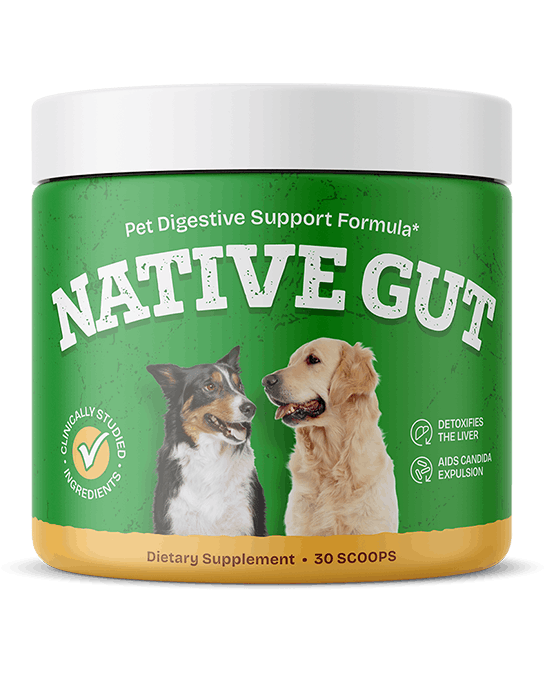
For additional pet wellness information, digestive care tips, and educational resources, check Native Gutfor helpful updates and practical guidance.
Conclusion
A healthy digestive system is one of the most important foundations of overall canine wellness. From energy levels and immune support to mood and nutrient absorption, the benefits of strong dog gut health extend far beyond digestion alone.
By focusing on quality nutrition, hydration, exercise, stress management, and consistent daily habits, pet owners can help their dogs maintain comfort and vitality throughout every stage of life. Small improvements made today can contribute to better wellness tomorrow.
Whether your dog is young, active, aging, or somewhere in between, supporting digestive balance is a valuable investment in their happiness and quality of life. With proper care and attention, dogs can enjoy healthier digestion, greater energy, and a more vibrant daily experience.
this product is very helpful for this problem.

 English
 Arabic
 French
 Spanish
 Deutsch
 Turkish
 Dutch
Dutch
 Italiano
 Russian
 Romaian
 Portuguese (Brazil)
 Greek
Greek