
Your skin health is the largest organ of your body and serves as the first line of defense against environmental stressors, pollution, bacteria, and harmful UV rays. Maintaining good skin health is not only important for appearance but also for overall well-being. Healthy skin helps regulate body temperature, protects against infections, and supports many essential bodily functions.
In today's fast-paced world, factors such as stress, poor nutrition, lack of sleep, pollution, and excessive sun exposure can negatively impact the appearance and condition of the skin. As a result, many people experience dryness, wrinkles, fine lines, uneven tone, dullness, and loss of firmness earlier than expected.
The good news is that achieving healthier skin does not require complicated routines or expensive treatments. By understanding how skin works and adopting healthy daily habits, you can support long-term skin wellness and maintain a youthful appearance naturally.
This comprehensive guide explores everything you need to know about skin health, including nutrition, hydration, lifestyle habits, aging prevention, and practical skincare tips that can help you achieve smoother, firmer, and more radiant skin.
Understanding Your Skin
The skin consists of three primary layers:
Epidermis
The outermost layer provides protection against environmental damage. It contains cells responsible for skin tone and acts as a barrier against harmful substances.
Dermis
Located beneath the epidermis, the dermis contains collagen, elastin, blood vessels, and connective tissue. This layer is responsible for skin strength, elasticity, and firmness.
Hypodermis
The deepest layer contains fat and connective tissues that provide cushioning and insulation.
Together, these layers work continuously to protect your body while maintaining moisture balance and overall skin function.
Why Skin Health Matters
Many people focus on skincare solely for cosmetic reasons, but healthy skin offers benefits beyond appearance.
Protection Against Environmental Damage
Healthy skin acts as a shield against pollutants, bacteria, viruses, and harmful UV radiation.
Better Hydration Balance
Properly functioning skin retains moisture more effectively, preventing dryness and irritation.
Slower Signs of Aging
Maintaining healthy skin helps reduce the appearance of wrinkles, fine lines, and sagging.
Improved Confidence
Clear, vibrant skin often contributes to greater self-confidence and overall emotional well-being.
Enhanced Healing
Healthy skin recovers faster from minor injuries, irritation, and environmental stress.
The Role of Collagen in Skin Appearance
Collagen is one of the most important proteins for youthful-looking skin. It provides structure, firmness, and elasticity.
During youth, the body naturally produces abundant collagen. However, collagen production gradually decreases with age. This decline often leads to:
- Fine lines
- Wrinkles
- Loss of elasticity
- Sagging skin
- Reduced firmness
Supporting collagen production through healthy lifestyle choices can play a major role in maintaining youthful skin over time.
Common Factors That Affect Skin Health
Sun Exposure
Excessive exposure to ultraviolet (UV) rays is one of the leading causes of premature aging.
UV damage can contribute to:
- Wrinkles
- Age spots
- Uneven pigmentation
- Loss of elasticity
- Rough skin texture
Using sun protection regularly is one of the most effective ways to preserve healthy skin.
Poor Nutrition
The foods you eat directly affect your skin's appearance and function.
Diets high in processed foods, excess sugar, and unhealthy fats may contribute to inflammation and skin concerns.
Dehydration
Water is essential for maintaining skin moisture and elasticity. Insufficient hydration can cause:
- Dryness
- Flakiness
- Dull complexion
- Reduced skin resilience
Stress
Chronic stress can impact hormonal balance and trigger various skin issues. Stress management is an often-overlooked component of healthy skincare.
Lack of Sleep
Sleep is the body's natural repair period. Poor sleep may lead to:
- Puffy eyes
- Dull skin
- Increased fine lines
- Reduced skin recovery
Nutrition and Skin Wellness
One of the most effective ways to improve skin health is through proper nutrition.
Vitamin A
Vitamin A supports skin cell renewal and healthy skin function.
Common sources include:
- Sweet potatoes
- Carrots
- Spinach
- Kale
Vitamin C
Vitamin C plays a crucial role in collagen production and antioxidant protection.
Good sources include:
- Oranges
- Strawberries
- Bell peppers
- Kiwi
Vitamin E
Vitamin E helps protect skin cells from oxidative damage.
Sources include:
- Almonds
- Sunflower seeds
- Avocados
Zinc
Zinc supports skin repair and helps maintain healthy skin tissue.
Sources include:
- Pumpkin seeds
- Lentils
- Chickpeas
- Whole grains
Omega-3 Fatty Acids
Healthy fats support hydration and skin elasticity.
Sources include:
- Salmon
- Walnuts
- Chia seeds
- Flaxseeds
Hydration and Its Impact on Skin
Water is one of the most important components of healthy skin.
Proper hydration helps:
- Maintain elasticity
- Improve texture
- Reduce dryness
- Support natural detoxification
Experts often recommend drinking water consistently throughout the day rather than consuming large amounts at once.
Hydration also comes from water-rich foods such as:
- Cucumbers
- Watermelon
- Celery
- Tomatoes
- Oranges
Daily Habits That Support Healthy Skin
Simple daily practices can significantly improve long-term skin appearance and function.
Gentle Cleansing
Cleansing removes dirt, excess oil, and environmental pollutants without stripping natural moisture.
Moisturizing
Moisturizers help maintain the skin barrier and prevent moisture loss.
Sun Protection
Daily sunscreen use can help minimize photoaging and maintain youthful skin.
Avoid Smoking
Smoking accelerates collagen breakdown and contributes to premature wrinkles.
Regular Exercise
Physical activity improves circulation, helping deliver oxygen and nutrients to skin tissues.
For more practical tips and expert resources about maintaining healthy skin and beauty routines, visit [DOMAIN PLACEHOLDER].
How Aging Affects the Skin
Aging is a natural process, but understanding its effects can help you make informed skincare choices.
Common age-related changes include:
Reduced Collagen Production
Less collagen means less firmness and elasticity.
Slower Cell Turnover
Skin renewal slows over time, resulting in a duller appearance.
Decreased Moisture Retention
Mature skin often becomes drier due to reduced oil production.
Thinner Skin
The skin gradually becomes thinner and more fragile with age.
While aging cannot be stopped, healthy habits may help minimize its visible effects.
The Importance of Antioxidants
Free radicals are unstable molecules generated by:
- Pollution
- UV radiation
- Stress
- Poor diet
These molecules contribute to oxidative stress, which accelerates aging.
Antioxidants help neutralize free radicals and support skin protection.
Popular antioxidant-rich foods include:
- Blueberries
- Green tea
- Spinach
- Dark chocolate
- Pomegranates
Including antioxidant-rich foods in your diet may help maintain healthier, more resilient skin.
Managing Common Skin Concerns
Dry Skin
Dry skin may result from:
- Weather changes
- Aging
- Harsh skincare products
- Dehydration
Solutions include moisturizing regularly and staying hydrated.
Fine Lines and Wrinkles
Fine lines often develop due to:
- Aging
- Sun exposure
- Repeated facial expressions
Healthy lifestyle choices can help reduce their appearance over time.
Uneven Skin Tone
Sun exposure and environmental factors can contribute to uneven pigmentation.
Sun protection is particularly important for maintaining even skin tone.
Loss of Firmness
As collagen levels decline, skin may begin to sag.
Supporting collagen production through nutrition and proper skincare can help improve skin resilience.
The Connection Between Sleep and Skin
Sleep plays a critical role in skin recovery and regeneration.
During sleep, the body:
- Repairs damaged cells
- Produces collagen
- Reduces inflammation
- Restores moisture balance
To support healthier skin:
- Aim for consistent sleep schedules
- Create a relaxing bedtime routine
- Limit screen exposure before bed
Quality sleep benefits both physical health and skin appearance.
Stress Management for Better Skin
Stress can influence hormonal activity and affect skin quality.
Effective stress-management strategies include:
Meditation
Even a few minutes daily may help reduce stress levels.
Physical Activity
Exercise promotes circulation and supports emotional wellness.
Deep Breathing
Simple breathing techniques can help calm the nervous system.
Hobbies and Relaxation
Engaging in enjoyable activities may reduce daily stress and support overall well-being.
Managing stress is an important part of any long-term skincare strategy.
Seasonal Skin Care Tips
Winter
Cold weather can cause dryness and irritation.
Helpful habits include:
- Using richer moisturizers
- Drinking enough water
- Avoiding excessively hot showers
Summer
Summer often increases sweat and sun exposure.
Focus on:
- Sun protection
- Lightweight hydration
- Regular cleansing
Spring and Fall
These transitional seasons may require adjustments to skincare routines as humidity and temperatures change.
Building a Long-Term Skin Care Routine
Consistency often matters more than complexity.
A simple routine may include:
Morning
- Gentle cleanser
- Moisturizer
- Sunscreen
Evening
- Cleanser
- Hydrating moisturizer
- Nourishing skin treatments as needed
Sticking to a consistent routine can support lasting improvements in skin appearance and texture.
Natural Ways to Support Skin Health
Many people prefer holistic approaches to skincare.
Natural strategies include:
- Eating nutrient-dense foods
- Staying hydrated
- Managing stress
- Sleeping adequately
- Exercising regularly
- Limiting excessive sun exposure
These habits work together to create an environment that supports healthy, vibrant skin from within.
Looking Ahead: Maintaining Healthy Skin for Life
Beautiful skin is not achieved overnight. It results from consistent care, healthy lifestyle choices, and patience.
By focusing on hydration, nutrition, sleep, stress management, and proper skincare habits, you can support your skin at every stage of life.
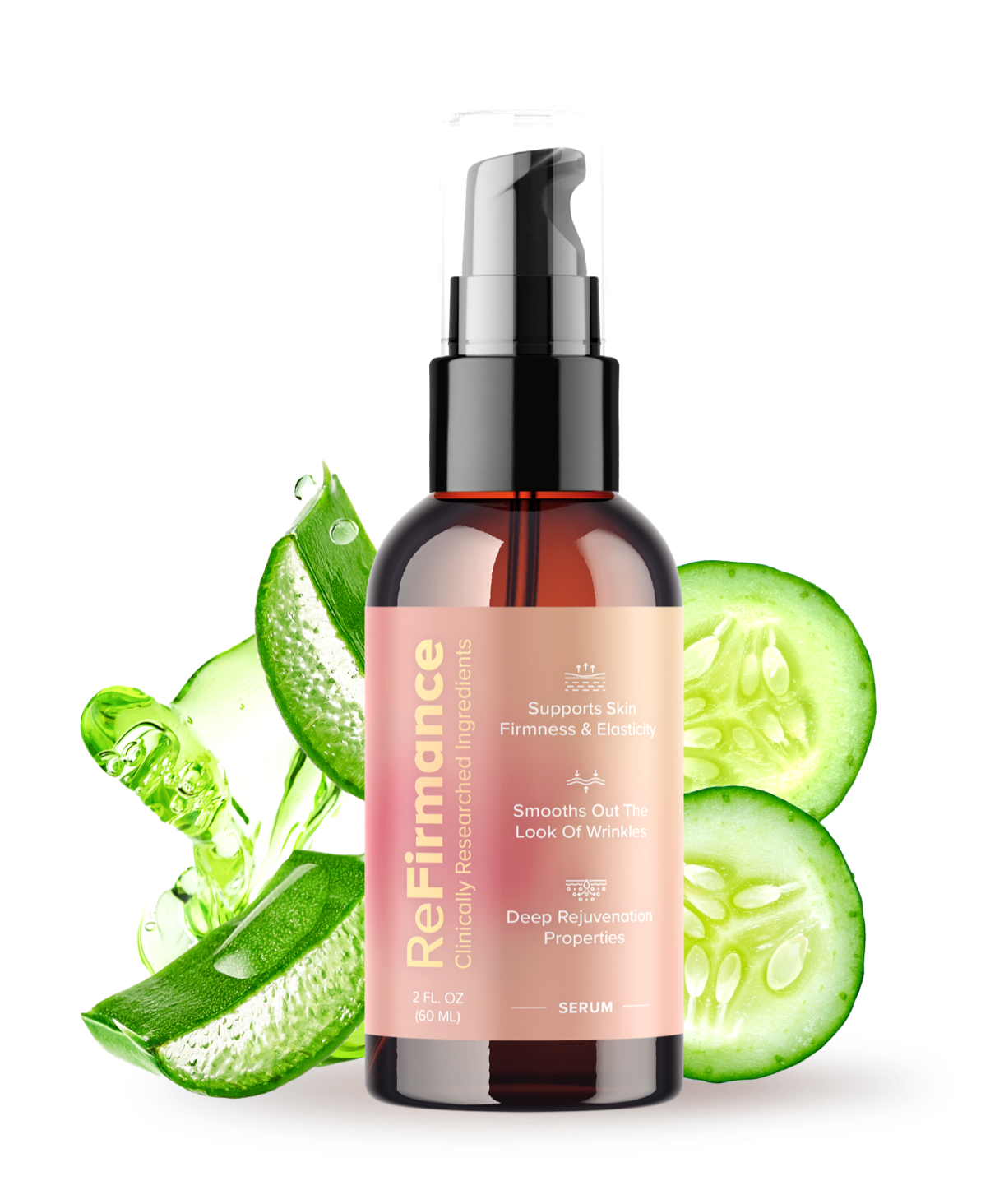
For additional skincare insights, beauty tips, and guidance on maintaining long-term skin health, explore more resources at ReFirmance.
Final Thoughts
Healthy skin reflects many aspects of overall wellness. While genetics and aging play important roles, daily choices significantly influence how skin looks and feels over time. Supporting collagen production, protecting against environmental damage, staying hydrated, eating nutritious foods, and maintaining healthy habits can all contribute to stronger, smoother, and more radiant skin.
Prioritizing skin health today can help you enjoy a more youthful appearance, greater confidence, and healthier skin for years to come. Small daily improvements often lead to meaningful long-term results, making skincare an investment in both beauty and overall well-being.
this product is very helpful for this problem.

 English
 Arabic
 French
 Spanish
 Portuguese
 Deutsch
 Turkish
 Dutch
Dutch
 Russian
 Romaian
 Portuguese (Brazil)
 Greek
Greek