
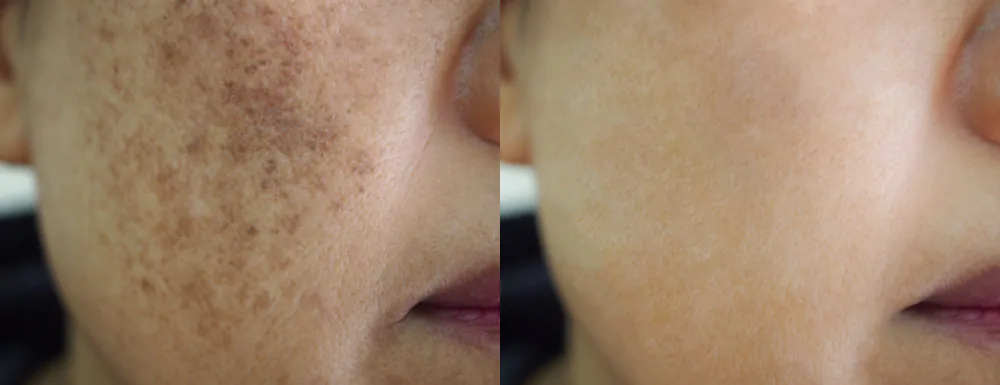
Skin concerns such as pigmentation and stretch marks are extremely common and affect people of all ages. Pigmentation Removal Treatment helps reduce dark spots, melasma, and uneven skin tone, while Stretch Marks Treatment focuses on improving skin texture and reducing visible stretch marks. Modern dermatology offers advanced non-surgical options like laser therapy, microneedling, chemical peels, and combination treatments. This guide explains causes, treatment options, benefits, limitations, and expected results in detail.
Introduction
Healthy and clear skin is often associated with confidence and attractiveness. However, many people experience skin concerns such as pigmentation and stretch marks due to hormonal changes, pregnancy, aging, sun exposure, or sudden body changes.
These conditions are not harmful medically, but they can affect appearance and self-esteem. To address them, dermatology offers advanced procedures such as Pigmentation Removal Treatment and Stretch Marks Treatment, which are designed to improve skin tone and texture using scientific and medical techniques.
Over the years, treatment technologies have improved significantly, offering better safety, faster recovery, and more visible results.
Understanding Skin Pigmentation
Pigmentation refers to the natural color of the skin, which is controlled by melanin. When melanin production becomes uneven or excessive, it leads to visible dark patches or discoloration.
Pigmentation can appear in different forms and severity levels depending on the cause and skin type.
Common Types of Pigmentation
1. Melasma
- Hormonal pigmentation
- Common in women
- Appears on cheeks, forehead, and upper lip
2. Sunspots
- Caused by UV exposure
- Common on face and hands
3. Acne Pigmentation
- Dark marks after acne healing
- Very common in young adults
4. Freckles
- Genetic pigmentation
- Small brown spots
5. Post-Inflammatory Hyperpigmentation
- Occurs after skin injury or inflammation
Causes of Pigmentation
Several factors contribute to pigmentation:
- Excess sun exposure
- Hormonal imbalance
- Acne or skin injury
- Genetics
- Aging
- Certain medications
UV exposure is one of the most significant causes of pigmentation.
What Is Pigmentation Removal Treatment?
Pigmentation Removal Treatment includes dermatological procedures that reduce excess melanin in the skin and improve overall skin tone and clarity.
Main goals:
- Lighten dark spots
- Even skin tone
- Improve brightness
- Restore natural skin appearance
Complete removal is not always possible, but visible improvement is usually achievable.
Types of Pigmentation Removal Treatment
1. Laser Treatment
Laser therapy is one of the most effective treatments.
How it works:
- Laser light targets melanin
- Breaks pigment into smaller particles
- Body removes pigment naturally
Benefits:
- Fast results
- Precise targeting
- Effective for deep pigmentation
2. Chemical Peels
Chemical peels remove the top layer of skin.
Benefits:
- Improves surface pigmentation
- Enhances skin glow
- Smoothens skin texture
3. Microneedling
Tiny needles create controlled micro-injuries.
Benefits:
- Stimulates collagen
- Reduces acne marks
- Improves skin texture
4. Topical Treatments
Includes creams and serums such as:
- Vitamin C
- Retinoids
- Kojic acid
- Azelaic acid
Useful for mild pigmentation cases.
Limitations of Pigmentation Removal Treatment
- Requires multiple sessions
- Results vary by skin type
- Sun exposure can cause recurrence
- Deep pigmentation may be resistant
Understanding Stretch Marks
Stretch marks, medically known as striae, are visible lines that form when skin stretches too quickly and collagen fibers break.
They commonly appear on:
- Abdomen
- Thighs
- Hips
- Buttocks
- Arms
- Breasts
Causes of Stretch Marks
- Pregnancy
- Rapid weight gain or loss
- Puberty growth spurts
- Bodybuilding
- Hormonal changes
- Genetic factors
Types of Stretch Marks
1. Red or Purple Stretch Marks
- Newly formed
- Easier to treat
- Active inflammation
2. White or Silver Stretch Marks
- Older marks
- Harder to treat
- Less responsive
What Is Stretch Marks Treatment?
Stretch Marks Treatment includes cosmetic procedures that improve the appearance of stretch marks and support skin regeneration.
Main goals:
- Improve skin texture
- Reduce visibility of marks
- Stimulate collagen production
- Enhance skin elasticity
Types of Stretch Marks Treatment
1. Laser Treatment
Laser stimulates collagen and skin repair.
Benefits:
- Improves texture
- Reduces scar visibility
- Non-surgical
2. Microneedling
Creates micro-injuries in skin.
Benefits:
- Boosts collagen naturally
- Improves skin smoothness
- Minimal downtime
3. Radiofrequency Treatment
Uses heat energy.
Benefits:
- Skin tightening
- Improves elasticity
- Collagen stimulation
4. PRP Therapy
Uses patient’s own plasma.
Benefits:
- Faster healing
- Improved regeneration
- Better results with combination therapy
Limitations of Stretch Marks Treatment
- Complete removal is rare
- Multiple sessions required
- Older marks respond slowly
- Results vary individually
Key Differences Between Pigmentation and Stretch Marks
| Factor | Pigmentation Removal Treatment | Stretch Marks Treatment |
|---|---|---|
| Cause | Melanin imbalance | Skin stretching |
| Appearance | Dark patches | Linear scars |
| Focus | Skin tone correction | Texture improvement |
| Treatments | Laser, peels, creams | Laser, microneedling, RF |
Benefits of Pigmentation Removal Treatment
- Even skin tone
- Reduced dark spots
- Brighter complexion
- Improved skin clarity
- Non-surgical option
Benefits of Stretch Marks Treatment
- Improved skin texture
- Reduced visibility of marks
- Smoother skin surface
- Gradual natural improvement
- Safe dermatological procedures
Side Effects of Treatments
Temporary side effects may include:
- Redness
- Swelling
- Mild irritation
- Skin sensitivity
- Temporary pigmentation changes
These effects usually resolve within a few days.
Recovery and Aftercare
Proper aftercare improves results significantly:
- Apply sunscreen daily
- Avoid direct sunlight
- Keep skin moisturized
- Avoid harsh skincare products
- Follow dermatologist instructions
Sun protection is especially important for pigmentation treatment.
Expected Results
Results depend on individual skin condition, but generally:
Pigmentation Treatment:
- Dark spots gradually fade
- Skin tone becomes more even
- Brightness improves
Stretch Marks Treatment:
- Marks become less visible
- Texture improves
- Skin looks smoother
Multiple sessions are usually required for best results.
Who Should Consider These Treatments?
These treatments are suitable for individuals who:
- Have pigmentation or stretch marks
- Want cosmetic skin improvement
- Are in good health
- Have realistic expectations
- Prefer non-surgical options
Future of Skin Treatments
Modern dermatology continues to evolve with:
- Advanced laser technology
- Combination therapies
- Faster healing techniques
- Personalized treatment planning
- AI-based skin analysis
These innovations are improving both safety and effectiveness.
Conclusion
Both Pigmentation Removal Treatment and Stretch Marks Treatment offer effective solutions for improving skin appearance and texture. While pigmentation treatment focuses on color correction, stretch mark treatment focuses on structural improvement of the skin.
Although complete removal is not always possible, significant improvement can be achieved with the right treatment plan, consistency, and professional guidance.
Frequently Asked Questions (FAQs)
1. What is Pigmentation Removal Treatment?
- It is a procedure to reduce dark spots and uneven skin tone.
- Includes laser, peels, and topical treatments.
- Improves skin brightness.
- Results vary by skin type.
2. What is Stretch Marks Treatment?
- It improves the appearance of stretch marks.
- Includes laser, microneedling, and RF therapy.
- Focuses on texture improvement.
- Multiple sessions are needed.
3. Can pigmentation be removed permanently?
- It can be significantly reduced.
- Recurrence is possible.
- Sun protection is essential.
- Maintenance may be required.
4. Can stretch marks be removed completely?
- Complete removal is rare.
- Improvement is possible.
- Early treatment works better.
- Results vary.
5. Which treatment works best for pigmentation?
- Laser and chemical peels are common.
- Depends on severity.
- Doctor decides best option.
- Combination therapy may help.
6. Which treatment works best for stretch marks?
- Laser and microneedling are effective.
- RF therapy also helps.
- Combination treatments work better.
- Skin condition matters.
7. Are these treatments painful?
- Mild discomfort may occur.
- Numbing cream helps.
- Temporary sensitivity is normal.
- Most patients tolerate well.
8. How many sessions are needed?
- Usually 3–6 sessions.
- Severe cases may need more.
- Results improve gradually.
- Depends on skin response.
9. Are side effects common?
- Mild redness or swelling may occur.
- Temporary irritation is possible.
- Usually resolves quickly.
- Proper care reduces risk.
10. Are these treatments safe?
- Yes, when done by professionals.
- Proper diagnosis is important.
- Technology selection matters.
- Aftercare ensures safety.

 English
 Arabic
 French
 Spanish
 Portuguese
 Deutsch
 Turkish
 Dutch
Dutch
 Italiano
 Russian
 Romaian
 Greek
Greek