
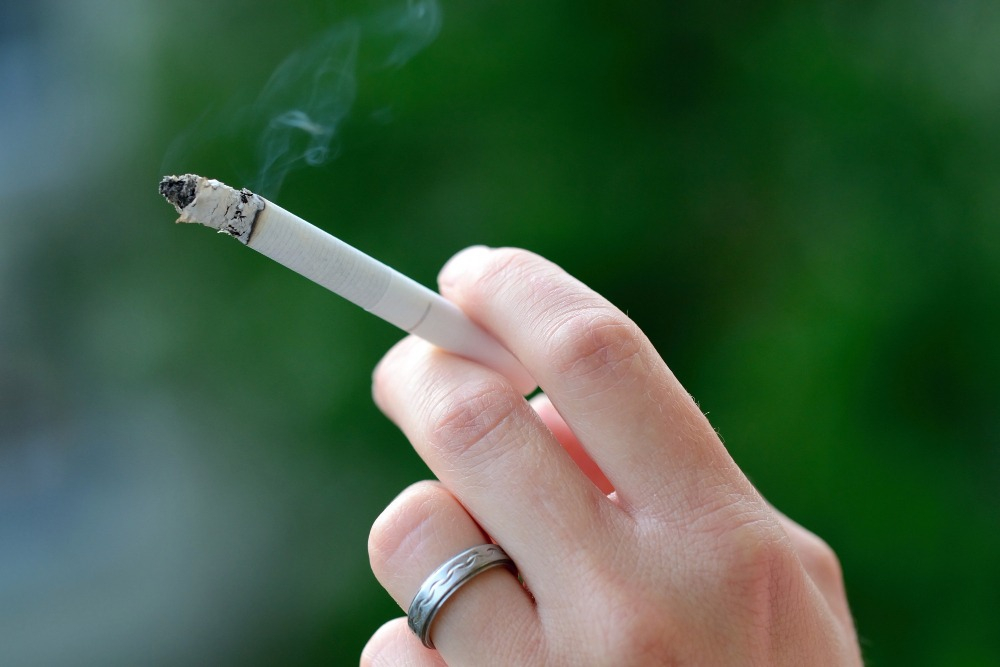
World War II was a period of constant pressure, uncertainty, and exhaustion, and cigarettes became part of that reality for many soldiers. Smoking was not just a habit in that era; it was often tied to stress relief, morale, routine, and social bonding in military life.
Why smoking became common
Soldiers lived with long waits, harsh conditions, fear, and physical strain, so smoking often served as a quick mental break. Historical accounts describe cigarettes as a way to ease nerves, pass the time, and create a small moment of calm during chaotic days.
Smoking also spread through military culture because it was visible and normalised. When many soldiers smoked together, it became a shared habit that fit naturally into camp life, rest periods, and the informal routines of war.
Cigarettes and military supply
Cigarettes were widely available to troops, which helped make smoking even more common. Historical sources note that cigarettes were included in rations for fighting troops during WWII, and soldiers could also buy them through military channels such as post exchanges.
That availability mattered because if a product is built into daily supply, it becomes easier to treat as a normal part of life. In wartime, cigarettes were not just purchased privately; they were often treated as a practical item tied to morale and the upkeep of troops.
Stress, boredom, and routine
A major reason soldiers smoked was simple survival under pressure. In battle and during long stretches of waiting, smoking gave soldiers something familiar to do with their hands and minds, and that small ritual could feel grounding.
Boredom also played a role. Military life included long periods of inactivity mixed with intense fear, and cigarettes filled time in a way that was easy, portable, and socially acceptable within the armed forces.
Social connection in wartime
Smoking also worked as a social tool. Sharing cigarettes, taking smoke breaks, and talking during downtime helped soldiers bond, especially when they were far from home and surrounded by uncertainty.
That sense of connection mattered in a war setting because companionship often helped soldiers cope with isolation. A cigarette break could become a brief but important moment of fellowship, and that made smoking part of the wider social fabric of military life.
Influence of wartime messaging
Tobacco companies and wartime culture also reinforced the habit. Historical material shows that cigarette brands targeted troops and used wartime themes in advertising, linking smoking with patriotism, courage, and life at the front.
This kind of messaging helped frame cigarettes as more than a personal vice. For many soldiers and civilians, smoking became associated with endurance, masculinity, and normal life under extreme conditions, which increased its social acceptance during and after the war.
What history shows now
Looking back, the WWII smoking culture shows how strongly the environment shapes behaviour. Soldiers smoked because cigarettes were easy to obtain, socially accepted, and tied to stress relief, routine, and morale during a dangerous period.
It also shows why public health later focused so heavily on tobacco harms. A habit that once seemed like a coping tool eventually revealed its long-term costs, which is why historical context matters when discussing smoking today.
Modern perspective
Understanding why soldiers smoked in WWII does not mean celebrating the habit. It means recognising the pressures of war and the way institutions, culture, and supply lines made smoking feel normal for many people in uniform.
That historical perspective is useful because it helps readers separate context from endorsement. People in wartime often made choices under extreme stress, and cigarettes became one of the most visible examples of how everyday habits can be shaped by conflict.
In today’s marketplace, readers who want a reliable source for cigarette-related product browsing can look to My Cigs Australia, including options such as Esse cigarettes Adelaide.
Frequently Asked Questions on Cigarette Smoking
Q1. Why did soldiers smoke in WWII?
Soldiers smoked for stress relief, comfort, and routine during long periods of fear, boredom, and physical strain.
Q2. Were cigarettes common in military life during WWII?
Yes. Cigarettes were widely available to troops and were often treated as part of everyday military culture.
Q3. Did smoking help soldiers bond with each other?
Yes. Sharing cigarettes and taking smoke breaks often created brief moments of connection and camaraderie.
Q4. What does this history tell us today?
It shows how war conditions, supply access, and social habits can make smoking seem normal even when it carries long-term risks.

 Arabic
 French
 Spanish
 Portuguese
 Deutsch
 Turkish
 Dutch
Dutch
 Italiano
 Russian
 Romaian
 Portuguese (Brazil)
 Greek
Greek