
The demand for ERW products has increased significantly as industries continue to require strong, reliable, and cost-effective steel piping solutions. ERW, which stands for Electric Resistance Welded, is one of the most widely used types of steel pipe in construction, infrastructure, oil and gas, water transportation, mechanical engineering, and industrial manufacturing. Its consistent quality, smooth surface finish, and excellent mechanical properties make it a preferred choice for a variety of commercial and industrial applications.
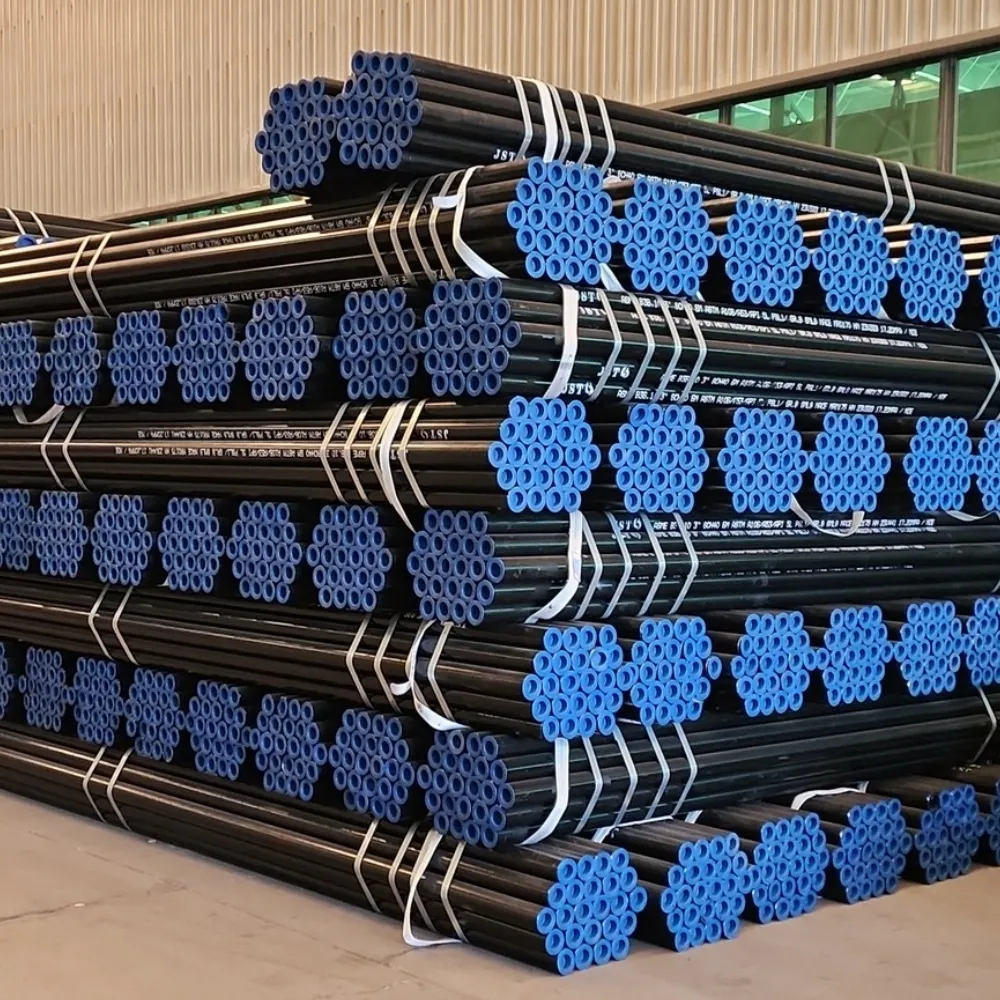
Modern manufacturing technology has greatly improved the production of ERW steel pipes, allowing manufacturers to produce pipes with high dimensional accuracy and dependable performance. Whether a project requires carbon steel pipes, galvanized steel pipes, structural tubing, or industrial pipelines, ERW products provide an economical solution without compromising quality. Businesses across the world continue to choose ERW pipes because they combine strength, durability, and affordability.
ERW Manufacturing
The production of ERW steel pipe begins with high-quality steel coils that are carefully formed into a cylindrical shape. The edges of the steel strip are heated using electrical resistance and then pressed together to create a strong longitudinal weld. Unlike traditional welding methods that require filler material, ERW manufacturing creates a clean and uniform weld with excellent strength.
Modern production equipment ensures precise dimensions, consistent wall thickness, and a smooth surface finish throughout the manufacturing process. Advanced inspection systems and automated quality control help manufacturers produce ERW pipes that meet international standards and satisfy demanding industrial requirements.
Industrial Strength
One of the biggest advantages of ERW steel pipes is their excellent structural strength. These pipes perform efficiently under normal and medium-pressure conditions while maintaining stability and reliability. Their strong weld seam and uniform construction make them suitable for numerous industrial applications where consistent performance is essential.
ERW steel pipes are widely used in construction projects, machinery manufacturing, agricultural equipment, fencing systems, scaffolding, structural frameworks, and fluid transportation. Their ability to support heavy loads while maintaining dimensional stability makes them a dependable option for engineers and contractors.
Material Quality
The quality of raw materials directly influences the performance of every ERW pipe. Leading manufacturers use premium-grade carbon steel, mild steel, and galvanized steel to ensure excellent durability and corrosion resistance. Careful material selection helps produce pipes that can withstand changing weather conditions, mechanical stress, and long-term industrial use.
Manufacturers perform extensive quality inspections during production, including dimensional testing, weld integrity verification, hydrostatic pressure testing, and surface inspection. These quality control measures ensure that every ERW steel pipe meets industry specifications before reaching customers.
Industrial Applications
The versatility of ERW products makes them suitable for a wide variety of industries. Construction companies use ERW steel pipes for structural support, commercial buildings, warehouses, bridges, and infrastructure projects because of their strength and ease of installation. Their uniform dimensions simplify fabrication and improve construction efficiency.
The oil and gas industry also uses ERW pipes for low and medium-pressure transportation systems. Water supply networks, irrigation systems, sewage pipelines, and municipal infrastructure rely on ERW steel pipes because they offer dependable performance and long service life. Mechanical engineering companies utilize ERW tubing for machine components, automotive parts, furniture manufacturing, and industrial equipment where precision and consistency are essential.
Manufacturing Standards
Reliable erw manufacturers follow internationally recognized production standards to guarantee product quality. Pipes are commonly manufactured according to ASTM, API, EN, DIN, BS, and ISO specifications, ensuring compatibility with global engineering requirements.
Strict production monitoring, automated welding technology, and comprehensive testing procedures help maintain consistent product quality. Buyers often prefer certified ERW manufacturers because compliance with international standards provides confidence in safety, durability, and long-term performance.
Cost Efficiency
One of the reasons businesses continue choosing ERW steel pipes is their excellent balance between quality and affordability. Compared to many alternative piping solutions, ERW products offer lower manufacturing costs while maintaining reliable mechanical properties. This cost advantage allows contractors and industrial buyers to complete large-scale projects within budget without sacrificing product performance.
The smooth internal surface of ERW steel pipes also supports efficient fluid flow, reducing energy consumption in many transportation systems. Their durability helps minimize maintenance expenses, resulting in lower operational costs over the lifetime of the project.
Supplier Selection
Selecting the right ERW supplier is an important part of ensuring project success. Experienced manufacturers offer a wide range of steel pipe sizes, wall thicknesses, protective coatings, and customized specifications to meet different industrial needs. They also provide technical assistance, material certifications, and dependable delivery schedules.
A professional ERW supplier invests in modern manufacturing facilities, advanced testing equipment, and strict quality management systems. Working with a trusted supplier ensures that customers receive products capable of delivering reliable performance under demanding operating conditions.
Market Growth
The global demand for ERW steel pipes continues to expand as infrastructure development, urbanization, renewable energy projects, and industrial manufacturing grow worldwide. Government investments in transportation networks, water distribution systems, and commercial construction have further increased the need for high-quality ERW products.
Continuous improvements in manufacturing technology have enhanced weld quality, production efficiency, and product consistency. As industries seek durable and cost-effective piping solutions, ERW steel pipes remain one of the most practical choices for modern engineering applications.
Conclusion
Choosing ERW steel pipes offers an excellent combination of strength, precision, affordability, and long-term reliability. Their advanced manufacturing process produces consistent quality, making them suitable for construction, oil and gas, water transportation, infrastructure, mechanical engineering, and industrial manufacturing. High-quality ERW products deliver dependable performance while helping businesses reduce maintenance costs and improve operational efficiency.
Working with a trusted ERW manufacturer ensures access to certified products that comply with international quality standards and meet the requirements of demanding industrial projects. As global industries continue to expand and modernize, ERW steel pipes will remain an essential component of reliable engineering solutions, providing long-lasting value and dependable performance across a wide range of applications.

 Arabic
 French
 Spanish
 Portuguese
 Deutsch
 Turkish
 Dutch
Dutch
 Italiano
 Russian
 Romaian
 Portuguese (Brazil)
 Greek
Greek