

This post provides an overview of the best freestyle swimming drills that will help you to build up endurance, correct technique and efficient stroke for distance swims. If you plan to participate in open water competitions or want to increase your mileage in the pool, you may use these drills to swim more effectively and avoid overtraining. I have tried many of them myself and can say that these drills help greatly if distance swimming turns out to be difficult.
Why Are Technique Swimming Drills Important for Distance Swimmers?
Man, nothing ruins distance swims faster than bad technique. Your swim starts great, but then several kilometers down the road you feel pain in your shoulders and slow down considerably. That is when the best freestyle swimming drills will come in handy and teach you how to take care of those little details to have an efficient stroke all through the distance. Turns out smart drilling saves way more energy than raw yardage.
The exercises we’ll be doing are nothing special, just basic moves that will help you improve your technique to perfection. When training for longer distances, the idea isn’t about speed but efficiency for each subsequent lap. Like that glide that allows you to keep going without fighting the water all the time.
Developing a Good Catch with Catch-Up Drill
My favorite exercise is the catch-up drill. It involves swimming in freestyle but pulling only when the leading hand meets the other hand. Seems easy enough until you do it for a few hundred meters. It exaggerates the front-end of your stroke and makes you really feel the catch.
I've seen plenty of triathletes fix their dropped elbow just by spending time here. For distance swimming, a solid catch means you're pulling water instead of slipping through it. Do it slowly at first. Focus on reaching forward and pausing. Then gradually add a bit of tempo. Your stroke count per length will probably drop after a few sessions, which feels pretty satisfying.
Fingertip Drag for Better High Elbow Position
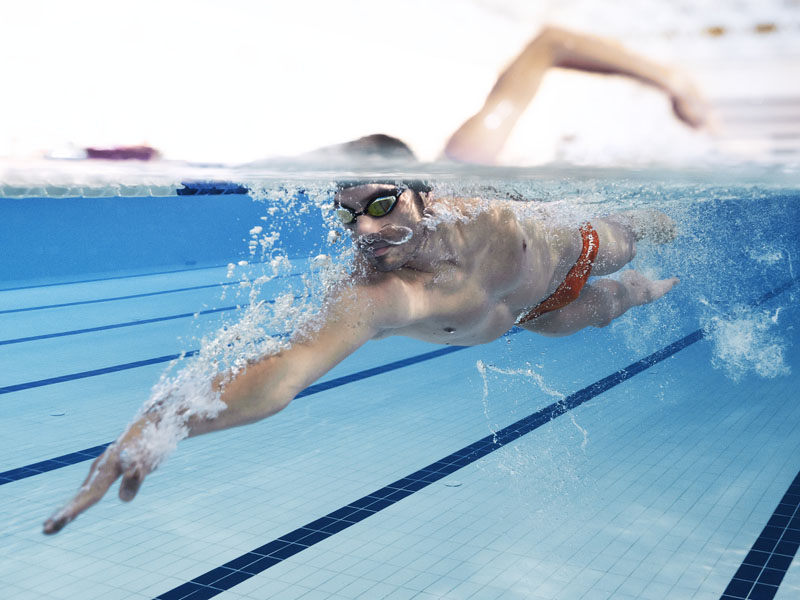
The fingertip drag is another one I hammer regularly. As your arm recovers, you drag your fingertips along the water surface. This keeps your elbow high and prevents that chicken-wing recovery that wrecks your balance.
It looks a little goofy at first, but stick with it. After twenty or thirty lengths, your recovery starts feeling lighter and more controlled. That's huge for long swims because a messy recovery wastes energy and throws off your rhythm. I like mixing this with regular freestyle so the good position carries over naturally.
Single-Arm Freestyle to Balance Your Stroke
Swimming with one arm at a time might feel awkward, but it's gold for long-distance. It lets you zero in on each side separately and fixes imbalances that creep in over miles.
Keep the non-pulling arm extended forward or at your side depending on your level. Breathe on the pulling side and really focus on the underwater pull. I usually do 50s or 100s alternating arms. By the end of a set, both sides feel more even. That balance pays off big when you're swimming an hour or more straight.
Kick on Side for Better Body Position
A lot of distance swimmers ignore their kick, but it matters. The kick-on-side drill helps you stay rotated and streamlined. You kick on one side with one arm extended and the other at your hip, then switch.
Breathe by rolling just enough to get air without lifting your head. This builds core strength and teaches you to swim tall in the water. I throw these in during warm-ups or as active recovery. Over time your whole body sits higher and you slice through the water with less drag. Simple but effective.
Incorporating Breathing Rhythm Drills
Breathing can mess you up fast on long swims. I like the 3-5-7 breathing pattern drill where you change your breathing side every few strokes. It forces you to get comfortable breathing on both sides and keeps you from cranking your neck too much.
Start with shorter patterns and build up. The goal is relaxed, rhythmic breathing that doesn't interrupt your flow. When you're out in open water for an hour-plus, being able to breathe wherever the waves allow makes a massive difference. No more panicking when one side gets choppy.
Pull Buoy Work to Isolate Upper Body
Sometimes you need to take the legs out of it to focus purely on arm pull and rotation. Grab a pull buoy between your thighs and swim freestyle. It helps you feel the connection between your catch, pull, and body roll.
I do longer pull sets when I'm building endurance. The buoy keeps your hips up so you can concentrate on efficient pulling without worrying about sinking legs. Just don't rely on it every session or your kick will get lazy. Mix it in smartly and you'll notice cleaner, more powerful strokes.
Underwater Dolphin Kicks Off the Wall
This one builds explosive power and lung capacity. Push off the wall and the dolphin kicks underwater as far as you can on each length. It strengthens your core and teaches better streamline position.
For distance swimmers, that initial push sets the tone for the whole lap. Do a set of 8x25s with plenty of rest at first. As you improve, you go farther underwater each time. It translates to better breakouts and overall body awareness in the water.
Sculling Drills for Feel of the Water
Sculling is one of those old-school drills that still works great. Small figure-eight hand movements while floating or moving slowly. It sharpens your sense of how your hands interact with the water.
I use it as a recovery set or between harder efforts. You start feeling the pressure on your palms and forearms better, which improves your catch during normal swimming. Distance swimming rewards that fine-tuned feeling more than anything else.
Putting It All Together in Main Sets
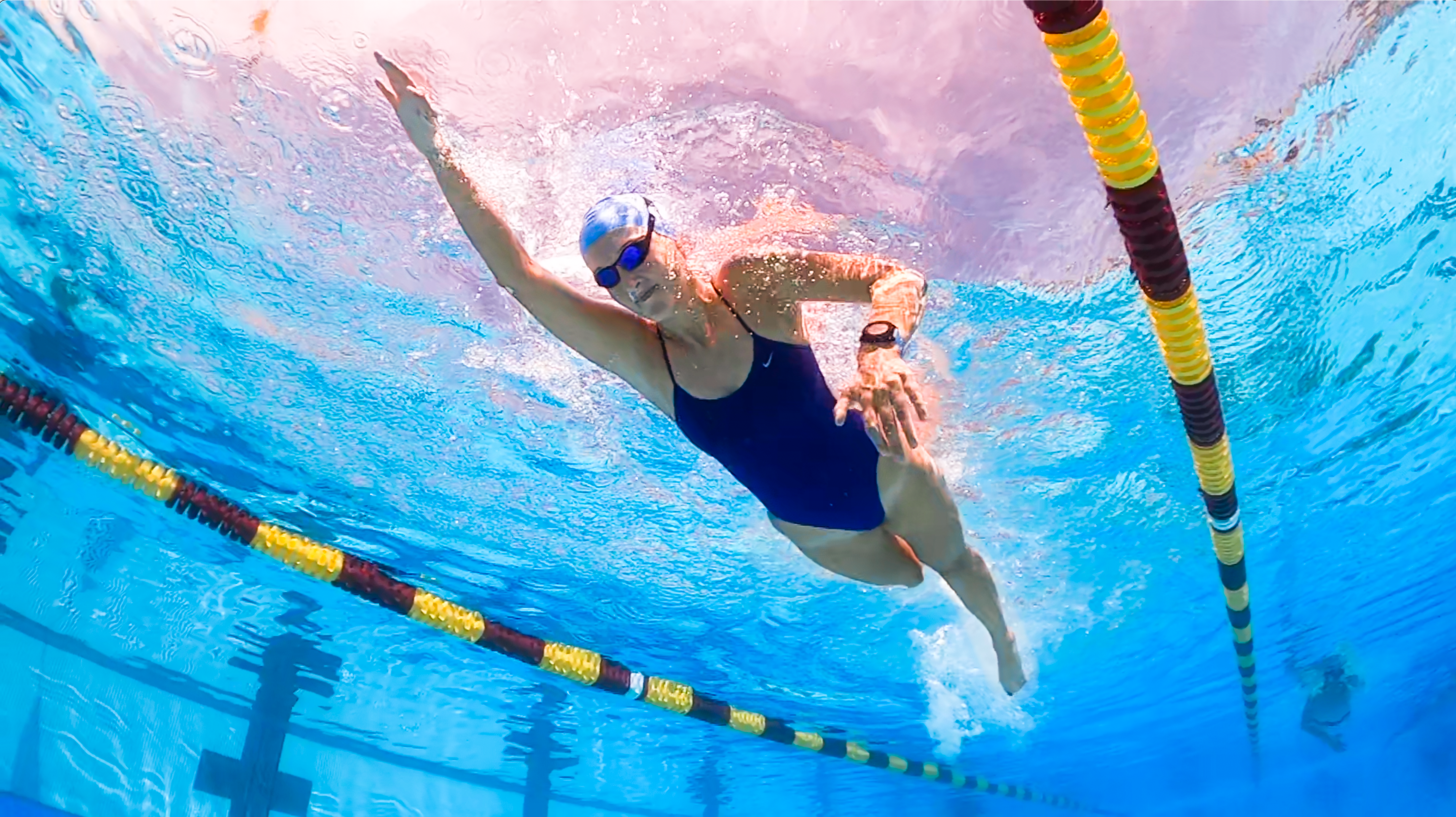
Once you've spent time on individual drills, mix them into longer continuous swims. For example, do 100 drills, 100 swims, repeat. This bridges the gap between perfect technique and real endurance swimming.
I keep these sessions varied so I don't get bored. Some days more drill, others more volume. The key is consistency over weeks and months. That's when you start seeing those long swims feel easier and faster.
Conclusion
Putting in the work with these best freestyle swimming drills will seriously improve swimming performance over time. You won't become an overnight champion, but you'll feel stronger, more efficient, and way less beat up after long sessions. Stick with it, stay patient, and the water starts working with you instead of against you.

 Arabic
 French
 Spanish
 Portuguese
 Deutsch
 Turkish
 Dutch
Dutch
 Italiano
 Russian
 Romaian
 Portuguese (Brazil)
 Greek
Greek