
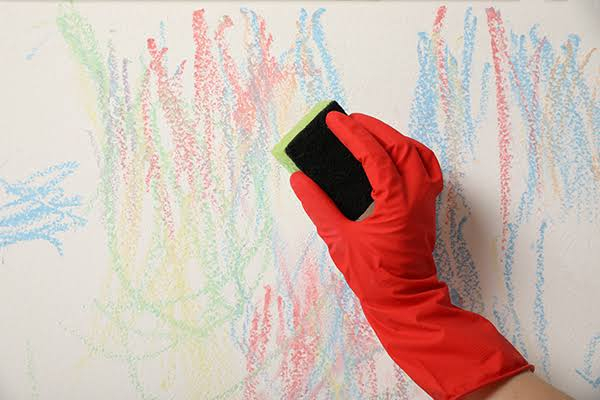
Keeping your painted walls clean and well-maintained extends their life and beauty. Regular maintenance prevents dirt buildup and keeps colors looking fresh. Understanding proper cleaning techniques protects your paint investment. Simple daily habits make a significant difference in wall appearance.
Dusting Regularly
Dust accumulation dulls paint colors over time. Regular dusting removes particles before they become embedded. Use a microfiber cloth or duster for gentle cleaning. Start at the top of walls and work downward. Ceilings and corners need regular dusting too. Consistent dusting prevents stubborn buildup that requires scrubbing.
Spot Cleaning Stains
Address stains promptly before they set permanently. Use a soft cloth dampened with mild soap and water. Wipe gently to avoid damaging the paint finish. Blot stains rather than rubbing to prevent spreading. Professional painters recommend this gentle approach for most stains. Different finishes require different cleaning techniques.
Choosing the Right Cleaner
Different paint finishes require different cleaning approaches. Flat finishes need gentle cleaning with mild soap and water. Eggshell and satin finishes can handle slightly more cleaning. Semi-gloss and gloss finishes tolerate more vigorous cleaning. Professional painters can recommend appropriate cleaners for your specific paint.
Gentle Cleaning Techniques
Use soft cloths or sponges to clean painted walls. Avoid abrasive scrubbers that damage paint surfaces. Test cleaning solutions on an inconspicuous area first. Use gentle circular motions for even cleaning. Rinse with clean water and dry with a soft cloth. Proper technique prevents damage while removing dirt effectively.
Handling Specific Stains
Different stains require different treatment approaches. Grease stains need degreasers specifically for painted surfaces. Crayon marks can be removed with baking soda paste. Scuff marks often clean up with an eraser sponge. Professional painters can recommend solutions for stubborn stains.
Avoid Harsh Chemicals
Harsh chemicals damage paint finishes and cause fading. Avoid bleach, ammonia, or abrasive cleaners. These products strip protective layers and degrade color. Professional painters recommend gentle, pH-neutral cleaners. Protecting your paint means using appropriate cleaning products.
Cleaning High-Touch Areas
High-touch areas need more frequent cleaning attention. Light switches, door frames, and corners collect dirt quickly. Kitchen walls near cooking areas need regular degreasing. Bathroom walls need occasional mildew prevention. Professional painters recommend regular cleaning of these high-traffic zones.
Proper Paint Maintenance
Regular inspection helps identify issues early. Check for peeling, cracking, or bubbling paint. Address moisture issues that cause paint failure. Touch up minor damage before it spreads. When you learn About Dillinger Painting, you discover a company that provides guidance on long-term paint maintenance.
When to Repaint
Knowing when to repaint saves time and money. Fading color indicates UV damage requiring attention. Peeling or cracking signals deeper problems. Stubborn stains that won't clean indicate the need for fresh paint. Professional painters assess your walls and recommend optimal repainting timelines.
Professional Help
Professional painters offer maintenance services for your painted surfaces. They can address issues you might miss during regular inspection. Regular professional check-ups extend paint life significantly. Professional guidance helps you maintain beautiful walls for years to come.
Conclusion
Regular cleaning and maintenance keep painted walls looking fresh and beautiful. Simple dusting and spot cleaning prevent dirt buildup. Professional painters provide guidance on proper cleaning techniques and maintenance schedules. With consistent care, your paint investment lasts longer and looks better.

 Arabic
 French
 Spanish
 Portuguese
 Deutsch
 Turkish
 Dutch
Dutch
 Italiano
 Russian
 Romaian
 Portuguese (Brazil)
 Greek
Greek