
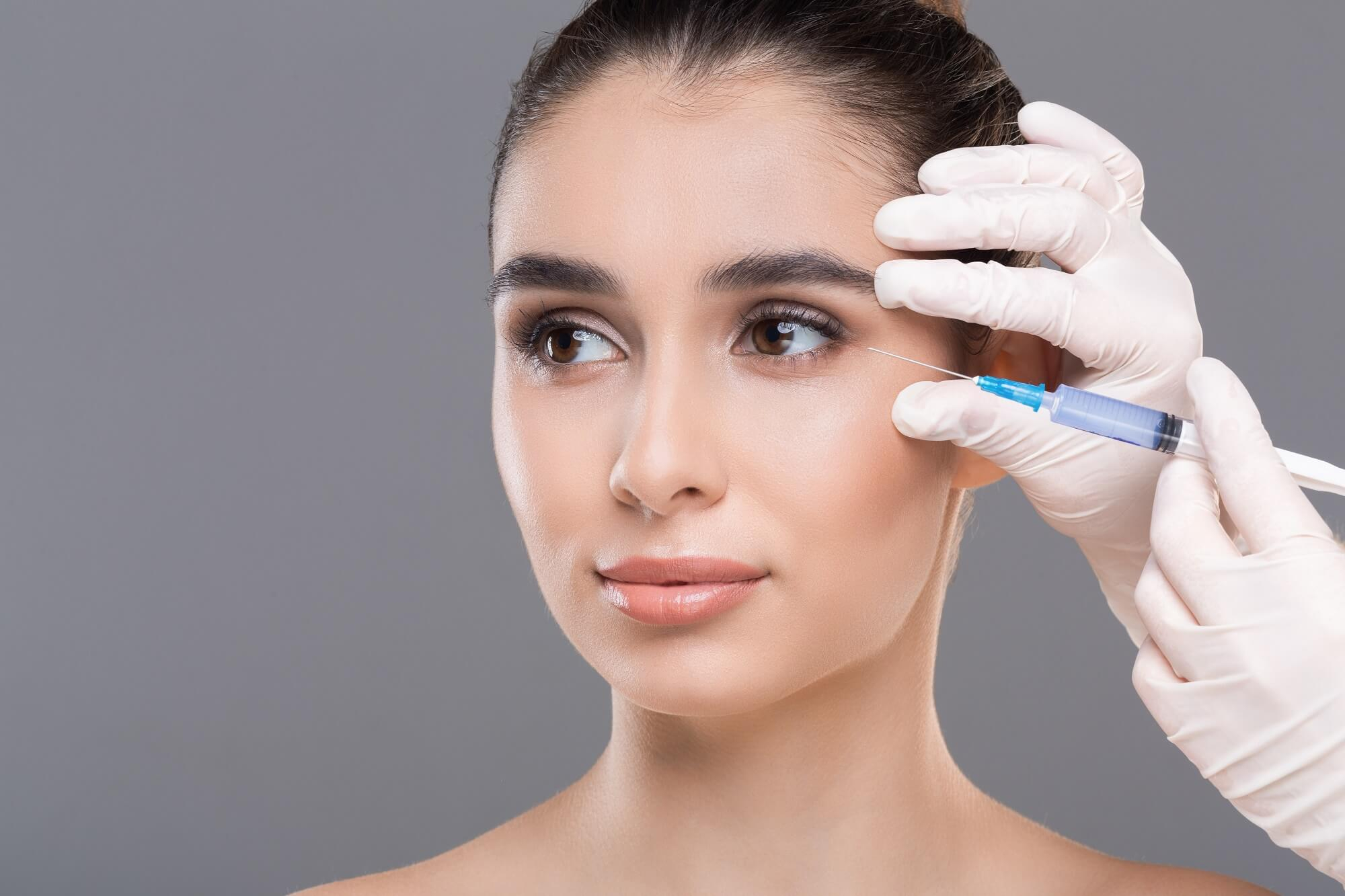
Facial Botox injections in Dubai may be considered by adults at different stages of life when expression lines become a noticeable aesthetic concern. However, age alone does not determine whether Botox is appropriate. Facial movement, skin condition, wrinkle development, personal goals, and realistic expectations all play a role in deciding whether this treatment may be suitable.
Is There a Perfect Age for Botox?
There is no universal age at which everyone should begin Botox.
People develop facial lines at different rates. Genetics, facial expressions, sun exposure, skin characteristics, lifestyle, and natural aging can all influence when wrinkles become noticeable.
Some adults may become concerned about dynamic lines earlier, while others may not consider treatment until later.
Rather than focusing on a specific number, it is more useful to consider the type of wrinkle and the reason it has developed.
Facial Botox in Early Adulthood
Younger adults may notice expression lines when making certain facial movements.
Forehead creases, frown lines, or fine lines around the eyes may appear temporarily during expressions before becoming noticeable at rest.
At this stage, the primary concern may be preventing lines from becoming increasingly prominent rather than correcting deeply established wrinkles.
However, treatment should never be based simply on age or social trends. There should be a clear aesthetic reason for considering it.
Understanding Early Expression Lines
Dynamic wrinkles can appear before permanent facial aging becomes obvious.
Frequent eyebrow raising, squinting, or frowning can create repetitive folds in the skin.
When the face is relaxed, these lines may disappear completely.
Facial Botox injections in Dubai can be relevant when muscle activity is the main contributor to the visible concern.
Botox During the 30s
During the 30s, some people begin noticing that expression lines do not disappear as quickly as they once did.
Fine forehead lines may become more noticeable, while frown lines or crow’s feet can remain visible after an expression ends.
This can occur as collagen production and skin elasticity gradually change.
At this stage, some adults consider Botox to soften dynamic lines and maintain a smoother appearance.
The Importance of Skin Quality
Age-related facial changes are not caused by muscle movement alone.
Sun exposure, hydration, collagen levels, pigmentation, and skin texture also influence how the face looks.
This means Botox may address only one component of facial aging.
A good skincare routine remains valuable regardless of whether Botox is being considered.
Botox During the 40s
In the 40s, expression lines may become more established.
Some wrinkles that were previously visible only during movement may begin to remain noticeable when the face is relaxed.
Botox can still reduce the muscle activity contributing to dynamic wrinkles, but the visual improvement may differ from that seen in someone with very fine lines.
Realistic expectations become increasingly important as the skin undergoes natural structural changes.
Why Deeper Lines Can Respond Differently
When a wrinkle has been present for many years, repeated folding may contribute to changes within the skin itself.
Reducing muscle activity can help prevent repeated contraction and soften the expression-related component.
However, the remaining crease may not disappear completely.
This is why Botox should not be viewed as a treatment that reverses every aspect of facial aging.
Botox During the 50s and Beyond
Adults in their 50s and later may consider Botox for dynamic facial wrinkles while also experiencing other signs of aging.
These can include reduced skin elasticity, volume changes, pigmentation, and texture concerns.
Botox may still be useful when muscle activity contributes to forehead lines, frown lines, or selected wrinkles around the eyes.
However, it may represent only one part of a broader facial rejuvenation strategy.
What Changes With Age?
The primary difference is often the combination of factors contributing to visible aging.
Earlier expression lines may be strongly associated with muscle movement.
Later facial changes may involve a combination of muscle activity, collagen loss, skin thinning, volume changes, and reduced elasticity.
Understanding these differences helps explain why the same treatment may create different visible outcomes at different ages.
Why Facial Anatomy Matters More Than Age
Two people of the same age can have very different facial characteristics.
One person may have strong forehead movement and relatively few static lines, while another may have deeper wrinkles and reduced skin elasticity.
Treatment planning should therefore focus on individual anatomy and concerns rather than applying an age-based formula.
Lifestyle Can Influence Visible Aging
Lifestyle factors can contribute to how quickly facial aging becomes noticeable.
Long-term sun exposure, smoking, inadequate sleep, chronic stress, and inconsistent skincare may influence skin quality.
Sun protection is especially important because ultraviolet exposure contributes to premature skin aging.
Healthy habits can support overall skin health regardless of whether cosmetic treatment is chosen.
Preventive Botox: What Does It Mean?
The term “preventive Botox” is sometimes used to describe treatment performed before wrinkles become deeply established.
The concept is based on reducing repeated muscle movement in areas prone to dynamic lines.
However, Botox is not a guarantee that wrinkles will never develop.
Natural aging continues, and multiple factors influence the appearance of the skin.
Should Everyone Start Botox Early?
No.
Starting treatment simply because someone else is receiving Botox is not a sufficient reason.
If expression lines are not a concern, treatment may not be necessary.
Cosmetic procedures should be considered according to personal preferences and individual circumstances rather than social pressure or assumptions about a particular age.
How Expectations Change With Age
Someone with early dynamic lines may expect significant smoothing because the skin still has relatively good elasticity.
Someone with deeper static wrinkles may need to understand that Botox can reduce muscle activity without completely removing established skin creases.
The treatment goal should therefore be realistic for the condition being addressed.
Combining Botox With Good Skin Habits
Regardless of age, skin health remains important.
Daily sunscreen, appropriate moisturization, gentle cleansing, balanced nutrition, adequate hydration, and sufficient sleep can support healthier-looking skin.
These habits do not replace Botox, but they can complement an overall facial rejuvenation approach.
When Should You Consider Botox?
Rather than asking whether you are the “right age,” consider whether you have a specific concern that Botox is designed to address.
Ask whether the lines are mainly caused by facial movement, whether they affect your confidence, and whether your expectations are realistic.
Relevant health factors and previous cosmetic treatments should also be considered before proceeding.
Final Thoughts
Facial Botox injections in Dubai can be considered at different stages of adulthood, but there is no universal age that determines when treatment should begin. The type of wrinkles, facial movement, skin condition, personal goals, and realistic expectations are more meaningful factors than age alone. Understanding how facial aging changes over time can help you decide whether Botox is appropriate for your individual concerns. If you are exploring facial rejuvenation options at any stage of adulthood, TAJMEELS CLINIC can be considered as part of your research.

 Arabic
 French
 Spanish
 Portuguese
 Deutsch
 Turkish
 Dutch
Dutch
 Italiano
 Russian
 Romaian
 Portuguese (Brazil)
 Greek
Greek