
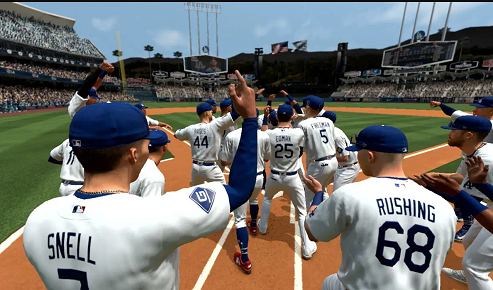
MLB The Show 26 does not throw away the formula that longtime players know, and that is probably the right call. The familiar pitching, hitting, and fielding rhythm is still there, but a few new systems change what happens when a game gets tight. Bear Down Pitching gives mound decisions more weight, Big Zone Hitting offers a less demanding way to control the plate, and ABS puts extra focus on borderline calls. If you are building a Diamond Dynasty roster, managing your MLB 26 Stubs, or just playing quick games after work, these additions are worth understanding because they affect the little choices that often decide a result.
Bear Down Adds Pressure to Pitch Selection
Bear Down Pitching is the feature you will notice most during close games. It gives you a limited resource that can be saved for a difficult situation, such as facing a strong slugger with runners on second and third. You can pitch as normal, of course. Sometimes that is the sensible move. But when the count is full and one mistake could bring two runs home, using Bear Down may give you a better chance to execute the pitch you actually want.
The system does not remove the need for good judgement. You still have to read the batter, choose a sensible location, and get your timing right. A poor pitch can still be punished. That is what makes the feature feel useful rather than excessive. It gives you another decision, not a free escape from trouble.
You will also have to think about when to hold the resource. Spending it in the third inning against a decent hitter might feel tempting, especially in a ranked game, but the ninth inning could bring a much bigger test. That small bit of restraint becomes part of pitching well. Players who normally rush through at-bats may find themselves slowing down and considering the wider game state.
Big Zone Hitting Lowers the Entry Barrier
Traditional Zone hitting can be rewarding, but it asks a lot from your hands and your eyes. Moving the PCI into the right spot takes practice. Doing it while reading pitch speed, break, and location is another matter altogether. Big Zone Hitting gives players a broader control method, which should make the first few hours with the game less frustrating.
That wider approach does not turn every swing into a hard-hit ball. You still need to recognise whether the pitch is a fastball or an off-speed offering. You still need to decide whether it is worth swinging at all. Timing remains important, too. A hitter who guesses badly or reacts late will still produce weak contact, even with more room to work.
For newer players, this could be the setting that keeps them playing instead of putting the controller down after a few rough innings. More experienced hitters may stick with standard Zone because it gives them finer control and a higher performance ceiling. Neither choice feels wrong. Big Zone works best as another route into the game, not as a replacement for the established option.
ABS Changes the Feel of Close Counts
ABS affects the strike zone rather than the way you move the bat or throw the ball. Its influence becomes clear on pitches that catch the edge. In a two-two count, a ball that appears to nick the corner can change the entire at-bat. With ABS handling those decisions, such moments take on a slightly different character from games where every call rests with the home-plate umpire.
There is a practical side to this system. It can make results feel more consistent, particularly for players who dislike seeing similar pitches receive different calls from inning to inning. At the same time, the system can make close counts feel tense because you cannot simply assume that a pitch near the border will receive the call you want.
ABS is not as hands-on as Bear Down or Big Zone. You will not be changing your pitching motion or batting approach every second because of it. Its effect is quieter. Still, it adds another layer to late-inning baseball, where one extra ball or strike can shape the next three batters.
How the Three Systems Fit Together
The strongest part of this update is that each feature has a separate job. Bear Down is about resource management and pitching under pressure. Big Zone is about giving hitters another way to handle the plate. ABS is about the uncertainty and tension around the edges of the zone. They do not all appeal to the same player, which is helpful.
That separation also keeps MLB The Show 26 from feeling like a completely different game. A veteran can keep using familiar controls and still understand what is happening. A newer player can choose a more comfortable hitting setup without feeling pushed into a single style. In Diamond Dynasty, this matters because a highly rated lineup will not fix poor pitch recognition or rushed decisions. Learning the systems can improve your results just as much as adding a better card.
Final Thoughts
MLB The Show 26 feels like a careful step forward rather than a total rebuild. Bear Down Pitching is the most important addition because it gives tense at-bats more planning and makes resource management part of the mound battle. Big Zone Hitting should help casual players settle in, while experienced hitters can keep the sharper control of standard Zone. ABS has a smaller direct effect, but it makes borderline pitches matter when the count is tight. Taken together, the features add variety without taking away the identity of the series. If you are spending time improving your roster and deciding whether MLB 26 Stubs for sale fit your plans, remember that learning these mechanics will still have the biggest effect on how your team performs.

 Arabic
 French
 Spanish
 Portuguese
 Deutsch
 Turkish
 Dutch
Dutch
 Italiano
 Russian
 Romaian
 Portuguese (Brazil)
 Greek
Greek