
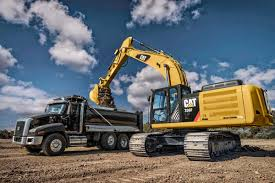
Trailers play an essential role across various industries and everyday applications. Whether hauling commercial goods, transporting construction equipment, moving livestock, or supporting recreational activities, trailers must remain in dependable working condition to perform safely and efficiently. Proper upkeep not only preserves the longevity of the equipment but also protects drivers, cargo, and other motorists on the road. Many accidents and costly breakdowns can be prevented by ensuring trailers receive the attention they need through consistent inspections and essential care routines.
Importance of Regular Trailer Upkeep
Trailer maintenance is a critical aspect of responsible equipment ownership. Unlike motor vehicles that have built-in engines generating power, trailers rely entirely on towing vehicles for movement and braking. This means any malfunction in tires, brakes, axles, lighting, or hitch systems can lead to hazardous situations. Regular upkeep helps keep these vital components in optimal condition, preventing failures that could cause trailer sway, cargo damage, or roadside emergencies. By addressing early signs of wear and tear, operators reduce operational downtime and avoid expensive repairs later.
Trailers are exposed to a wide range of conditions such as shifting loads, rough terrain, and unpredictable weather. Over time, these impacts contribute to parts loosening, rust forming, and alignment issues. When inspections are skipped, issues escalate quietly until a sudden breakdown occurs. Therefore, preventive maintenance is not optional; it is a necessary investment in operational safety and cost efficiency.
Tire Health and Load Support
Tires are among the most important parts of a trailer. They support heavy loads and endure constant friction and road hazards. Checking tire pressure before every use helps prevent blowouts and ensures proper weight distribution. Underinflated tires increase rolling resistance, causing unnecessary heat buildup and faster deterioration. Overinflated tires, on the other hand, reduce road grip and increase the risk of uneven wear. Maintaining correct pressure maximizes fuel efficiency and load stability.
Tread depth inspections are equally vital. Worn-out tires lose traction and become more vulnerable to punctures. Trailer owners should rotate tires regularly, replace any showing cracks or bulges, and ensure the lug nuts are tightened properly. Additionally, spare tires must be kept in ready-to-use condition. A trailer stranded on the highway with a damaged tire and no backup can quickly escalate into a costly and time-consuming ordeal.
Braking System Performance
Since trailers depend heavily on braking systems for stopping power, ensuring their proper function is essential. Electric brakes, surge brakes, and hydraulic systems must all be tested frequently. Wiring issues, corroded connectors, or damaged brake pads can reduce braking efficiency, increasing stopping distances and risking collisions. Brake fluid should be checked and replaced when necessary to prevent leaks or contamination.
Brake controllers installed in towing vehicles also require tuning to match the trailer’s weight. When configured incorrectly, they can create excessive strain on either the towing vehicle or the trailer brakes. Consistent inspections help ensure braking systems respond accurately, keeping both equipment and cargo protected during travel.
Hitch and Coupling System Safety
The hitch connection is a critical lifeline between the vehicle and the trailer. If any part of the coupling system fails, the trailer may detach while in motion, leading to severe accidents. Inspecting the hitch ball, coupler latch, safety chains, and mounting hardware is essential before every trip. Lubricating moving parts prevents rust and allows smooth operation, while checking for cracks or deformities ensures structural integrity.
Safety chains must be crossed under the coupler and secured properly in case the hitch becomes disconnected unexpectedly. This redundancy helps keep the trailer attached long enough for the driver to regain control and safely stop. Additionally, ensuring the right hitch class is used for the trailer’s weight rating helps prevent overloading and reduces strain on towing components.
Lighting and Electrical Components
Proper visibility on the road is necessary to prevent collisions and keep other drivers aware of braking and turning intentions. Trailer lights often fail due to wiring exposure, moisture infiltration, or loose connections. Routine testing of brake lights, turn signals, running lights, and reflectors ensures compliance with roadway laws and enhances safety during night or adverse weather conditions.
Corrosion is one of the most common causes of lighting issues, especially when trailers operate in areas with high humidity or salted roads. Sealed harnesses, dielectric grease application, and protective coverings help extend electrical system lifespan. Replacing burned-out bulbs or damaged connectors promptly ensures consistent performance.
Axles, Suspension, and Frame Care
Trailers experience a significant amount of stress as they carry heavy loads over rough ground. The suspension system absorbs many of these impacts and must remain in good shape to provide stability. Inspecting leaf springs, bolts, and suspension brackets for cracks or excessive wear helps avoid structural failures. Lubricating pivot points prolongs part life and improves smoothness during travel.
Axles must be aligned correctly to prevent uneven tire wear and handling difficulties. Wheel bearings should be greased regularly and inspected for looseness. Neglected bearings can overheat and seize during travel, causing expensive damage and dangerous roadside situations. The trailer frame should also be checked for signs of rust or weakening. Reinforcing damaged areas early helps maintain strength and load-carrying capability.
Cleanliness and Corrosion Prevention
Keeping trailers clean is more important than many owners realize. Dirt, chemicals, and road salt cling to surfaces and accelerate corrosion. Washing the trailer thoroughly after trips, especially during winter or agricultural operations, helps preserve structural integrity. Applying protective coatings or paint can further shield metal components from rust.
Flooring inside enclosed trailers should also be cleaned frequently. Moisture and waste buildup can weaken the floor surface over time, especially when transporting livestock or heavy equipment. Maintaining a dry and clean interior prevents decay and enhances overall hygiene.
Documentation and Scheduled Servicing
Keeping records of inspections, repairs, and part replacements makes maintenance planning easier and ensures no task is overlooked. Many manufacturers provide recommended servicing intervals that should be followed closely for optimal performance. For commercial operators, maintenance documentation is often required for regulatory compliance.
Professional servicing by qualified technicians can identify issues that may not be visible to the untrained eye. Investing in expert evaluations periodically provides peace of mind that the trailer is structurally sound and roadworthy.
Conclusion
Proactive care is the key to preventing breakdowns and extending the lifespan of trailers used for personal, professional, or industrial needs. Every component, from tires and brakes to wiring and suspension, plays a vital role in overall performance and transport safety. With regular inspections, early repairs, and proper cleaning and lubrication practices, trailer owners can ensure safer journeys, protect valuable cargo, and reduce long-term operational costs. Prioritizing trailer upkeep is an investment that delivers long-term value and helps maintain efficiency on every trip.

 Arabic
 French
 Spanish
 Portuguese
 Deutsch
 Turkish
 Dutch
Dutch
 Italiano
 Russian
 Romaian
 Portuguese (Brazil)
 Greek
Greek