
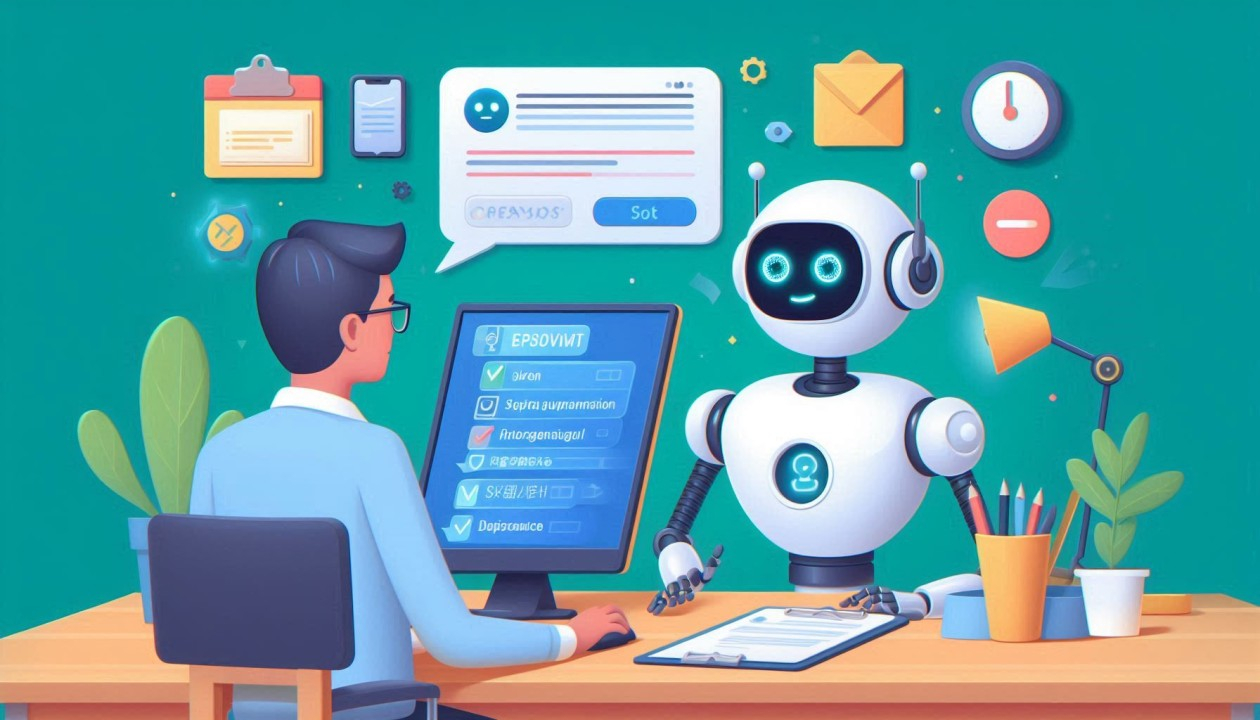
The world of technical hiring is changing fast — and AI is leading the transformation. Traditional interviews, where candidates were judged by a panel of engineers asking algorithmic puzzles, are being replaced by AI-driven interview platforms that assess real-world skills, fairness, and efficiency.
In 2025, companies like Google, Amazon, and Microsoft are actively experimenting with AI-based assessments to streamline technical evaluations and reduce human bias. But what exactly is changing, and how should software engineers prepare for this new era?
Let’s dive deep 👇
🔍 The Old vs. The New: How AI Is Changing the Interview Landscape
The Traditional Interview Model
For years, technical interviews followed a predictable structure:
-
Whiteboard coding or online code challenges
-
One-on-one problem-solving rounds
-
System design interviews
-
Final culture-fit or behavioral rounds
While effective to some extent, this model had issues:
-
Human bias in evaluation
-
Inconsistency in interviewer expectations
-
Stress-induced errors that didn’t reflect true capability
-
Time inefficiency, both for candidates and companies
The AI-Driven Interview Model
Now, AI has entered the picture.
Modern AI interview tools — powered by NLP, computer vision, and deep learning — evaluate candidates more objectively.
They analyze:
-
Coding efficiency and logic structure
-
Real-time problem-solving approaches
-
Code readability and optimization
-
Communication and collaboration abilities (through AI-pair programming simulations)
The result? A standardized, unbiased, and skill-centric evaluation system.
🧠 Key Ways AI Is Transforming Technical Interviews
1. Automated Code Evaluation
AI tools like CodeSignal, HackerRank AI Proctor, and Interview Sidekick analyze code beyond correctness.
They examine:
-
Algorithmic complexity
-
Time-space tradeoffs
-
Reusability and design patterns
-
Refactoring skills
Instead of just passing/failing test cases, the system evaluates how you think through a problem.
2. AI-Powered Pair Programming
Platforms are introducing AI interview bots that act as mock teammates.
These bots test:
-
Your ability to collaborate on complex codebases
-
How you respond to feedback or suggestions
-
Whether you can debug efficiently in a shared environment
It’s as close to a real engineering sprint as you can get — and companies love it because it reveals behavioral and technical aptitude in one go.
3. Bias-Free Assessment
AI reduces subjectivity in evaluations.
By focusing on quantifiable metrics — logic accuracy, solution clarity, and speed — it eliminates unconscious bias related to gender, accent, or educational background.
Recruiters now rely on AI-generated skill profiles that rank candidates based on performance data rather than gut instinct.
4. Realistic, Project-Based Interviews
Instead of hypothetical puzzles, AI systems now generate domain-specific coding projects.
For example:
-
A backend developer might design an API system with live traffic simulation.
-
A frontend engineer might build a dynamic React dashboard under time constraints.
These real-world scenarios give a truer sense of how candidates perform in actual work settings.
5. Instant Feedback and Continuous Learning
AI interview assistants provide detailed performance analytics right after your session:
-
Coding style and structure score
-
Areas of improvement
-
Behavioral pattern feedback
Candidates no longer have to wait weeks for a recruiter’s reply — they get instant, actionable insights to refine their skills.
⚙️ The Tech Behind AI-Driven Interviews
AI interview systems use a combination of technologies:
-
Natural Language Processing (NLP): to interpret verbal communication and detect confidence, clarity, and intent.
-
Computer Vision: to analyze facial expressions, engagement, and focus (especially in video interviews).
-
Machine Learning Models: to predict success probabilities based on performance datasets.
-
Speech Recognition: to measure fluency and communication patterns.
Together, these tools form a data-driven intelligence layer that objectively evaluates each aspect of the interview.
📊 Benefits for Employers
AI interviewing doesn’t just help candidates — it’s a massive efficiency boost for recruiters too.
| Benefit | Description |
|---|---|
| Scalability | Companies can screen thousands of candidates simultaneously. |
| Consistency | Every applicant faces the same structured assessment. |
| Reduced Bias | Evaluations are purely data-driven, not opinion-based. |
| Faster Hiring | Automated scoring shortens hiring cycles significantly. |
| Deep Insights | AI dashboards provide candidate analytics and skill maps. |
💡 How Software Engineers Can Prepare
-
Practice on AI-driven platforms – Use tools like Interview Sidekick or CodeSignal to get familiar with AI-style questions and feedback.
-
Focus on explainability – AI systems assess clarity of thought as much as code quality.
-
Build complete solutions – Partial answers don’t score well with AI.
-
Simulate real-world coding tasks – Create APIs, optimize SQL queries, or debug existing code.
-
Review analytics reports – Understand your weak points and iterate.
🚀 The Future of Technical Interviews
In the next few years, expect interviews to become fully adaptive — meaning the difficulty and type of questions adjust dynamically to your performance in real time.
Some companies are already piloting AI interviewers that can:
-
Generate personalized coding problems
-
Adjust hints and difficulty based on progress
-
Provide sentiment analysis on responses
-
Predict role fit through behavioral data
This approach could make interviews shorter, smarter, and more predictive of real job success.
🧩 Ethical Considerations
While AI brings efficiency, it also raises important questions:
-
How is candidate data stored and used?
-
Can AI truly eliminate bias, or just shift it to algorithms?
-
Should there always be a human in the final decision loop?
Ethical frameworks are being developed to ensure transparency, consent, and fairness — crucial as AI becomes a gatekeeper for millions of job opportunities.
🔚 Conclusion
AI isn’t replacing interviews — it’s elevating them.
By removing bias, improving efficiency, and offering personalized feedback, AI is helping both sides of the table make smarter choices.
For software engineers, the takeaway is clear:
The key to succeeding in AI-driven interviews lies not in rote memorization but in showing how you think, code, and collaborate.
Those who adapt early will stand out in a hiring world that’s more data-informed, fair, and skill-focused than ever before.

 Arabic
 French
 Spanish
 Portuguese
 Deutsch
 Turkish
 Dutch
Dutch
 Italiano
 Russian
 Romaian
 Portuguese (Brazil)
 Greek
Greek