
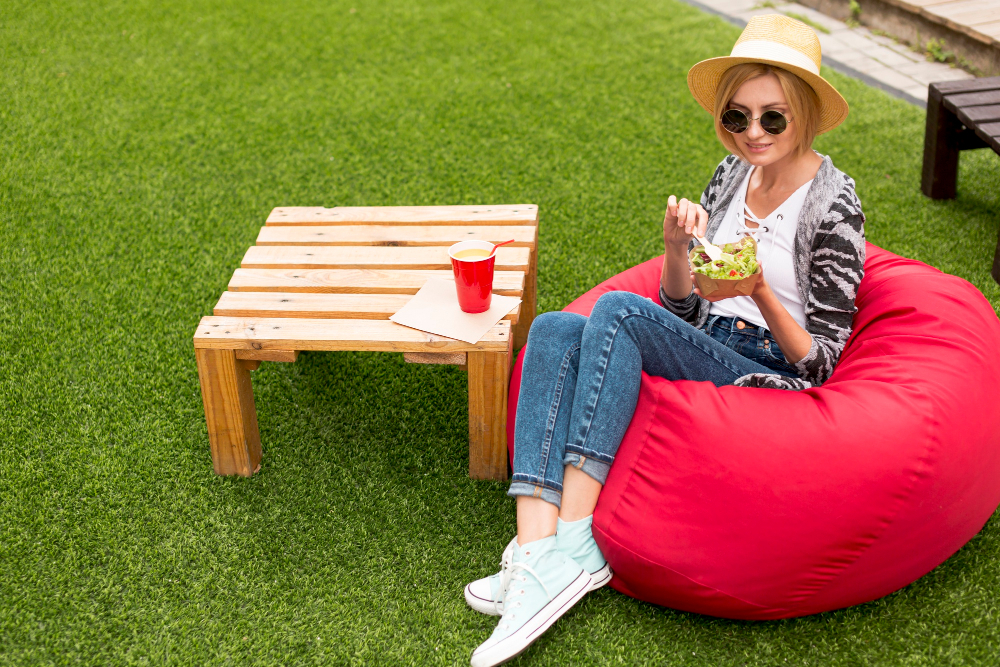
The debate between artificial grass and natural lawns has been growing in recent years as homeowners, businesses, and municipalities seek ways to create lush, green landscapes that are sustainable, low-maintenance, and cost-effective. While both options provide an aesthetic appeal, each comes with its own set of pros and cons. Understanding the differences between artificial grass and natural lawns can help you make an informed decision based on your needs, location, and long-term goals.
In this article, we’ll explore the key factors to consider when deciding between artificial grass and natural lawns, including maintenance, cost, environmental impact, and durability.
1. Maintenance Requirements
Natural Lawn:
Natural grass requires a fair amount of maintenance to keep it healthy, green, and well-groomed. Regular care is essential, and the time and effort involved can add up quickly.
-
Mowing: One of the most significant ongoing tasks with natural grass is mowing. Most lawns need to be mowed once a week during the growing season, which requires time, effort, and energy. Additionally, grass clippings can create a mess if not properly disposed of.
-
Watering: Natural lawns require a considerable amount of water to remain healthy, especially during the hot summer months. In regions with limited rainfall, homeowners often rely on irrigation systems to keep the grass hydrated. This can lead to higher water bills and contribute to water wastage.
-
Fertilizing and Aerating: To promote healthy growth, natural lawns require regular fertilizing, which can be costly and time-consuming. Aerating the soil is also necessary to ensure that water, air, and nutrients can reach the grassroots, particularly in compacted soil.
-
Weeding and Pest Control: Weeds can quickly take over a natural lawn, competing with grass for nutrients, water, and sunlight. Regular weeding and the use of pesticides may be necessary to prevent infestations of pests and insects.
Artificial Grass:
Artificial grass, on the other hand, is designed to require minimal upkeep. Once installed, it is virtually maintenance-free, offering a hassle-free alternative to natural lawns.
-
No Mowing: Artificial grass doesn’t need to be mowed, saving time and effort. You won’t need to deal with the noise or cost of maintaining a lawnmower.
-
No Watering: One of the major advantages of artificial grass is that it doesn’t require watering, which helps conserve water and reduces water bills, especially in drought-prone areas.
-
No Fertilizing or Pest Control: Since artificial grass doesn’t grow, it doesn’t need fertilizers or pesticides. This is a major benefit for homeowners with pets or young children, as it eliminates the risk of exposing them to harmful chemicals.
-
Occasional Cleaning: While artificial grass doesn’t need frequent maintenance, it may require periodic cleaning. Over time, leaves, dirt, and debris can accumulate on the surface, and the grass may need to be brushed to keep the fibers upright. Some products may also require infill replenishing to maintain softness and durability.
2. Cost Considerations
Natural Lawn:
While the initial cost of installing a natural lawn is relatively low, the ongoing expenses for maintenance can quickly add up.
-
Installation: Planting natural grass typically requires basic soil preparation, seeding, and watering. The cost is usually much lower than installing artificial grass, especially if you do the work yourself.
-
Ongoing Costs: The biggest cost with a natural lawn is the ongoing maintenance, including water, fertilizer, pesticides, and lawn care services. Depending on the size of your lawn and local water rates, these expenses can increase significantly over time.
-
Repairs: Over the years, patches may develop, especially if the lawn receives heavy foot traffic. Repairing bare spots or reseeding areas is another ongoing cost of maintaining a natural lawn.
Artificial Grass:
Although the initial cost of artificial grass can be higher than installing natural grass, the long-term savings make it an attractive option for many.
-
Installation: Artificial grass installation costs are generally higher due to the materials and labor involved. The process includes preparing the ground, laying down a base layer, installing drainage systems, and placing the turf. Installation costs can vary depending on the size of the area, the type of turf chosen, and whether professional installation is required.
-
Long-Term Savings: After installation, the cost of maintaining artificial grass is minimal. There are no watering, fertilizing, or mowing expenses, and the turf will last for many years with proper care. Over time, artificial grass can save homeowners and businesses a significant amount of money, especially in regions where water is scarce or expensive.
-
Durability and Longevity: With a lifespan of 15-20 years or more, artificial grass is a long-term investment that can save you money over the years. The durability of synthetic turf means that it won’t need frequent repairs or replacements.
3. Environmental Impact
Natural Lawn:
Natural lawns provide several environmental benefits, but they also come with a number of drawbacks that can harm the environment.
-
Carbon Footprint: Lawn care often involves the use of gas-powered lawnmowers, trimmers, and other equipment, all of which contribute to air pollution and a larger carbon footprint.
-
Water Usage: Natural grass requires significant water, especially in dry regions. This can lead to increased water consumption and potentially strain local water resources, particularly in areas facing drought conditions.
-
Pesticides and Fertilizers: Many homeowners use chemical fertilizers and pesticides to maintain a healthy lawn. These chemicals can leach into the soil and water supply, contributing to pollution and harming wildlife and beneficial insects.
Artificial Grass:
While artificial grass eliminates many of the environmental concerns associated with natural lawns, it does come with its own set of environmental considerations.
-
Water Conservation: Artificial grass helps conserve water by eliminating the need for regular irrigation. This is especially beneficial in regions with water scarcity or where conservation efforts are a priority.
-
No Fertilizers or Pesticides: Since artificial grass doesn’t require fertilizers or pesticides, it helps reduce the use of harmful chemicals that can pollute the environment.
-
Manufacturing and Disposal: The production of artificial grass involves the use of synthetic materials, such as polyethylene, polypropylene, or nylon, which are not biodegradable. While some artificial turf manufacturers offer recycling programs, turf disposal can contribute to landfill waste when it eventually needs to be replaced.
4. Durability and Performance
Natural Lawn:
A natural lawn can offer great aesthetic appeal, but it requires consistent care to maintain its beauty and functionality.
-
Wear and Tear: Natural grass can become worn out in areas with heavy foot traffic, resulting in bare patches or bald spots. High-maintenance care is necessary to restore the lawn’s appearance and health.
-
Vulnerability to Weather: Natural lawns can be impacted by extreme weather conditions, such as drought, heavy rain, or frost. Over time, the lawn may need reseeding or other interventions to recover.
-
Pests and Weeds: Natural grass is susceptible to pests, diseases, and weeds, which can compromise its appearance and health. Regular pest control and weed management are necessary to keep the lawn in good condition.
Artificial Grass:
Artificial grass is designed to be highly durable and can withstand a variety of weather conditions and heavy foot traffic.
-
Resilience to Weather: Unlike natural grass, artificial turf is unaffected by extreme weather conditions, such as drought, heavy rain, or frost. It maintains its color and appearance throughout the year, no matter the season.
-
Durable and Low Maintenance: Synthetic turf is built to handle heavy foot traffic and wear without deteriorating or developing bald spots. This makes it an ideal option for high-use areas, such as sports fields, playgrounds, and commercial spaces.
-
No Pests or Weeds: Artificial grass doesn’t attract pests or weeds, making it easier to maintain a clean and aesthetically pleasing surface. The fibers won’t suffer from diseases or fungal infections that can affect natural lawns.
5. Aesthetic Appeal
Natural Lawn:
Natural grass provides a vibrant and authentic look that many people find visually appealing. With the right care, a natural lawn can be lush, green, and inviting.
-
Texture: Natural grass offers a soft and plush surface that feels great underfoot. It’s ideal for barefoot activities like lounging, playing, or walking.
-
Variety: Natural grass can be customized to different climates and locations by choosing specific grass species that thrive in particular environments.
Artificial Grass:
While artificial grass can be made to look very similar to natural grass, it still lacks the tactile feel and variety of living plants.
-
Uniformity: Artificial grass offers a perfect, uniform appearance, which can be ideal for those seeking a neat and polished look.
-
Advanced Technology: Modern artificial turf products are designed to mimic the appearance of real grass closely. With the right type of turf, it can be difficult to distinguish synthetic grass from natural grass, especially from a distance.
Conclusion: Which Is Better?
The decision between artificial grass and a natural lawn ultimately depends on your needs, preferences, and long-term goals. Here’s a summary of when one option may be better than the other:
-
Choose Artificial Grass if you want a low-maintenance, eco-friendly solution that conserves water, requires minimal upkeep, and can withstand heavy foot traffic and extreme weather conditions. It’s ideal for those who are looking for a long-term investment with consistent beauty and durability.
-
Choose Natural Lawn if you enjoy the traditional feel and appearance of real grass, don’t mind the maintenance required, and want to prioritize sustainability by nurturing a natural ecosystem. A natural lawn is also suitable for those who value a soft, authentic feel underfoot and have the time to maintain it properly.
Both options have their benefits, but artificial grass is gaining popularity for its practicality, water conservation benefits, and reduced maintenance needs. Ultimately, the best choice for you will depend on your lifestyle, location, and budget.
Verdigrass is your trusted Artificial Grass Store and turf supplier, proudly serving Oakland, Los Altos, San Mateo, and San Jose. We offer high-quality synthetic turf solutions for homes, businesses, and sports fields.

 Arabic
 French
 Spanish
 Portuguese
 Deutsch
 Turkish
 Dutch
Dutch
 Italiano
 Russian
 Romaian
 Portuguese (Brazil)
 Greek
Greek