
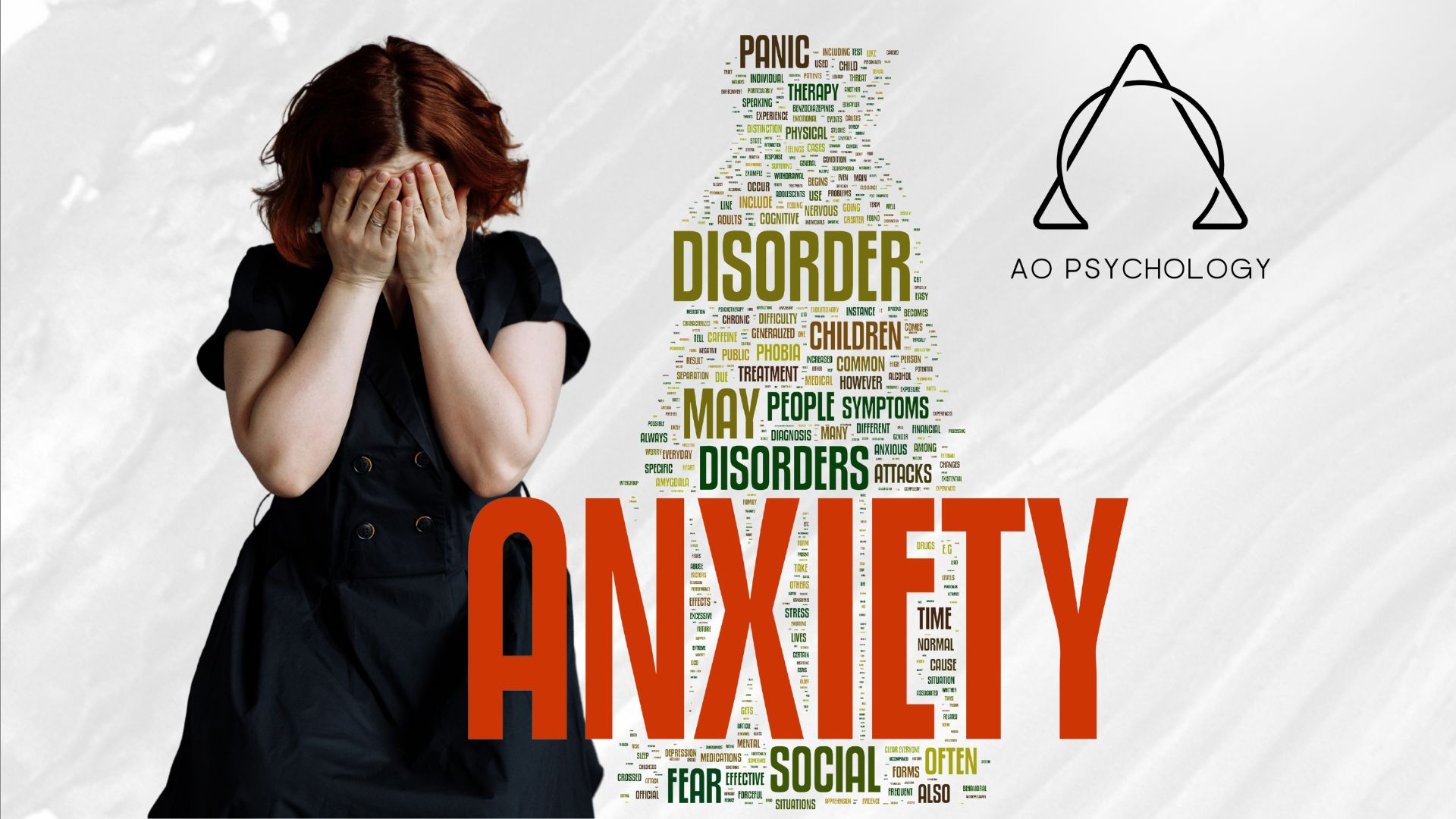
Anxiety is a common mental health challenge affecting millions worldwide. While occasional anxiety is normal, chronic anxiety can disrupt daily life, relationships, and productivity. Fortunately, there are evidence-based anxiety management techniques that actually work, enabling individuals to regain control and lead a balanced life. Understanding these methods and applying them consistently is key to managing anxiety effectively.
Understanding Anxiety in Daily Life
Anxiety is more than just nervousness. It is a heightened state of alertness and worry that can manifest physically, emotionally, and behaviorally. Common physical signs include rapid heartbeat, sweating, and muscle tension, while emotional symptoms may involve irritability, restlessness, or difficulty concentrating. Behaviorally, anxiety may lead to avoidance of stressful situations or social withdrawal.
Identifying anxiety triggers in daily life is crucial for effective management. Stressful work environments, personal relationships, financial pressures, and even health concerns can all contribute to heightened anxiety levels. Once triggers are recognized, targeted strategies can be implemented to reduce their impact.
Evidence-Based Anxiety Management Techniques
1. Mindfulness and Meditation
Mindfulness is the practice of focusing on the present moment without judgment. Techniques such as deep-breathing exercises, guided meditation, and body scans help reduce overthinking and calm the mind. Daily mindfulness practice has been shown to lower stress hormone levels and enhance emotional resilience.
2. Cognitive Behavioral Strategies
Cognitive Behavioral Therapy (CBT) is a clinically proven method for managing anxiety. CBT helps individuals identify negative thought patterns and replace them with more realistic and constructive perspectives. Techniques such as journaling, thought challenging, and gradual exposure to anxiety triggers are highly effective in daily life.
3. Regular Physical Activity
Exercise is a powerful tool for anxiety reduction. Activities like jogging, yoga, swimming, or even a daily walk release endorphins, improve mood, and reduce cortisol levels. Incorporating exercise into your routine not only benefits physical health but also significantly improves mental well-being.
4. Healthy Lifestyle Habits
Sleep, nutrition, and substance management play a vital role in anxiety control. A consistent sleep schedule, a balanced diet rich in fruits, vegetables, and whole grains, and limiting caffeine and alcohol intake can drastically improve anxiety symptoms. Simple lifestyle adjustments often provide immediate relief and long-term benefits.
5. Social Support and Connection
Building a strong support network is essential for anxiety management. Talking to trusted friends, family members, or joining community support groups can provide emotional reassurance and practical guidance. Social interaction fosters a sense of belonging and reduces feelings of isolation, which are often triggers for anxiety.
6. Time Management and Organization
Disorganization and excessive workload can exacerbate anxiety. Effective time management, prioritizing tasks, and setting realistic goals reduce stress levels and create a sense of control. Breaking tasks into manageable steps and scheduling downtime promotes mental clarity and reduces anxiety-induced overwhelm.
7. Professional Support
For persistent anxiety that interferes with daily life, seeking professional help is crucial. Therapists, psychologists, and psychiatrists offer tailored interventions, including therapy sessions and medication management. Early intervention enhances the effectiveness of treatment and improves overall quality of life.
Practical Daily Routine for Anxiety Management
Creating a daily routine that incorporates anxiety management strategies can lead to consistent improvement. A practical routine may include:
-
Morning mindfulness meditation or deep-breathing exercises
-
20–30 minutes of physical activity, such as walking or yoga
-
Balanced meals and proper hydration
-
Scheduled breaks during work or study sessions
-
Journaling thoughts and challenges
-
Evening relaxation techniques, such as reading or listening to calming music
Consistency in applying these strategies is key to achieving noticeable results in reducing anxiety symptoms.
When to Seek Immediate Assistance
While mild anxiety can be managed independently, certain signs indicate the need for immediate professional intervention. These include:
-
Panic attacks or severe physical symptoms
-
Inability to perform daily activities
-
Thoughts of self-harm or suicidal ideation
-
Persistent and overwhelming anxiety lasting weeks or months
Prompt intervention ensures appropriate care and prevents further complications.
Conclusion
Anxiety is a manageable condition when addressed with evidence-based techniques and consistent effort. Mindfulness, CBT, physical activity, social support, and healthy lifestyle habits are all proven strategies that can make a meaningful difference in daily life. By understanding triggers and implementing structured coping mechanisms, individuals can regain control, reduce stress, and improve overall well-being.
For practical tips and resources, visit Straight from GB to explore expert advice on anxiety management. Additionally, guides like Anxiety Management Techniques That Actually Work in Daily Life provide actionable steps for integrating these strategies effectively into your routine.

 Arabic
 French
 Spanish
 Portuguese
 Deutsch
 Turkish
 Dutch
Dutch
 Italiano
 Russian
 Romaian
 Portuguese (Brazil)
 Greek
Greek