
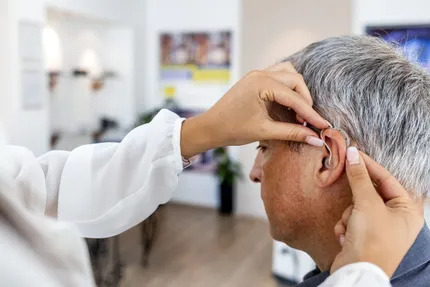
Hearing health is one of the most important senses we rely on every day. It helps us connect with loved ones, stay alert to our surroundings, enjoy music, and participate fully in conversations. Yet many people take their hearing health for granted—until they begin noticing problems.
Muffled sounds, difficulty following conversations, ringing in the ears, or mental fatigue after social gatherings are all signs that your ears and brain may need extra care. The good news is that there are many simple, natural ways to protect and support your auditory system at any age.
This complete guide will help you understand how hearing works, what affects it, and what you can do to maintain strong hearing health for years to come.
Why Hearing Health Is So Important
Your ears do much more than detect sound. They send signals to your brain, which then interprets those signals into meaningful information. When this system works smoothly, you can understand speech clearly, react quickly to sounds, and stay mentally sharp.
When hearing begins to decline, the brain must work harder to fill in missing information. Over time, this can lead to:
- Mental fatigue
- Reduced concentration
- Social withdrawal
- Frustration and stress
- Lower confidence in group settings
Taking care of your hearing health protects not only your ears but also your cognitive and emotional well-being.
How the Hearing System Works
Understanding the basics makes it easier to protect your ears.
Outer Ear – Collects sound waves and directs them inward.
Middle Ear – Amplifies sound vibrations using tiny bones.
Inner Ear – Converts vibrations into electrical signals.
Brain – Processes these signals into recognizable sounds.
Inside the inner ear are delicate hair cells. These cells are extremely sensitive. Loud noise, poor circulation, inflammation, or aging can damage them. Once damaged, they do not regenerate easily. This is why prevention is the key to long-term hearing health.
Common Causes of Hearing Problems
Hearing changes do not happen overnight in most cases. They often develop gradually.
Aging
Natural age-related decline can reduce sensitivity to high-pitched sounds.
Loud Noise Exposure
Concerts, headphones, traffic, or machinery can slowly damage inner ear cells.
Poor Blood Circulation
The inner ear needs oxygen and nutrients. Weak circulation may reduce clarity.
Chronic Stress
Stress affects nerve pathways and may increase ringing sensations.
Inflammation
Inflammation in the body can impact nerve communication between ear and brain.
By understanding these causes, you can take steps to reduce risk.
Early Signs You Should Never Ignore
Many people delay action because symptoms seem mild at first. Watch for:
- Ringing or buzzing sounds
- Trouble hearing in noisy rooms
- Frequently asking others to repeat themselves
- Needing higher TV volume than others
- Feeling drained after conversations
Catching early changes can help preserve hearing health over time.
The Strong Connection Between Hearing and the Brain
Hearing is not just about your ears—it’s about your brain too.
When sound signals reach the brain, they must be processed quickly and accurately. If brain function slows, sounds may seem unclear even if the ears are working properly.
Keeping your brain active supports better hearing. Helpful habits include:
- Reading regularly
- Solving puzzles
- Learning new skills
- Engaging in conversations
- Staying socially active
Strong cognitive function improves how clearly you interpret sounds.
Daily Habits That Protect Your Hearing
Small lifestyle choices make a big difference.
Control Volume Levels
Keep headphones at 60% volume or lower.
Take Listening Breaks
If exposed to noise at work, step away periodically.
Stay Hydrated
Water supports healthy blood flow to the inner ear.
Exercise Regularly
Physical activity improves circulation, benefiting hearing health.
Get Enough Sleep
Sleep allows nerve pathways to recover and reset.
Consistency matters more than perfection.
Nutrition for Better Hearing
Your diet plays a powerful role in supporting ear and brain function.
Antioxidants
Help protect delicate inner ear cells from damage.
Omega-3 Fatty Acids
Support circulation and reduce inflammation.
Magnesium
Helps maintain healthy blood vessels.
B Vitamins
Support nerve communication and energy production.
A balanced diet rich in vegetables, fruits, whole grains, and healthy fats naturally supports hearing health.
Managing Ringing in the Ears Naturally
Ringing or buzzing, often described as tinnitus, can interfere with daily life. While causes vary, lifestyle factors often influence its intensity.
Natural ways to manage it include:
- Deep breathing exercises
- Meditation or mindfulness
- Gentle background noise at bedtime
- Reducing caffeine intake
- Regular physical activity
Calming the nervous system can reduce sound sensitivity and improve comfort.
Why Circulation Matters for Hearing
The inner ear contains tiny blood vessels that deliver oxygen and nutrients. Poor circulation may reduce clarity and contribute to ear discomfort.
To support circulation:
- Walk at least 20–30 minutes daily
- Stretch regularly
- Maintain a healthy weight
- Avoid smoking
- Limit processed foods
Healthy blood flow is essential for maintaining strong hearing health.
Protecting Your Ears in Loud Environments
Noise damage is preventable with simple precautions.
- Use ear protection at concerts or worksites
- Avoid standing close to speakers
- Choose noise-canceling headphones
- Limit time in loud settings
Protective habits today can prevent problems later.
Emotional Effects of Hearing Challenges
Hearing issues can affect confidence. Many people feel embarrassed asking others to repeat themselves.
Clearer hearing supports:
- Better relationships
- Improved social engagement
- Greater independence
- Lower stress levels
Strong hearing health improves emotional balance and overall happiness.
Regular Hearing Checkups
Routine hearing tests help detect early changes.
Consider scheduling a test if you:
- Are over 50
- Have frequent ringing
- Work in noisy environments
- Notice difficulty understanding speech
Early awareness allows timely action.
Natural Support Options
In addition to healthy habits, some individuals explore natural nutritional support to maintain ear and brain balance.
Certain plant-based nutrients may help:
- Promote circulation
- Reduce oxidative stress
- Support nerve communication
- Enhance mental clarity
For more hearing health guidance and natural ear care tips, visit Audifort to explore helpful wellness resources designed to support your daily routine.
Hearing Health Across Different Ages
In Your 20s and 30s
Prevent noise damage and monitor headphone use.
In Your 40s and 50s
Focus on circulation, stress management, and early detection.
In Your 60s and Beyond
Stay socially active and prioritize cognitive exercises.
Strong habits at every stage support lifelong hearing health.
Reducing Stress for Clearer Hearing
Stress impacts nerve sensitivity and may increase ringing.
Ways to reduce stress include:
- Gentle yoga
- Time outdoors
- Limiting screen time before bed
- Journaling thoughts
- Practicing gratitude
A calm mind supports clearer sound processing.
Creating a Hearing-Friendly Home
Simple environmental changes help reduce strain.
- Lower background TV volume
- Improve lighting to read facial expressions
- Sit facing the person speaking
- Reduce echo with soft furnishings
Comfortable listening spaces reduce mental fatigue.
The Role of Sleep in Hearing Recovery
Sleep restores balance in the nervous system. Lack of rest can increase sound sensitivity.
Tips for better sleep:
- Maintain a consistent bedtime
- Keep your bedroom dark and cool
- Avoid screens before sleep
- Limit heavy meals at night
Good sleep strengthens overall hearing health.
Long-Term Commitment Makes the Difference
There is no single solution for hearing challenges. True improvement comes from daily commitment to healthy habits.
Focus on:
- Balanced nutrition
- Regular exercise
- Stress management
- Volume awareness
- Routine checkups
Small steps repeated consistently create lasting change.
For more hearing health Audifort strategies and practical lifestyle advice, explore trusted insights at and discover simple ways to protect your ears naturally.
Final Thoughts
Hearing allows you to connect with the world in meaningful ways. It shapes your communication, awareness, and emotional well-being. While aging and environmental factors may influence your ears, many risks can be reduced with mindful care.
By supporting circulation, protecting against noise damage, managing stress, maintaining balanced nutrition, and staying mentally active, you can protect your hearing health and enjoy clearer sound for years to come.
Start today. Make small changes. Stay consistent.

 Arabic
 French
 Spanish
 Portuguese
 Deutsch
 Turkish
 Dutch
Dutch
 Italiano
 Russian
 Romaian
 Portuguese (Brazil)
 Greek
Greek