
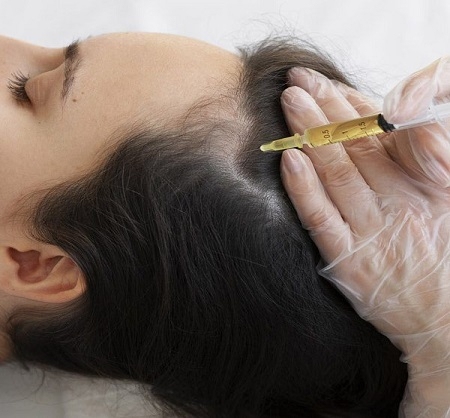
Embarking on a journey to restore your hair is a significant medical and aesthetic decision. A Hair Transplant in Dubai is not merely a cosmetic "fix" but a sophisticated microsurgical procedure that requires a deep understanding of scalp anatomy and follicular biology. For new patients, the transition from researching options to sitting in the surgical chair involves a learning curve regarding graft viability, extraction techniques, and the realistic expectations of long-term density.
Defining the Clinical Framework of Hair Transplant in Dubai
In a professional medical setting, hair restoration is the strategic redistribution of terminal hair follicles. In our clinical experience, the success of the procedure is dictated by the "donor-to-recipient ratio." This means evaluating how much healthy hair is available at the back of the scalp to cover the thinning areas in the front. The procedure involves harvesting follicular units—naturally occurring groups of 1 to 4 hairs—and transplanting them into microscopic incisions.
A Hair Transplant in Dubai utilizing modern Follicular Unit Extraction (FUE) ensures that each graft is treated as an individual organ transplant. Because the tissue is autologous (your own), there is no risk of rejection. The focus of modern clinical standards is to ensure the "take rate" remains above 95%, meaning nearly every follicle moved will successfully establish a blood supply and grow hair in its new location.
The Physiological Mechanism of Graft Survival
The mechanism of a successful transplant relies on the rapid establishment of neovascularization. Within the first 72 hours, the transplanted follicle must connect to the surrounding blood vessels to receive oxygen and glucose. Without this connection, the "living" part of the hair—the dermal papilla—cannot survive. This is why the precision of the implantation depth is so critical; if placed too deep or too shallow, the follicle may fail to thrive.
What patients typically report during recovery is a phase of "shock shedding" around the one-month mark. This is a normal physiological mechanism where the hair shaft falls out, but the bulb remains securely anchored in the dermis. The follicle then enters a resting phase (telogen) before re-entering the growth phase (anagen) to produce a permanent, thicker hair strand that will last for decades.
The Purpose of Hairline and Density Customization
The primary purpose of a clinical consultation is to design a hairline that matches the patient's facial geometry and age. A Hair Transplant in Dubai should never result in a "one-size-fits-all" straight line. Instead, the purpose is to create a soft, irregular transition that mimics a natural, non-surgical appearance. This involves placing fine, single-hair grafts at the leading edge and denser, multi-hair grafts further back to provide opacity.
Clinically, adding density also serves to restore the scalp's protective barrier. Thinning hair allows for increased thermal loss and higher vulnerability to UV radiation. By repopulating these areas, the procedure restores the natural "microclimate" of the scalp, supporting overall dermatological health while providing the desired aesthetic volume.
Key Clinical Benefits of Precision Restoration
-
Permanent Follicular Integration: Unlike temporary solutions, the transplanted hair is genetically resistant to the hormones that cause balding.
-
Microsurgical Accuracy: Use of high-magnification loupes ensures that native hair surrounding the grafts is not damaged.
-
Natural Growth Direction: Grafts are placed at specific angles (usually 15 to 40 degrees) to match the original flow of your hair.
-
Scalp Tissue Preservation: Modern tools like Sapphire blades minimize scarring and promote faster skin closure.
Ideal Candidates for Medical Restoration
| Patient Variable | Clinical Consideration |
| Donor Density | Must have sufficient follicular units in the "safe zone" at the back of the head. |
| Hair Caliber | Thicker hair shafts provide better visual coverage than very fine hair. |
| Loss Stability | Ideally, hair loss should be stabilized through age or medical therapy before surgery. |
| Scalp Health | The recipient area must be free of active dermatitis or scarring alopecia. |
In our clinical experience, we often perform a "Fox Test" or microscopic scalp scan to ensure the donor hair is of high enough quality. If the hair in the donor area is also showing signs of miniaturization, the patient may be advised to undergo a series of preparatory treatments before proceeding with the transplant.
The Surgical Procedure Step-by-Step
-
Clinical Mapping: Drawing the hairline and calculating the exact graft requirements for each "zone" of the scalp.
-
Local Anesthesia: Numbing the donor and recipient areas to ensure a completely painless experience for the patient.
-
Microsurgical Harvesting: Using a 0.7mm to 0.9mm punch to remove individual follicles with minimal tissue trauma.
-
Graft Storage: Keeping the follicles in a chilled, pH-balanced holding solution to maintain their metabolic health.
-
Site Channeling: Creating the recipient sites using ultra-sharp blades, focusing on the natural swirl and direction of the hair.
-
Implantation: Carefully placing the grafts into the channels, ensuring the delicate bulbs are fully protected.
Common Target Zones for Restoration
The "frontal third" is the most common area of concern for a Hair Transplant in Dubai, as it defines the face. However, many patients also require work on the "mid-scalp" and "crown." The crown is particularly complex because the hair grows in a spiral pattern; if the grafts are not angled correctly in this zone, the results will look "flat" and unnatural.
Additionally, the "temple peaks" are vital for a youthful appearance. If the hairline is brought forward but the temples are left recessed, the forehead can appear disproportionately large. A comprehensive clinical plan addresses all these zones to ensure a balanced, high-density result that looks consistent from every angle.
Factors Influencing the Complexity of the Case
The complexity of a transplant is often determined by the total "graft math." A session requiring 3,000+ grafts is a major clinical effort that involves several hours of focused microsurgery. The choice of technology, such as Sapphire FUE, also impacts the process. Sapphire blades are significantly sharper than traditional steel, allowing the surgeon to create smaller, more precise channels which lead to less bleeding and faster healing.
In our clinical experience, the "out-of-body" time for the grafts is a critical factor. To ensure the highest survival rate, a dedicated team must work in sync to extract, sort, and implant the hair as quickly as possible while keeping the follicles hydrated. The use of specialized holding solutions that mimic human plasma further enhances the long-term success of the procedure.
The Recovery and Maturation Timeline
-
Days 1–5: The "anchoring" phase. Tiny crusts form around the grafts. Redness is common but fades quickly.
-
Days 10–14: The scalp looks nearly normal as the scabs fall off. The donor area is usually fully healed.
-
Months 1–3: The resting phase. The transplanted hair sheds, which can be a period of anxiety for new patients, but is medically expected.
-
Months 4–6: Initial growth. New, fine hairs begin to emerge from the surface.
-
Month 12: Full aesthetic impact. The hair has gained its full thickness and length.
Safety Considerations and Post-Op Integrity
Safety is the absolute priority in any surgical intervention. A Hair Transplant in Dubai should be performed in a sterile, accredited medical facility. Potential side effects like minor swelling or temporary numbness in the donor area are common and typically resolve within a few days.
The most critical part of safety is the first 48 hours. Patients must not touch or scratch the grafts, as they can be easily dislodged. We provide a specialized post-op kit, including antiseptic sprays and foam shampoos, to ensure the scalp remains clean and the new follicles are protected from external bacteria or trauma.
Maintaining Your Restoration for a Lifetime
While the transplanted hair is permanent, the "native" hair around it may still be subject to genetic thinning. In our clinical experience, many patients benefit from a combined approach, using specialized shampoos or nutritional support to keep the rest of their hair healthy.
Maintaining a diet rich in iron, zinc, and protein provides the necessary building blocks for keratin production. By protecting the health of the entire scalp, you ensure that the density achieved through your Hair Transplant in Dubai remains seamless and natural-looking as you age.
Conclusion
A hair transplant is a transformative journey that balances medical rigor with an artistic touch. For new patients, understanding the science behind the surgery is the best way to feel confident in the process. At Tajmeels Clinic, we are committed to providing a transparent and medically authoritative environment where your goals are met with the highest standards of care. Reclaiming your hair is a significant milestone, and we are here to ensure that every step of your restoration is safe, effective, and permanent.

 Arabic
 French
 Spanish
 Portuguese
 Deutsch
 Turkish
 Dutch
Dutch
 Italiano
 Russian
 Romaian
 Portuguese (Brazil)
 Greek
Greek