
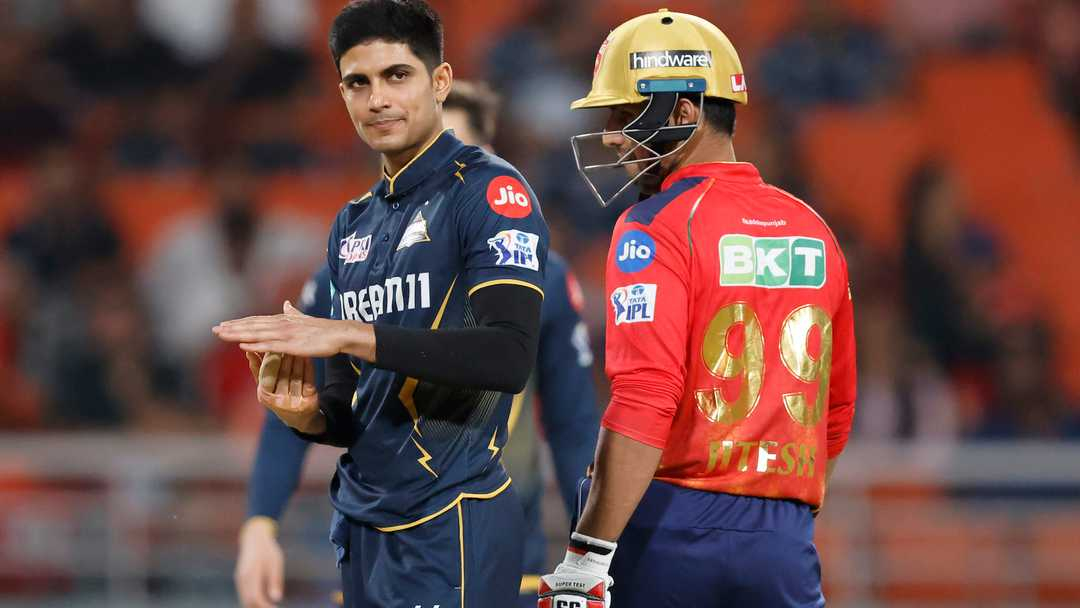
The Decision Review System (DRS) has become an important part of modern cricket. It has helped reduce errors in umpiring decisions and brought more transparency to the game. Recently, the Board of Control for Cricket in India (BCCI) reportedly clarified to IPL teams that there will be no automatic double checks for DRS referrals, meaning teams must be more careful and confident when they decide to challenge an umpire’s decision.
This clarification highlights how important decision-making has become in modern cricket, where technology supports the game but cannot replace player awareness and tactical thinking.
Understanding What DRS Is and Why It Matters
The Decision Review System was introduced to minimize umpiring errors and allow players to challenge decisions they believe are incorrect. Over time, DRS has become a strategic tool rather than just a correction mechanism.
Main components of DRS include:
Ball tracking technology
Used to predict the path of the ball in LBW decisions.
UltraEdge or Snickometer
Detects small edges between bat and ball.
Hotspot (in some tournaments)
Shows contact using thermal imaging.
Third umpire reviews
Allows detailed video examination.
These tools have made cricket more accurate, but they also require teams to use reviews wisely.
What Does "No Automatic Double Checks" Mean?
The recent clarification suggests that once a team opts for a DRS review, there will not be any additional automatic verification beyond the standard process. In simple terms, teams must trust their judgment before asking for a review.
What this means in practical terms:
No extra safety review
Teams cannot expect a second automatic check.
Responsibility on players
Players must decide carefully before reviewing.
Time efficiency
Avoids unnecessary delays.
Strategic importance
Reviews must be used smartly.
This makes DRS not just a technical process but also a tactical one.
Why BCCI May Have Issued This Reminder
Cricket authorities often clarify rules to ensure matches run smoothly and fairly.
Possible reasons behind this clarification:
Avoiding confusion
Ensuring all teams understand the process.
Maintaining match flow
Reducing unnecessary stoppages.
Encouraging smart use of reviews
Preventing careless referrals.
Ensuring fairness
Keeping review usage consistent for all teams.
Such reminders help maintain discipline in high-pressure tournaments like the IPL.
The Strategic Value of DRS in T20 Cricket
In T20 matches, where every ball matters, a successful review can change the momentum of the game. At the same time, wasting reviews can hurt a team’s chances later.
Why DRS is strategic:
Limited number of reviews
Teams must use them wisely.
Momentum impact
Successful reviews can boost morale.
Pressure building
Correct reviews increase pressure on opponents.
Game awareness test
Captains must read situations quickly.
Modern teams treat DRS as part of match tactics.
The Captain’s Role in DRS Decisions
The captain usually plays the main role in deciding whether to take a review. While players may suggest it, the final decision often rests with the leader.
Factors captains consider before reviewing:
Player confidence
Did the bowler or wicketkeeper strongly appeal?
Match situation
Is the wicket crucial?
Available reviews
How many chances remain?
Time pressure
Decisions must be made quickly.
Good captains often develop a strong instinct for such decisions.
Communication Between Players Matters
DRS decisions often depend on quick conversations between bowlers, wicketkeepers, and close fielders.
Key communication points:
Bowler feedback
Did they feel impact or edge?
Wicketkeeper input
Did they hear a sound?
Slip fielders’ observations
Did they see deviation?
Captain’s judgment
Final decision based on inputs.
Clear communication often leads to better decisions.
Technology Helps, But Judgment Still Matters
Even with advanced technology, human judgment remains essential. Technology only works after a review is requested.
Why player judgment remains important:
Limited review opportunities
Not every decision can be challenged.
Time limits
Players must decide quickly.
No guarantee of reversal
Technology may still support the umpire.
Tactical consequences
Wrong reviews can cost teams later.
This balance between technology and instinct defines modern cricket.
Common Mistakes Teams Make With DRS
Even experienced teams sometimes misuse reviews due to pressure or confusion.
Common DRS mistakes include:
Emotional reviews
Taking reviews out of frustration.
Lack of communication
Not consulting teammates properly.
Guess-based decisions
Reviewing without clear evidence.
Early misuse
Wasting reviews early in innings.
Avoiding these mistakes can improve success rates.
How Teams Prepare for Better DRS Decisions
Professional teams now prepare specifically for review decisions. Some teams even analyze past review patterns.
Preparation methods include:
Reviewing past decisions
Learning from mistakes.
Training awareness
Encouraging players to observe closely.
Scenario discussions
Planning review strategies.
Leadership training
Helping captains make better calls.
Cricket discussions on platforms like Sky Exchange often highlight how smart DRS usage can influence match outcomes.
The Psychological Pressure of DRS Decisions
Making a DRS call is not easy, especially in front of large crowds and under time pressure.
Challenges players face:
Crowd noise
Making communication difficult.
Time limits
Only seconds to decide.
Fear of mistakes
Players hesitate after previous wrong calls.
Match importance
Big games increase pressure.
Handling these pressures is part of professional cricket.
How DRS Has Changed the Game
Since its introduction, DRS has changed how players behave on the field.
Changes brought by DRS:
Reduced arguments
Technology resolves disputes.
Better discipline
Players think before appealing.
Improved umpire confidence
Officials can rely on support systems.
Tactical awareness
Teams plan review usage.
DRS has become an essential part of modern cricket.
The Importance of Saving Reviews
Experienced teams often emphasize saving at least one review for crucial moments.
Why saving reviews matters:
Late match decisions
Important calls often happen near the end.
Pressure situations
Key wickets may require reviews.
Unexpected errors
Even obvious decisions can be wrong.
Strategic flexibility
Extra reviews provide security.
This approach reflects careful planning.
Fan Interest in DRS Decisions
Fans today closely follow DRS decisions, often discussing them online. Technology has made viewers more aware of technical details.
Cricket discussions across platforms such as Sky Exchange often show fans analyzing DRS calls frame by frame, reflecting the growing interest in the technical side of cricket.
This engagement shows how technology has increased fan involvement.
The Role of Umpires in the DRS Era
Even with technology, on-field umpires remain central to decision-making. DRS is meant to support, not replace them.
Responsibilities of umpires include:
Making initial decisions
DRS only comes after their call.
Communicating clearly
Explaining decisions when needed.
Managing reviews
Ensuring correct process.
Maintaining match control
Keeping the game flowing.
This balance ensures fairness.
Possible Future Improvements in DRS
As technology evolves, DRS may continue to improve.
Potential future developments:
Faster review processes
Reducing waiting time.
Better edge detection
More accurate sound analysis.
Improved ball tracking
Higher precision predictions.
Training tools
Helping players understand technology better.
Such improvements may further reduce controversies.
Lessons Teams Can Learn From This Clarification
The BCCI’s message about no automatic double checks reinforces an important lesson: teams must take responsibility for their decisions.
Key lessons include:
Think before reviewing
Avoid emotional decisions.
Trust communication
Listen to teammates.
Stay calm
Pressure leads to mistakes.
Use reviews wisely
Treat them as valuable resources.
Such discipline often helps teams perform better.
Looking Ahead: Smarter Use of Technology
As cricket continues to evolve, teams will likely become even smarter in how they use DRS. Decision-making will remain a key skill for captains and players.
The teams that combine technology with good judgment often gain an advantage.
Conclusion: Technology Helps, But Smart Decisions Win Matches
The BCCI’s clarification about no automatic double checks for DRS referrals highlights how important decision-making has become in modern cricket. Technology provides support, but the responsibility still lies with players and captains.
As discussed in cricket analysis communities such as Sky Exchange, the smartest teams are not just those with the best players, but those that make the best decisions under pressure.
Ultimately, DRS is not just about technology — it is about awareness, communication, and confidence.

 Arabic
 French
 Spanish
 Portuguese
 Deutsch
 Turkish
 Dutch
Dutch
 Italiano
 Russian
 Romaian
 Portuguese (Brazil)
 Greek
Greek