
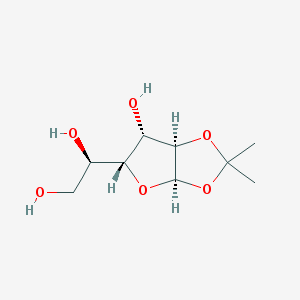
The mode of chemical supply
The supply model of chemical drugs mainly revolves around three major links: research and development, production, and circulation, forming a complete chain from raw materials to end users. Its core characteristics are strong supervision, long cycle, and high compliance requirements. The current mainstream model has evolved from traditional linear supply chains to digital collaboration and platform integration.
1、 Typical supply mode path
The circulation path of chemical drugs usually follows the following two main modes:
Raw materials → Formulation production → Wholesale/retail → Hospitals/pharmacies → Patients
Raw material pharmaceutical companies (such as Huahai Pharmaceutical) supply their products to formulation factories, process them, and distribute them to end-users through pharmaceutical commercial companies.
Raw materials → Formulation production → Direct supply from medical institutions → Patients
Large pharmaceutical companies or centralized procurement winning companies directly sign supply agreements with hospitals, reducing intermediate links and improving efficiency.
With the promotion of the national centralized drug procurement policy, the proportion of the second type of direct supply mode continues to rise, forcing the supply chain to compress levels and improve response speed.
2、 Key support mode innovation
S2B2B platform based supply model
Integrate resources from suppliers, logistics companies, and financial institutions through online platforms to achieve full chain collaboration from raw material procurement to finished product distribution. This model emphasizes information sharing and supply chain integration, improving transaction transparency and performance efficiency.
Molecular level precision procurement system
In response to the needs of scientific research and pharmaceutical enterprises, the B2B platform supports CAS number, molecular formula, and structural formula retrieval, achieving precise matching of "one item, one code" and solving the problems of low efficiency and naming confusion in traditional sourcing.
Special logistics system for hazardous chemicals
Chemical drugs involving easily producible drugs and hazardous chemicals (such as ephedrine and acetone) require a professional fleet and storage system with transportation qualifications to ensure full traceability, compliance, and controllability.
3、 Development trend: data-driven and ecological synergy
Platform based operation: In the future, the supply platform will integrate functions such as electronic contracts, online payments, and credit sales, forming an integrated ecosystem of "transactions+finance+services".
Intelligent decision-making: Based on data analysis of historical procurement, inventory, and production plans, achieve intelligent replenishment and risk warning.
Green supply chain: promote packaging recycling, low-carbon transportation, and meet ESG compliance requirements.

 Arabic
 French
 Spanish
 Portuguese
 Deutsch
 Turkish
 Dutch
Dutch
 Italiano
 Russian
 Romaian
 Portuguese (Brazil)
 Greek
Greek