
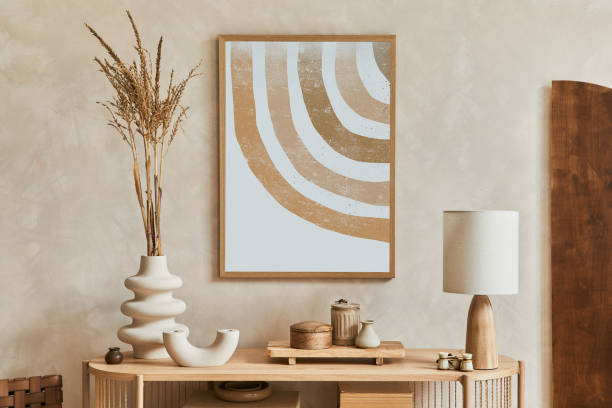
Your first design consultation usually feels a bit uncertain. That’s normal. Some people walk in with Pinterest boards, saved Instagram posts, even rough sketches. Others show up with nothing but “I just want it to feel better.” Both are fine. A good designer doesn’t expect you to have it all figured out. In Las Vegas Interior Design, especially, clients come with all kinds of expectations—some clear, some messy. The first meeting isn’t about having answers. It’s about starting the conversation, figuring out what you like, what you don’t, and honestly… what you can afford.
Getting Real About Budget (Yeah, It Comes Up Early)
This part surprises people. Budget comes up sooner than they expect. Not in a pushy way, but it has to be discussed. There’s no point designing something you can’t actually build. A decent designer will ask questions that feel a bit direct—“What’s your range?” or “What are you comfortable spending per room?” It might feel awkward, but it saves time later. And no, you don’t need exact numbers. Even a rough ballpark helps. Without that, everything just floats.
Talking Lifestyle, Not Just Style
People think design is about colors and furniture. It’s not, at least not at first. The conversation usually leans more toward how you live. Do you cook a lot? Kids? Pets? Do you hate clutter but somehow always have it? That kind of stuff matters more than whether you like beige or grey. A designer is trying to spot patterns. Little habits. Things you might not even notice yourself. Because a space that looks good but doesn’t work… yeah, that gets old fast.
The Site Walkthrough (If It’s In-Person)
If the consultation happens at your home, expect a walkthrough. It’s not formal. More like walking room to room, pointing things out. You’ll probably hear observations you didn’t expect—lighting issues, awkward layouts, dead space you’ve just gotten used to. Designers notice those things quickly. They might take photos, measurements, maybe quick notes. Nothing fancy. It’s just groundwork. And sometimes they’ll pause mid-room and go quiet for a second. That’s usually them thinking, not judging.
Style Direction Starts Taking Shape
Somewhere in the middle of all this, your style starts to take form. Not perfectly. Not locked in. But clearer. A designer might throw out words—“modern but warm,” “clean with texture,” “a bit layered, not too minimal.” You might agree. Or not. That’s part of it. This back-and-forth is where things get interesting. You’re not expected to speak “design language.” Just react honestly. “I like that” or “that feels too much.” That’s enough.
Timeline Talk (And Reality Checks)
Then comes timing. And this is where expectations sometimes get adjusted. Good design takes time. Ordering materials, waiting on furniture, dealing with contractors—it all adds up. If you’re expecting a full home transformation in a few weeks, you’ll hear otherwise. Not harshly, just… realistically. In cities like Las Vegas, project timelines can stretch depending on availability and scope. Better to know that upfront than get frustrated later.
Process Breakdown—What Happens After This
By the end of the consultation, you should have a rough idea of what happens next. Not every designer works the same way, but generally, they’ll explain their process—concept design, revisions, sourcing, execution. Some will offer full-service design, others partial. Some handle everything, others collaborate with your contractor. If this part feels confusing, ask questions. Seriously. It’s better to slow down here than misunderstand things later.
Fees, Contracts, and How They Work
This part is less exciting, but important. Designers will explain how they charge—hourly, flat fee, percentage, or a mix. There’s no single standard. You might also hear about retainers or initial deposits. Again, not meant to scare you off. It’s just how the business runs. A clear breakdown here actually builds trust. If it feels vague or avoided… that’s a red flag, honestly.
A Bit of Back-and-Forth Before You Leave
Toward the end, things usually loosen up a bit. More casual. You might revisit earlier ideas, ask random questions you forgot, or clarify something small that suddenly feels important. Sometimes clients bring up things at the last minute—“Oh, by the way, I hate dark kitchens.” That kind of thing matters. So yeah, say it. This isn’t a one-shot perfect meeting. It’s messy, a little scattered, but useful.
Where It All Connects to Your Bigger Vision
This is also the point where your project starts feeling more real. Not just an idea anymore. Whether you’re planning a simple refresh or something bigger, like a Custom Home Dragon Residence, the consultation ties everything together. You begin to see how decisions will stack—layout, materials, lighting, flow. It’s not fully formed yet, but it’s moving. That’s the shift.
Conclusion: It’s Not About Perfection—It’s About Direction
A first design consultation isn’t polished, and it shouldn’t be. It’s part discovery, part reality check, part creative spark. You won’t walk away with a finished plan. But you will have direction. A clearer sense of what’s possible, what it might cost, and who you’re working with. That last part matters more than people think. If the conversation felt easy, honest, a bit unfiltered—that’s usually a good sign. Because good design doesn’t start with perfection. It starts with a real conversation.

 Arabic
 French
 Spanish
 Portuguese
 Deutsch
 Turkish
 Dutch
Dutch
 Italiano
 Russian
 Romaian
 Portuguese (Brazil)
 Greek
Greek