
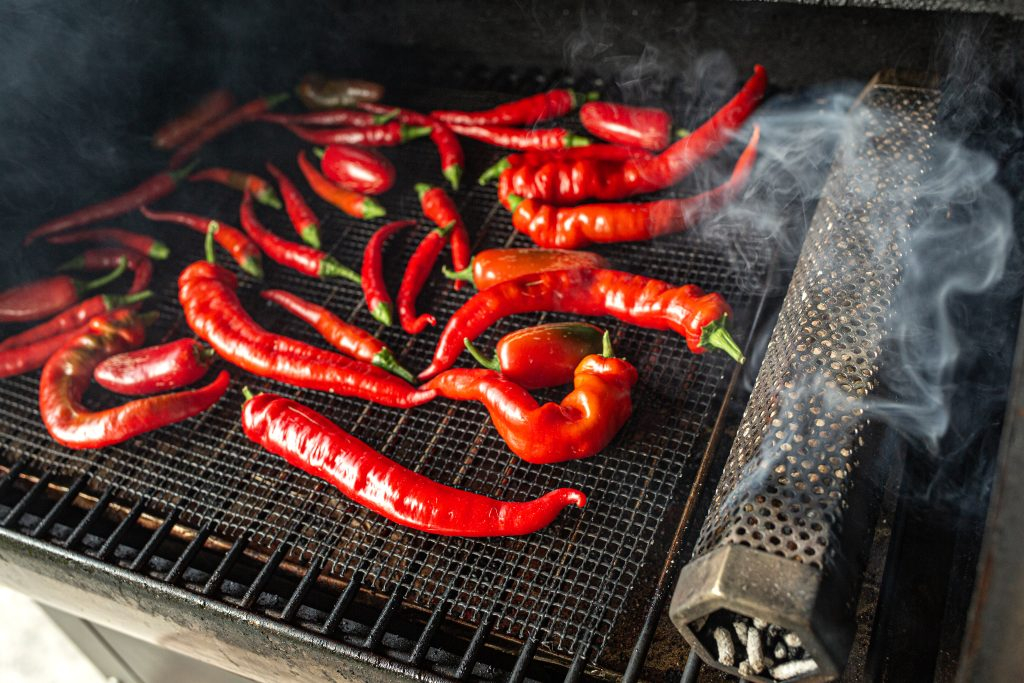
Chili powder transforms smoked meat from ordinary to extraordinary through its complex blend of spices and unique chemical properties. Understanding how this versatile seasoning enhances the smoking process helps pitmasters and backyard enthusiasts create more flavorful, aromatic, and visually appealing barbecue.
Understanding Chili Powder's Composition
Chili powder isn't just ground chili peppers – it's a carefully crafted blend of spices that work synergistically during the smoking process. Traditional chili powder typically contains:
- Ground chili peppers (usually ancho, cayenne, or paprika)
- Cumin for earthy depth
- Oregano for herbal notes
- Garlic powder for savory complexity
- Paprika for color and mild sweetness
- Salt for flavor enhancement
This combination creates the foundation for understanding what does chili powder do for smoking meat and why it's become essential in barbecue culture.
Flavor Enhancement Through Chemical Reactions
Maillard Reaction Acceleration
During the smoking process, chili powder actively participates in the Maillard reaction – the chemical process responsible for developing complex flavors and appealing colors on meat surfaces.
The sugars naturally present in many chili powder components, particularly paprika and dried chilies, caramelize under heat, creating deeper flavor profiles that complement the meat's natural taste.
Temperature Optimization: Chili powder works best when smoking temperatures range between 225°F and 275°F, allowing gradual flavor development without burning the delicate spice compounds.
Capsaicin Benefits
The capsaicin found in chili peppers provides more than just heat – it actually enhances other flavors by increasing taste sensitivity and promoting saliva production, which helps distribute flavors throughout the palate.
| Chili Type in Powder | Scoville Heat Units | Flavor Profile | Best Meat Pairings |
|---|---|---|---|
| Ancho | 1,000-1,500 | Sweet, smoky | Beef brisket, pork |
| Chipotle | 2,500-8,000 | Smoky, earthy | Ribs, chicken |
| Cayenne | 30,000-50,000 | Sharp, clean heat | Game meats, lamb |
| Paprika | 0-500 | Sweet, mild | All meats |
Moisture Retention and Bark Formation
Creating the Perfect Bark
One of the most significant aspects of what does chili powder do for smoking meat involves bark formation – the flavorful, textured crust that develops on meat surfaces during smoking.
Chili powder contributes to bark development through several mechanisms:
Sugar Content: Natural sugars in chili powder caramelize, creating a sticky surface that helps other seasonings adhere while developing rich color and flavor.
Protein Interaction: Compounds in chili powder react with meat proteins, forming complex flavor molecules that penetrate beyond the surface.
Moisture Management: The hygroscopic properties of chili powder help manage surface moisture, promoting proper bark formation while preventing the meat from drying out.
Surface Texture Enhancement
The granular nature of chili powder creates microscopic texture variations on meat surfaces, increasing the area available for flavor development and smoke absorption.
This textural component helps trap smoke particles and aromatic compounds, intensifying the overall flavor profile of the finished product.
Heat Distribution and Penetration
Thermal Conductivity Properties
Chili powder affects heat distribution across meat surfaces, promoting more even cooking and flavor development. The iron content in many chili varieties slightly improves thermal conductivity, helping heat penetrate more uniformly.
Circulation Enhancement: The fine particles create micro-channels that facilitate air circulation around the meat, improving smoke distribution and heat transfer efficiency.
Penetration Depth Factors
While most spice flavors remain primarily on the surface, certain compounds in chili powder can penetrate deeper into the meat:
- Oil-soluble capsaicinoids migrate into fat tissues
- Water-soluble compounds follow moisture gradients
- Volatile aromatic compounds infuse throughout the meat during extended smoking sessions
Color Development and Visual Appeal
Pigment Contributions
The vibrant colors in chili powder come from natural pigments like carotenoids and capsanthin, which not only enhance visual appeal but also indicate the presence of beneficial compounds.
Carotenoid Benefits: These pigments provide antioxidant properties that can help preserve meat quality during the smoking process while creating the rich, appealing colors barbecue enthusiasts prize.
Browning Enhancement
Chili powder accelerates and intensifies the browning process through its interaction with amino acids and proteins in the meat surface, creating deeper, more complex colors that indicate flavor development.
For those interested in expanding their culinary knowledge and general understanding of cooking techniques, Bigwritehook General Knowledge offers comprehensive resources on various cooking and food science topics.
Complementary Spice Interactions
Synergistic Flavor Development
Understanding what does chili powder do for smoking meat requires appreciating how it interacts with other common barbecue seasonings:
Salt Enhancement: Chili powder amplifies salt's flavor-enhancing properties while salt helps extract and distribute chili compounds throughout the meat.
Sugar Reactions: When combined with brown sugar or other sweeteners, chili powder creates complex caramelization reactions that develop rich, layered flavors.
Herb Complementation: The oregano and other herbs typically found in chili powder blends create aromatic complexity that complements smoke flavors.
Application Techniques for Optimal Results
Timing Considerations
Pre-Smoke Application: Applying chili powder 30-60 minutes before smoking allows initial flavor penetration and helps create better bark formation.
During Smoking: Light reapplication during the smoking process can intensify flavors and improve bark development, particularly on longer cooks.
Post-Cooking Enhancement: A final light dusting of fresh chili powder just before serving can brighten flavors and enhance visual appeal.
Quantity Guidelines
| Meat Type | Chili Powder Amount | Application Method | Smoking Time |
|---|---|---|---|
| Beef Brisket | 2-3 tbsp per lb | Heavy rub | 12-16 hours |
| Pork Ribs | 1-2 tbsp per rack | Moderate coating | 4-6 hours |
| Chicken | 1 tbsp per bird | Light dusting | 2-3 hours |
| Fish | 1 tsp per fillet | Gentle coating | 30-60 minutes |
Temperature and Time Interactions
Low and Slow Benefits
Chili powder works exceptionally well in low-temperature, long-duration smoking because:
Gradual Flavor Development: Extended cooking times allow complex flavor compounds to develop fully without burning delicate spice elements.
Moisture Interaction: Long smoking sessions give chili powder time to interact with meat juices, creating rich, penetrating flavors.
Compound Stability: Lower temperatures preserve volatile aromatic compounds that might be lost at higher heat levels.
Hot and Fast Considerations
While chili powder can work in higher-temperature smoking, adjustments are necessary:
- Reduced quantities to prevent burning
- Protected application under other ingredients
- Later timing to avoid overcooking spice compounds
Health and Nutritional Benefits
Antioxidant Properties
Many components of chili powder provide significant antioxidant benefits that can help preserve meat quality during smoking while offering health advantages:
Vitamin C Preservation: Some chili varieties retain vitamin C even after drying and processing.
Capsanthin Benefits: This compound provides anti-inflammatory properties and may support cardiovascular health.
Mineral Content: Chili powder often contains iron, potassium, and magnesium that complement meat's nutritional profile.
Metabolism Enhancement
The capsaicin in chili powder can temporarily boost metabolism and may help with appetite regulation, making smoked meats both more flavorful and potentially beneficial for weight management.
For additional information on nutrition and general health topics, Gmru General Knowledge provides valuable insights into various wellness subjects.
Regional Variations and Cultural Applications
Traditional Barbecue Styles
Different barbecue regions utilize chili powder in unique ways:
Texas Style: Heavy chili powder application emphasizes heat and bold flavors, particularly with beef.
Kansas City Style: Moderate chili powder use balances with sweet elements in complex rub blends.
Carolina Style: Lighter chili powder application allows vinegar and pepper flavors to predominate.
International Influences
Global barbecue traditions incorporate chili powder differently:
- Mexican influences emphasize complex chili blends with multiple pepper varieties
- Asian applications combine chili powder with soy-based marinades
- Middle Eastern techniques blend chili powder with aromatic spices like sumac and za'atar
Storage and Quality Considerations
Freshness Factors
The effectiveness of chili powder in smoking applications depends heavily on freshness and proper storage:
Volatile Oil Preservation: Fresh chili powder retains more aromatic compounds that enhance smoke flavor.
Color Retention: Proper storage prevents fading that indicates compound degradation.
Flavor Intensity: Fresh chili powder provides more robust flavor development during smoking.
Storage Best Practices
- Airtight containers prevent moisture absorption and preserve potency
- Cool, dark locations prevent heat and light degradation
- Regular replacement ensures optimal flavor impact
Troubleshooting Common Issues
Over-Application Problems
When too much chili powder is used, several issues can arise:
Bitter Flavors: Excessive chili powder can create bitter, harsh tastes that overpower meat flavors.
Burning Issues: Too much chili powder may burn at standard smoking temperatures, creating acrid tastes.
Texture Problems: Heavy application can create gritty, unpleasant textures in the finished product.
Under-Application Solutions
Insufficient chili powder results in:
- Bland flavors that don't complement smoke
- Poor bark formation and visual appeal
- Missed opportunities for complex flavor development
Conclusion
Understanding what does chili powder do for smoking meat reveals its multifaceted role in creating exceptional barbecue. From enhancing flavor development through chemical reactions to improving visual appeal and bark formation, chili powder serves as a cornerstone ingredient in successful meat smoking.
The key to maximizing chili powder's benefits lies in understanding proper application techniques, timing, and quantity guidelines while appreciating how it interacts with other seasonings and the smoking process itself. Whether you're a weekend warrior or serious pitmaster, incorporating high-quality chili powder into your smoking routine will elevate your barbecue to new levels of flavor and appeal.
Remember that the best results come from experimentation and understanding your specific preferences, meat types, and smoking equipment. Start with moderate applications and adjust based on your results, always keeping in mind that chili powder's effects compound over time during the smoking process.

 Arabic
 French
 Spanish
 Portuguese
 Deutsch
 Turkish
 Dutch
Dutch
 Italiano
 Russian
 Romaian
 Portuguese (Brazil)
 Greek
Greek