
Composite decking materials have become a major innovation in the outdoor construction and landscaping industry, offering a strong alternative to traditional wood-based decking systems. These materials are engineered using a combination of wood fibers, recycled plastics, and binding agents, commonly referred to as wood plastic composite or WPC decking materials. This blend creates a highly durable surface that closely resembles natural timber while providing enhanced resistance to environmental damage.
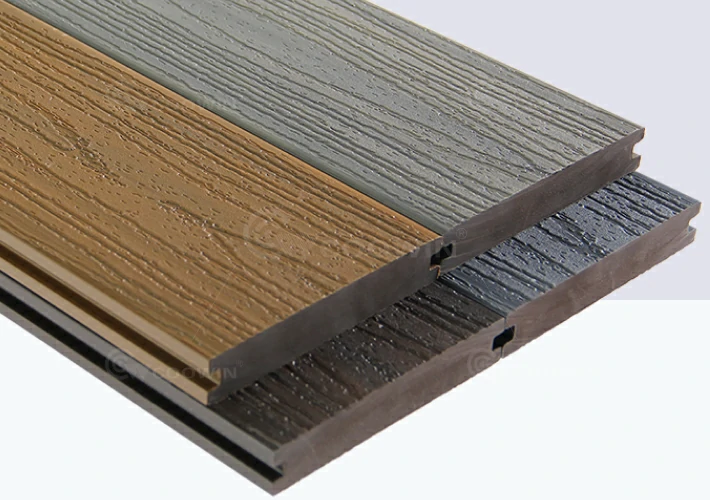
The growing demand for composite decking materials is largely driven by their ability to solve many of the common problems associated with natural wood. Traditional timber decking often faces issues such as rotting, splintering, insect infestation, and color fading due to constant exposure to sunlight and moisture. In contrast, composite decking materials are designed to withstand these challenges, making them a reliable solution for long-term outdoor use.
Another defining feature of composite decking materials is their aesthetic flexibility. Manufacturers produce boards in a wide range of textures and finishes that replicate the natural grain of hardwood while also offering modern design options. This allows homeowners, architects, and builders to achieve customized outdoor designs that suit both contemporary and traditional architectural styles. As a result, composite decking materials have become a preferred choice for patios, garden decks, balconies, and poolside installations.
How Do Composite Decking Materials Improve Strength and Longevity?
One of the most important advantages of composite decking materials is their exceptional durability compared to conventional wood decking. These materials are engineered to resist weather-related damage, including heavy rainfall, extreme heat, and freezing conditions. Unlike natural wood, which expands and contracts with moisture changes, composite decking materials maintain structural stability over time, reducing the risk of warping and cracking.
This long-lasting performance is especially beneficial in outdoor environments where surfaces are constantly exposed to environmental stress. Composite decking materials do not absorb water in the same way as wood, which helps prevent rot and decay. This moisture resistance ensures that outdoor decking systems remain strong and visually appealing for many years without the need for intensive maintenance.
In addition to weather resistance, composite decking materials also offer strong protection against pests and biological damage. Termites, wood borers, and fungal growth are common problems in traditional wooden structures, but composite materials eliminate these risks by removing natural wood vulnerability. This makes them particularly suitable for humid or coastal regions where such issues are more prevalent.
Another important factor in their longevity is UV resistance. High-quality composite decking materials are designed to withstand prolonged exposure to sunlight without significant fading. While natural wood often loses its original color and requires regular staining, composite decking retains its appearance for longer periods, helping maintain a fresh and uniform outdoor look.
The low maintenance requirement of composite decking materials also contributes to their long-term value. Homeowners do not need to sand, seal, or paint the surface regularly, which significantly reduces upkeep efforts and costs. Simple cleaning with water and mild detergent is usually enough to keep the surface in good condition, making it an ideal solution for modern lifestyles.
Where Are Composite Decking Materials Used in Outdoor Design?
Composite decking materials are widely used across various residential and commercial outdoor projects due to their versatility and performance. In residential applications, they are commonly installed in backyard decks, garden patios, rooftop terraces, and outdoor seating areas. These spaces benefit greatly from the combination of durability and aesthetic appeal that composite materials provide.
In backyard landscaping, composite decking materials are often used to create functional outdoor living zones. These include dining areas, lounge spaces, and entertainment decks where families gather for social activities. The smooth and splinter-free surface enhances comfort, making it safe for barefoot use and ideal for children and pets.
Composite decking materials are also extensively used in commercial environments such as hotels, resorts, restaurants, and recreational parks. These locations require outdoor flooring systems that can handle heavy foot traffic while maintaining a high-end appearance. Composite decking meets these demands by offering a stable, attractive, and long-lasting surface that reduces maintenance costs for property owners.
Poolside areas are another major application for composite decking materials. Their slip-resistant surface and moisture resistance make them particularly suitable for wet environments. Unlike traditional wood, which can become slippery and degrade quickly around water, composite decking maintains its structural integrity and safety features, making it a preferred choice for swimming pool surroundings and spa decks.
Urban architectural projects also incorporate composite decking materials in rooftop gardens and balcony extensions. These elevated outdoor spaces benefit from lightweight yet strong materials that do not overload structural systems. Composite decking provides an elegant solution that enhances city living spaces by adding green and recreational areas without compromising durability.
Are Composite Decking Materials a Sustainable Investment for the Future?
Composite decking materials are not only valued for their performance but also for their environmental benefits. Many modern manufacturers use recycled plastics and reclaimed wood fibers in the production process, reducing waste and promoting sustainable construction practices. This makes composite decking materials a more eco-conscious alternative compared to traditional hardwood decking, which often relies on deforestation.
The sustainability aspect of composite decking materials is further enhanced by their long service life. Because they do not require frequent replacement or intensive maintenance, they help reduce material consumption over time. This contributes to lower environmental impact and supports greener building standards in residential and commercial developments.
From a financial perspective, composite decking materials offer strong long-term value. Although the initial installation cost may be higher than natural wood, the reduced maintenance, repair, and replacement expenses make them more cost-efficient over time. Homeowners and businesses benefit from lower lifecycle costs while enjoying a high-quality outdoor surface that remains visually appealing for years.
Conclusion: Why Composite Decking Materials Continue to Lead Outdoor Innovation
Composite decking materials have transformed the way outdoor spaces are designed and built, offering a perfect balance between durability, aesthetics, and sustainability. Their advanced composition allows them to outperform traditional wood in terms of weather resistance, maintenance, and lifespan, making them a practical solution for modern construction needs.
Whether used in residential backyards, commercial landscapes, or urban rooftop projects, composite decking materials provide a reliable and attractive flooring option that adapts to different environments. Their eco-friendly production methods and long-term cost efficiency further strengthen their position as a leading choice in outdoor building materials.

 Arabic
 French
 Spanish
 Portuguese
 Deutsch
 Turkish
 Dutch
Dutch
 Italiano
 Russian
 Romaian
 Portuguese (Brazil)
 Greek
Greek