
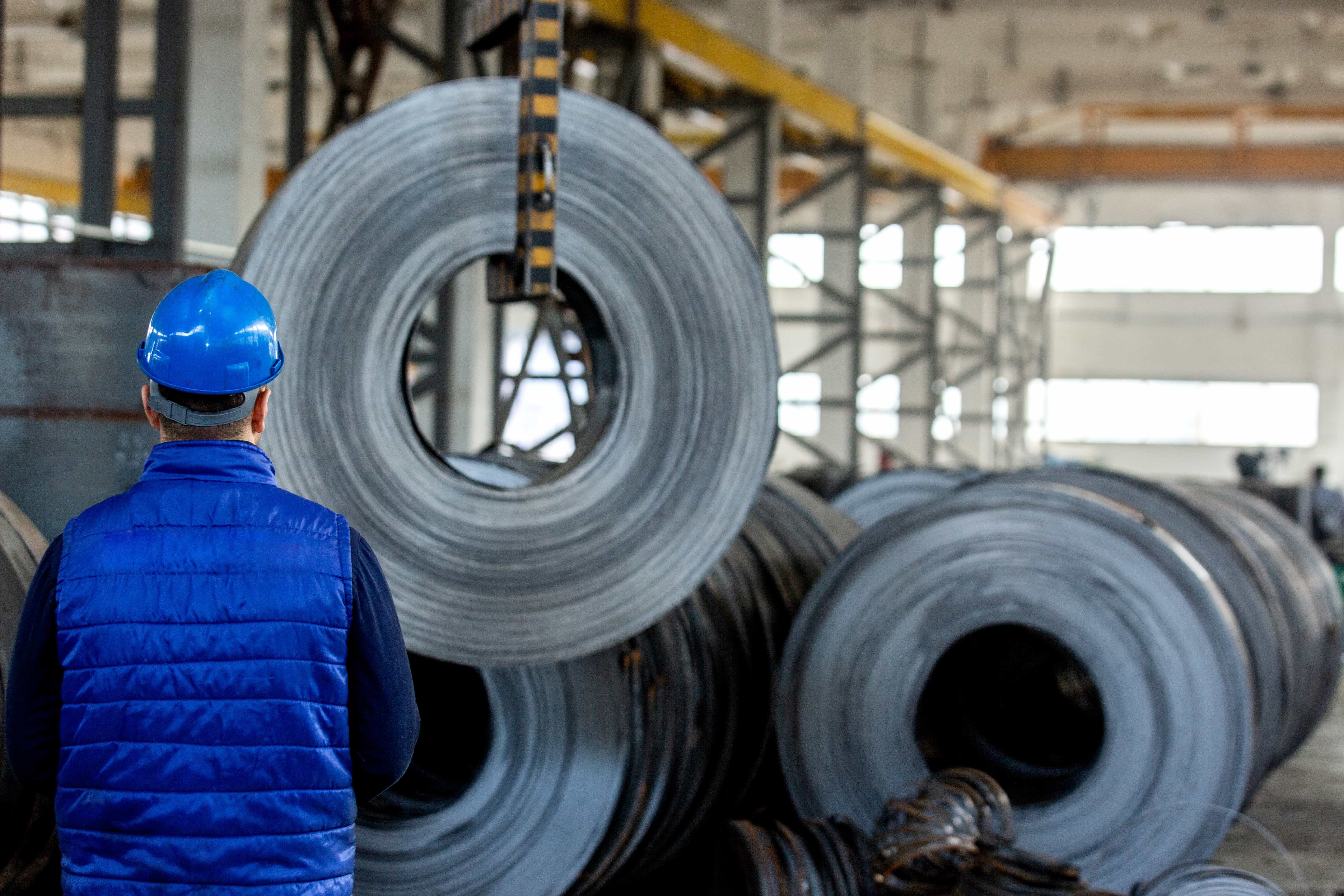
Mild Steel is one of the most widely used engineering materials across the world due to its strength, affordability, and versatility. From construction and automotive manufacturing to household appliances and industrial machinery, this material plays a critical role in modern infrastructure. Its balanced mechanical properties and easy workability make it a preferred choice for manufacturers and fabricators alike.
In this blog, we will explore what mild steel is, its key properties, common applications, and why it remains an essential material in various industries.
What is Mild Steel?
Mild Steel is a type of carbon steel that contains a low percentage of carbon, typically between 0.05% and 0.25%. This lower carbon content makes the steel more ductile, malleable, and easier to weld compared to high-carbon steel.
It is commonly produced in the form of sheets, bars, pipes, structural sections, and plates. Due to its adaptability, mild steel is extensively used in fabrication and structural engineering projects.
Key Properties of Mild Steel
1. High Strength and Durability
Mild steel offers excellent tensile strength, making it suitable for structural applications where durability and load-bearing capacity are essential. It can withstand mechanical stress without cracking easily.
2. Excellent Weldability
One of the biggest advantages of mild steel is its easy weldability. Since it has low carbon content, it can be welded using most conventional welding techniques without compromising structural integrity.
3. Cost-Effective Material
Compared to stainless steel and alloy steel, mild steel is significantly more affordable. Its lower production cost makes it ideal for large-scale industrial and construction applications.
4. Easy Machining and Fabrication
Mild steel can be cut, drilled, bent, and shaped easily. This flexibility allows manufacturers to create customized components for different industries.
5. Recyclability
Steel is one of the most recyclable materials in the world. Mild steel can be reused and repurposed multiple times, contributing to sustainable manufacturing practices.
Common Applications of Mild Steel
Construction Industry
The construction sector heavily relies on mild steel for beams, columns, reinforcement bars, and structural frameworks. Its strength and affordability make it suitable for residential, commercial, and industrial buildings.
Automotive Manufacturing
Automobile manufacturers use mild steel for vehicle body parts, chassis, panels, and structural components because of its impact resistance and formability.
Machinery and Equipment
Industrial machinery, agricultural equipment, storage tanks, and pipelines are often manufactured using mild steel due to its durability and ease of fabrication.
Furniture and Home Appliances
Many household products such as shelves, cabinets, gates, and furniture frames are made from mild steel because it offers both strength and aesthetic versatility.
Advantages of Using Mild Steel
Using mild steel provides several long-term benefits for industries and manufacturers:
- Affordable and readily available
- Strong and durable for heavy-duty applications
- Easy to weld and fabricate
- Suitable for mass production
- Recyclable and environmentally friendly
These advantages make it a dependable material across multiple sectors.
Mild Steel vs Stainless Steel
Although both materials are widely used, they differ significantly in composition and applications. Mild steel is more economical and easier to fabricate, while stainless steel offers better corrosion resistance due to its chromium content.
For applications requiring affordability and structural strength, mild steel is often the preferred option. However, for environments exposed to moisture or chemicals, stainless steel may be more suitable.
Conclusion
Mild Steel continues to be one of the most important materials in engineering and manufacturing because of its excellent balance of strength, flexibility, and affordability. Its wide range of applications across construction, automotive, industrial, and domestic sectors highlights its unmatched versatility.
As industries continue to evolve, the demand for durable and cost-effective materials like mild steel is expected to grow even further, making it an essential component of modern development.

 English
 Arabic
 French
 Spanish
 Portuguese
 Deutsch
 Turkish
 Dutch
Dutch
 Russian
 Romaian
 Portuguese (Brazil)
 Greek
Greek