
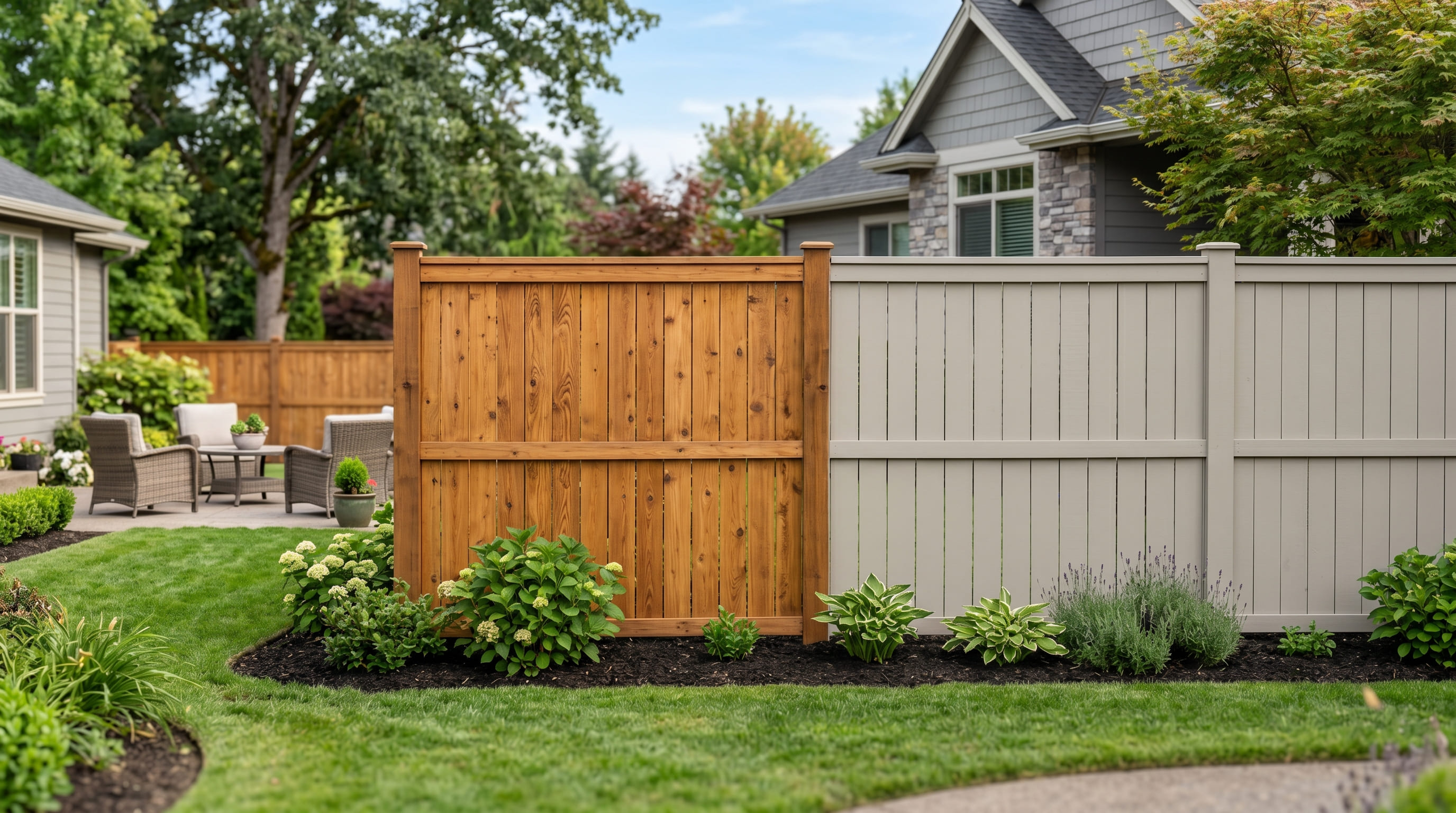
Key differences between staining and painting fences
Fence staining is known for enhancing natural wood grain and allowing the material to breathe, which helps with long term wood preservation. Painting on the other hand creates a protective layer that hides imperfections and offers a wide range of color choices. Stain often requires less maintenance over time while paint may need more frequent touch ups depending on exposure and surface preparation quality.
Maintenance and long term care considerations
Maintenance plays a major role in deciding between fence staining and painting. Stained fences typically require periodic reapplication to maintain color richness and protection from moisture and sun exposure. Painted fences may last longer initially but can show peeling or chipping if not maintained properly. Regular inspection, cleaning, and timely touch ups help extend the life of both finishes. Proper exterior wood coating practices improve durability and reduce long term repair costs.
Choosing the right option for your home exterior wood surfaces
Selecting the right finish for fences and outdoor wood structures depends on several factors including desired appearance, maintenance expectations, and environmental exposure. Fence staining is often preferred for homeowners who want a natural look that highlights wood texture and grain. Painting is suitable for those who prefer solid color coverage and design uniformity across exterior surfaces. Both options contribute to curb appeal and property value when applied correctly. Another tip is to consider the type of wood used, as some woods absorb stain better while others respond well to paint adhesion. Proper preparation, including sanding, cleaning, and priming when needed, ensures better results and longer lasting protection for exterior wood surfaces.
Benefits of staining versus painting in outdoor wood care
Fence staining offers a more natural appearance and allows wood to expand and contract without surface cracking. Painting provides a solid protective barrier and can better mask surface imperfections. Both finishes support exterior wood protection, but the choice depends on desired maintenance level and visual preference. Stain is often favored for wood preservation while paint is chosen for decorative uniformity.
Long term performance and durability insights
Long term performance depends on application quality and ongoing care. Fence staining generally fades gradually and can be refreshed without heavy surface preparation. Painting may last longer in some cases but can require scraping and repainting when deterioration occurs. Consistent cleaning and inspection help maintain both finishes. Exterior wood maintenance ensures lasting beauty and structural protection. Proper planning improves overall service life and reduces repair needs.
Reach out to get guidance on fence staining and painting options for your home exterior wood surfaces and improve long term durability and appearance with Fence Staining Services.
FAQs
Fence staining meaning explained
Fence staining refers to applying a protective wood stain that enhances natural grain and improves moisture resistance.
Painting benefits for fences
Painting provides a solid color finish, improved surface protection, and helps cover imperfections on exterior wood surfaces.
Which lasts longer staining or painting
Both can last depending on maintenance, paint may last longer initially while stain is easier to refresh.
Maintenance needs for fences
Regular cleaning and inspection help extend the life of both staining and painting finishes.
Does fence staining improve property value
Yes, it enhances curb appeal and supports overall exterior wood preservation which can increase property value.
Best choice for natural wood look
Fence staining is preferred for a natural appearance that highlights wood texture and grain.

 English
 Arabic
 French
 Spanish
 Portuguese
 Deutsch
 Dutch
Dutch
 Italiano
 Russian
 Romaian
 Portuguese (Brazil)
 Greek
Greek