
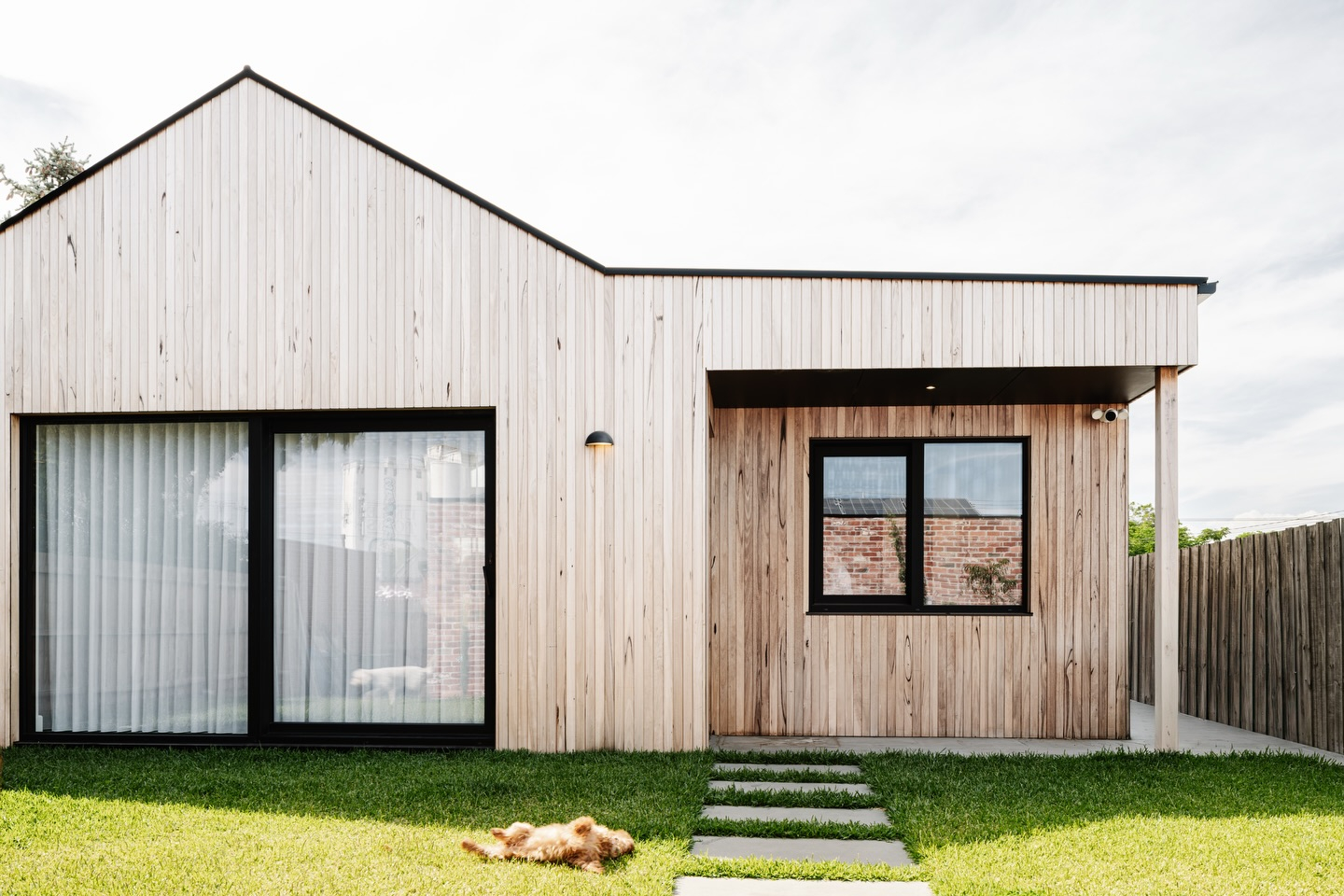
In 2026, the idea of environmentally friendly houses isn’t just about slapping solar panels on a roof and calling it a day. It’s gotten more layered than that. More practical, too, in a way. People are asking harder questions now. Like… does this house actually waste less energy, or is it just dressed up to look green? Let’s be real, the difference matters more than ever.
It Starts With How the House Breathes and Holds Heat
First thing people often miss is the building envelope. Sounds technical, but it’s just how the house holds air and temperature. In simple terms, a good eco-friendly home doesn’t leak warmth in winter or swallow heat in summer. Walls, windows, insulation… all of it has to work together. Not separately. Triple-glazed windows are becoming more common now, and yeah, they cost more, but they change the game. Less heating. Less cooling. Less noise, too, which people don’t talk about enough. Truth is, if the structure is sloppy, nothing else really saves it. Not solar, not smart gadgets. The house just keeps wasting energy quietly in the background.
Materials That Don’t Carry Heavy Environmental Baggage
This part gets overlooked a lot. What the house is actually made of. Concrete still dominates, but more builders are mixing in recycled steel, low-carbon cement, and timber from responsibly managed forests. Some are even experimenting with hemp-based materials and natural insulation. Sounds a bit “future talk,” but it’s already happening. The goal is simple. Reduce embodied carbon. That’s the emissions locked into the materials before you even move in. And yeah, not every material choice is perfect. Some trade-offs exist. But environmentally friendly design in 2026 is more about reducing harm overall, not chasing perfection in one area.
Energy Systems That Actually Pull Their Weight
Now we get to the obvious stuff: energy use. Solar panels are basically standard at this point. But the real shift is in how homes store and manage that energy. Battery systems are getting smarter, smaller, and more affordable. Homes aren’t just generating power anymore, they’re deciding when to use it. Heat pumps are another big one. They’ve quietly replaced old heating systems in a lot of modern builds. Efficient, steady, not flashy. But here’s the catch—tech alone doesn’t fix bad design. A poorly built house with good tech is still kind of… inefficient. Just slightly less so.
Water Use and the Quiet Efficiency Game
People don’t think about water enough when they talk about sustainability. But it’s a huge part of it. Low-flow fixtures, rainwater harvesting, and greywater recycling systems. These things are becoming more normal, not niche. In some regions, they’re basically expected now. The interesting part is how subtle it feels. You don’t really notice a well-designed water system working. And that’s the point. Less waste without changing how you live day to day. Still, not every system is worth installing everywhere. Climate matters. Usage matters. One-size-fits-all doesn’t really work here.
Where Builders Like Carland Constructions Fit In
This is where things get more grounded. Companies like Carland Constructions are part of a shift toward more thoughtful building practices. Not just ticking boxes for energy ratings, but actually thinking through how homes behave over decades, not just opening day. There’s more focus now on Passive House principles, airtight construction, proper orientation, and reducing thermal bridging. Sounds a bit technical again, but it’s really just about not wasting what you’ve already built. And honestly, the better builders are the ones sweating the small stuff. The tiny gaps. The insulation details nobody sees. That’s where efficiency is won or lost. It’s not flashy work. But it matters.
Smart Home Systems That Don’t Complicate Life
Smart homes used to feel like a gimmick. Now they’re just… normal. Lighting that adjusts based on daylight. Heating that learns your schedule. Appliances that run when energy demand is low. All of that reduces strain on the grid and your bills. But here’s the thing—overcomplicating it backfires. If a system is too complex, people stop using it properly. Then efficiency drops. So the best setups in 2026 are actually kind of invisible. They just work in the background without demanding attention. Simple is still winning, even in smart tech.
Location and Design Still Matter More Than Gadgets
This part gets ignored in glossy marketing, but it shouldn’t. Where a house sits changes everything. Sun path, wind direction, and shade from nearby buildings or trees. A well-placed home can cut energy use before you even add systems. Design matters too. Open layouts can help with airflow. Strategic window placement reduces the need for artificial lighting during the day. No gadget can fully fix bad orientation. That’s just reality. You can stack tech on top, sure, but good passive design is still the backbone of anything truly efficient.
Maintenance and Long-Term Thinking (The Unsexy Part)
Nobody likes talking about maintenance. But this is where a lot of “green homes” quietly fail. Filters get ignored. Seals degrade. Solar systems lose efficiency if they’re never checked. Even the best-built house drifts off performance over time if it’s neglected. Environmental friendliness isn’t a one-time achievement. It’s ongoing. A lot of homeowners don’t realize that. They think the build is the finish line. It’s not. It’s the starting point.
Conclusion: It’s Not One Feature, It’s the Whole System
So what really makes a house environmentally friendly in 2026? The short answer… everything working together. Not just one upgrade or one technology. A tight building envelope, smarter energy use, responsible materials, thoughtful design, and yes, consistent maintenance. Strip any one of those out, and the whole thing weakens a bit. Let’s be honest, there’s no perfect eco-house. Just better ones. Houses that waste less, adapt more, and don’t fight the environment at every turn. This is the approach that companies like Carland Constructions are helping bring into modern residential building, focusing on practical solutions that improve efficiency without overcomplicating the process. And maybe that’s the real shift happening now. Less hype. More practicality. Homes that just quietly do their job without draining the planet while they’re at it.

 English
 Arabic
 French
 Spanish
 Portuguese
 Deutsch
 Turkish
 Dutch
Dutch
 Italiano
 Romaian
 Portuguese (Brazil)
 Greek
Greek