
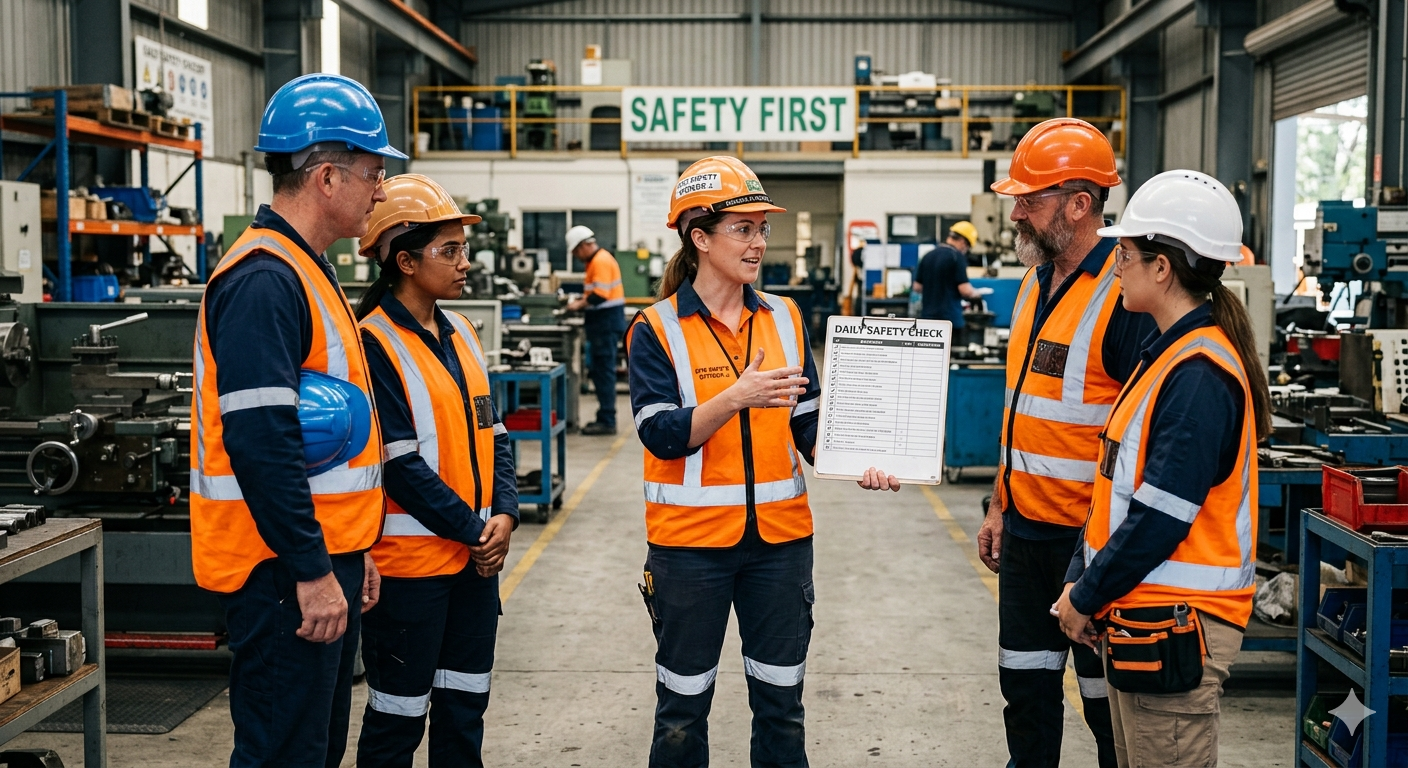
Workplace safety is no longer limited to compliance departments or large industrial sites. Today, organizations across construction, manufacturing, healthcare, logistics, education, and corporate sectors recognize that safe working environments contribute to productivity, employee wellbeing, and operational continuity.
For students, early-career professionals, and experienced employees seeking new opportunities, health and safety qualifications can open doors to diverse roles. Before choosing a training pathway, many learners compare factors such as learning outcomes, industry recognition, and IOSH Course fees to determine which option aligns with their career goals.
An IOSH qualification provides practical knowledge that applies across industries. Whether you want to enhance your current role or transition into a safety-focused career, understanding the opportunities available after completing an IOSH course can help you plan your next step.
What Is an IOSH Course?
The Institution of Occupational Safety and Health, commonly known as IOSH, is a globally recognized professional body for workplace health and safety.
IOSH courses are designed to help learners understand workplace hazards, risk management principles, and safe working practices. Unlike highly technical qualifications intended solely for safety specialists, IOSH programs focus on practical knowledge that can be applied immediately in real-world settings.
Popular IOSH courses include:
-
IOSH Working Safely
-
IOSH Managing Safely
-
IOSH Leading Safely
Each course targets different levels of responsibility, from frontline employees to managers and supervisors.
Why Employers Value IOSH Qualifications?
Modern employers seek professionals who understand how to identify hazards, reduce risks, and contribute to a positive safety culture.
An IOSH qualification demonstrates that you can:
-
Recognize common workplace hazards
-
Follow safe systems of work
-
Support compliance with health and safety requirements
-
Communicate safety concerns effectively
-
Contribute to incident prevention
For example, a warehouse supervisor who completes IOSH Managing Safely may become more confident in conducting risk assessments and implementing safer workflows. These skills are valuable across industries, regardless of job title.
Industries That Recruit IOSH-Certified Professionals
One of the biggest advantages of an IOSH qualification is its versatility.
Construction
Construction sites involve numerous risks, including working at height, heavy machinery operations, and manual handling activities.
Employers often prefer candidates with IOSH training for roles such as:
-
Site supervisors
-
Safety coordinators
-
Project assistants
-
Construction managers
Manufacturing
Manufacturing facilities rely on safe procedures to minimize incidents and maintain efficient operations.
IOSH-trained professionals can support:
-
Production teams
-
Quality assurance departments
-
Maintenance operations
-
Shift management
Oil and Gas
The oil and gas sector places significant emphasis on risk management and safety awareness.
IOSH qualifications can strengthen applications for positions involving:
-
Field operations
-
Equipment maintenance
-
Site supervision
-
Contractor management
Healthcare
Healthcare settings face unique safety challenges, including infection control, patient handling, and hazardous substances.
Hospitals and healthcare facilities value employees who understand workplace safety principles.
Logistics and Warehousing
From forklift operations to inventory management, logistics environments require careful attention to safety procedures.
IOSH-certified professionals often support:
-
Warehouse operations
-
Transport coordination
-
Distribution management
-
Fleet supervision
Corporate and Office Environments
Workplace safety extends beyond high-risk industries.
Office managers, HR professionals, and facilities teams benefit from IOSH knowledge related to ergonomics, fire safety, and employee wellbeing.
Career Opportunities After Completing an IOSH Course
An IOSH qualification can strengthen your profile for both existing and new career paths.
Health and Safety Assistant
This entry-level role involves supporting safety initiatives, maintaining records, and assisting with workplace inspections.
Professionals in this role often work closely with senior safety officers and gain practical experience.
Safety Coordinator
Safety coordinators help implement policies, organize training sessions, and monitor compliance activities.
This position suits individuals who enjoy communication and process improvement.
Site Supervisor
Supervisors with safety knowledge are highly valued because they oversee daily operations while ensuring safe work practices.
An IOSH qualification helps supervisors identify potential risks before they lead to incidents.
Operations Manager
Operational leaders who understand safety management can create more efficient and secure workplaces.
Many organizations encourage managers to complete IOSH training to strengthen leadership capabilities.
Human Resources Professional
HR teams increasingly contribute to workplace wellbeing initiatives and compliance processes.
Understanding health and safety responsibilities helps HR professionals support employees more effectively.
Facilities Manager
Facilities managers oversee building maintenance, contractor activities, and emergency preparedness.
IOSH knowledge can help them manage risks across diverse workplace environments.
How IOSH Training Supports Career Growth
An IOSH qualification does more than improve your resume.
It can help you develop transferable skills that remain relevant throughout your career.
These include:
-
Problem-solving
-
Risk assessment
-
Communication
-
Leadership
-
Decision-making
-
Incident prevention
Consider the example of Ahmed, a production team leader in a manufacturing company. After completing IOSH Managing Safely, he introduced clearer reporting procedures for near misses and improved communication during shift handovers.
Within a year, he took on additional responsibilities related to workplace safety and advanced into a supervisory role.
While career progression depends on experience, industry, and organizational needs, safety awareness often distinguishes candidates from their peers.
Can an IOSH Course Lead to Advanced Safety Qualifications?
For many learners, IOSH serves as the starting point rather than the final destination.
After gaining experience, some professionals continue their development through advanced health and safety programs.
Common progression pathways include:
-
NEBOSH qualifications
-
Specialized risk management courses
-
Environmental management certifications
-
Occupational health and safety diplomas
An IOSH course provides a strong foundation for understanding essential concepts before progressing to more detailed studies.
Choosing the Right Learning Path
Not all learners have the same career goals.
Someone seeking general workplace awareness may benefit from IOSH Working Safely, while a team leader or supervisor may find IOSH Managing Safely more relevant.
When selecting a training provider, consider factors such as:
-
Trainer experience
-
Accreditation status
-
Learning format
-
Student support services
-
Course materials
-
Assessment methods
Comparing IOSH Course duration and fee information can also help learners understand how different programs fit their schedules and professional development plans.
Quality training focuses on practical application rather than memorization. The best learning experiences use real workplace scenarios that help participants apply safety principles with confidence.
Frequently Asked Questions
Is an IOSH qualification recognized internationally?
Yes. IOSH qualifications are widely recognized across many industries and countries, making them valuable for professionals seeking global career opportunities.
Which IOSH course is best for managers?
IOSH Managing Safely is designed specifically for managers, supervisors, and team leaders who have responsibility for workplace safety.
Can beginners enroll in an IOSH course?
Yes. Many IOSH courses are suitable for beginners and do not require previous health and safety experience.
Does completing an IOSH course guarantee a job?
No qualification guarantees employment. However, IOSH training can strengthen your profile by demonstrating practical safety knowledge and commitment to professional development.
How long does it take to complete an IOSH course?
Course length varies depending on the program and training provider. Some introductory courses can be completed within a day, while management-focused programs may take several days.
Conclusion
Workplace safety skills are becoming increasingly valuable across industries. From construction sites and manufacturing facilities to healthcare organizations and corporate offices, employers need professionals who understand how to create safer working environments.
Completing an IOSH course can help you develop practical skills, enhance your professional credibility, and explore new career opportunities. Whether you are entering the workforce, changing careers, or preparing for a leadership role, health and safety knowledge can support your long-term professional growth.
By selecting the right course and applying what you learn in real workplace situations, you can build a stronger foundation for a safer and more rewarding career.

 English
 Arabic
 French
 Portuguese
 Deutsch
 Turkish
 Dutch
Dutch
 Italiano
 Russian
 Romaian
 Portuguese (Brazil)
 Greek
Greek