
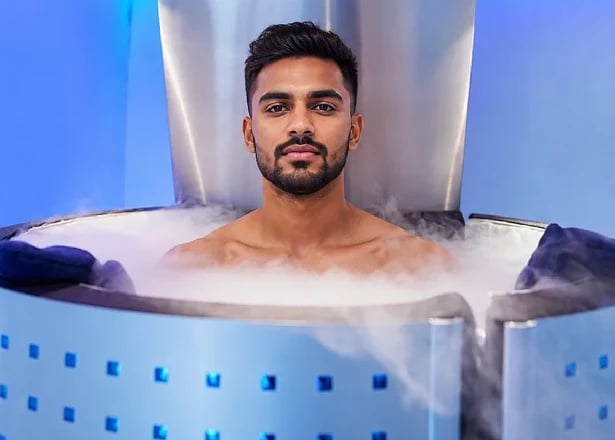
Recovery is just as important as training when it comes to maintaining an active and healthy lifestyle. Whether you're an athlete recovering from intense workouts, someone managing chronic pain, or simply looking for a natural way to improve overall wellness, cryotherapy has become one of the most popular recovery treatments in recent years.
From reducing muscle soreness to easing joint pain and supporting faster recovery, cryotherapy is widely used by professional athletes, fitness enthusiasts, and individuals seeking non-invasive pain relief. But what exactly is cryotherapy, and how does it work?
In this guide, we'll explore the benefits, uses, and science behind cryotherapy, helping you understand why it has become an essential part of modern rehabilitation and wellness.
What Is Cryotherapy?
Cryotherapy is a treatment that uses extremely cold temperatures for a short period to help reduce inflammation, relieve pain, and promote recovery. The term "cryo" comes from the Greek word meaning "cold."
During a whole body cryotherapy session, the body is briefly exposed to very low temperatures, typically ranging from -110°C to -140°C, for about two to four minutes. These controlled temperatures stimulate the body's natural healing response without causing tissue damage.
Cryotherapy can also be applied locally to specific areas of the body, such as the knee, shoulder, back, or ankle, depending on the condition being treated.
How Does Cryotherapy Work?
When your body is exposed to extreme cold, it immediately responds by narrowing blood vessels, a process called vasoconstriction. This helps reduce inflammation and temporarily decreases blood flow to affected tissues.
Once the session ends and your body begins to warm up, the blood vessels widen again. Fresh oxygen-rich blood flows back into the muscles and joints, delivering nutrients that support healing while helping remove metabolic waste products.
Cryotherapy may also:
-
Reduce inflammation
-
Decrease muscle soreness
-
Minimize swelling
-
Improve circulation after treatment
-
Stimulate the release of endorphins
-
Reduce pain signals
-
Support faster muscle recovery
This natural response is one reason why cryotherapy has become a popular recovery tool for athletes and individuals recovering from injuries.
Benefits of Cryotherapy
1. Reduces Pain Naturally
One of the biggest advantages of cryotherapy treatment is its ability to relieve pain without medication.
Cold exposure temporarily numbs nerve endings, making it effective for managing:
-
Joint pain
-
Muscle pain
-
Back pain
-
Neck pain
-
Knee pain
-
Shoulder pain
Many people choose cryotherapy as part of a comprehensive pain management plan.
2. Speeds Up Muscle Recovery
After intense exercise, muscles develop tiny microscopic tears that require time to heal.
Cryotherapy helps reduce post-workout soreness, allowing athletes and fitness enthusiasts to recover more comfortably and return to training sooner.
3. Helps Reduce Inflammation
Inflammation is a natural healing response, but excessive inflammation may slow recovery and increase discomfort.
Cryotherapy helps manage inflammation associated with:
-
Sports injuries
-
Overuse injuries
-
Muscle strains
-
Tendon injuries
-
Joint conditions
4. Supports Sports Injury Rehabilitation
Athletes commonly use cryotherapy for sports injuries because it complements physiotherapy and rehabilitation programs.
It can be helpful during recovery from:
-
ACL injuries
-
Ankle sprains
-
Tennis elbow
-
Rotator cuff injuries
-
Hamstring strains
-
Runner's knee
When combined with physiotherapy, cryotherapy may improve overall recovery outcomes.
5. Improves Athletic Performance
Regular recovery allows athletes to train consistently.
By reducing soreness and fatigue, cryotherapy helps many athletes maintain performance levels while lowering the risk of overuse injuries.
6. May Help with Chronic Pain
People living with chronic musculoskeletal pain often use cryotherapy alongside physiotherapy to help manage symptoms.
It may provide temporary relief for conditions including:
-
Arthritis
-
Chronic back pain
-
Joint stiffness
-
Tendon disorders
-
Muscle tightness
7. Promotes General Wellness
Many people report feeling refreshed and energized after cryotherapy sessions.
Although research is still evolving, regular sessions may support:
-
Better recovery
-
Reduced fatigue
-
Improved mobility
-
Enhanced overall well-being
Common Uses of Cryotherapy
Cryotherapy is widely used across sports medicine, rehabilitation, and wellness.
Common applications include:
-
Sports recovery
-
Muscle soreness
-
Joint pain
-
Inflammation management
-
Athletic recovery
-
Rehabilitation after injury
-
Chronic pain management
-
Exercise recovery
-
Muscle fatigue
-
Soft tissue injuries
Who Can Benefit from Cryotherapy?
Cryotherapy may be suitable for:
-
Professional athletes
-
Recreational sports players
-
Gym enthusiasts
-
Runners
-
Office workers with muscle stiffness
-
Individuals recovering from injuries
-
People experiencing chronic joint pain
-
Active older adults
However, treatment recommendations should always be based on an individual assessment.
Cryotherapy vs Ice Bath
Many people compare whole body cryotherapy with traditional ice baths.
| Cryotherapy | Ice Bath |
| Lasts 2 to 4 minutes | Usually 10 to 20 minutes |
| Dry cold exposure | Water immersion |
| Extremely low temperatures | Cold water temperatures |
| More comfortable for many people | Can feel physically uncomfortable |
| Often used alongside physiotherapy | Commonly used after sporting events |
Both methods can support recovery, but cryotherapy offers a shorter and more convenient treatment experience.
Is Cryotherapy Safe?
Cryotherapy is generally considered safe when performed under professional supervision using approved equipment.
Before treatment, a healthcare professional should review your medical history to determine whether cryotherapy is appropriate.
Individuals with certain cardiovascular conditions, uncontrolled hypertension, severe cold sensitivity, or specific medical conditions may not be suitable candidates.
Always seek treatment from trained professionals.
How Cryotherapy Complements Physiotherapy
Cryotherapy works best as part of a broader rehabilitation program rather than as a standalone treatment.
Physiotherapists often combine cryotherapy with:
-
Manual therapy
-
Exercise therapy
-
Mobility training
-
Strengthening exercises
-
Stretching
-
Balance training
-
Functional rehabilitation
Together, these treatments help address both symptoms and the underlying cause of pain or injury.
Tips Before Your Cryotherapy Session
To get the most from your treatment:
-
Wear comfortable clothing.
-
Remove any metal accessories.
-
Stay dry before entering the chamber.
-
Follow all instructions from your therapist.
-
Stay hydrated.
-
Inform your therapist about any medical conditions.
Choosing the Right Cryotherapy Clinic
If you're considering cryotherapy in Noida, choose a clinic with trained professionals, modern equipment, personalized treatment plans, and experience in sports rehabilitation and pain management.
Movement With Physios offers evidence-based cryotherapy alongside physiotherapy, helping individuals manage pain, reduce inflammation, recover from injuries, and improve physical performance.
Conclusion
Cryotherapy has become an increasingly popular recovery treatment because it offers a fast, non-invasive way to reduce pain, manage inflammation, and support muscle recovery. Whether you're an athlete looking to enhance performance, recovering from a sports injury, or managing chronic joint pain, cryotherapy can be a valuable addition to a comprehensive rehabilitation plan.
While cryotherapy provides many benefits, it works best when combined with expert physiotherapy, exercise therapy, and a personalised recovery program. Consulting qualified healthcare professionals ensures that the treatment is safe, appropriate, and tailored to your individual needs, helping you recover more effectively and stay active for the long term.

 English
 Arabic
 French
 Spanish
 Portuguese
 Turkish
 Dutch
Dutch
 Italiano
 Russian
 Romaian
 Portuguese (Brazil)
 Greek
Greek