
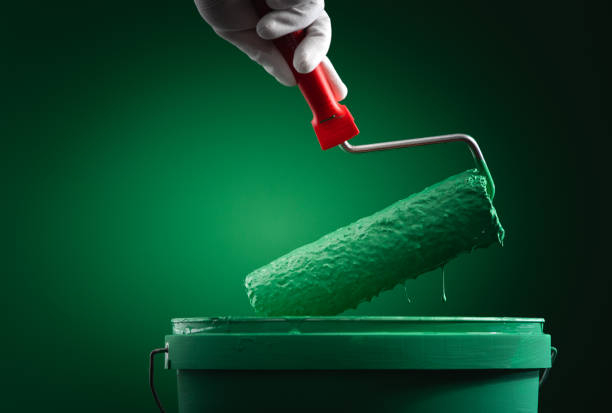
Most crews don’t think about supplies until something runs out mid-job. That’s usually when things go sideways. Delays, extra store runs, wasted labor… it adds up fast. Somewhere along the line, a lot of contractors start shifting how they buy, especially when they realize how much smoother things run with bulk paint rollers already on hand. It’s not just about saving a few bucks per unit. It changes how jobs flow, how crews work, even how you bid. Sounds small. It’s not.
The Job Site Feels Different When You’re Not Running Out
Running out of materials kills momentum. Everyone who’s been on a job site knows that feeling. You’re halfway through a wall, things are going fine, then boom—no rollers left worth using. Now someone’s driving to a store, traffic hits, crew stands around pretending to stay busy. When you start ordering in bulk, that kind of problem mostly disappears. You’ve got what you need, sitting there, ready. No scrambling. The work just keeps moving, and honestly, that alone is worth it.
Less Time Shopping, More Time Working
Trips to the supply store don’t seem like a big deal until you actually track them. One here, one there… suddenly it’s hours every week. And that’s not cheap time either. Skilled guys shouldn’t be wandering aisles looking for decent rollers. Bulk ordering cuts that out almost completely. You plan ahead, stock up, and move on. It’s simple, but it frees up time in a way people don’t expect. Less running around, more actual work getting done. That’s the whole point, right?
Consistency Starts Showing in the Finish
Here’s something that doesn’t get talked about enough. When you’re buying supplies piece by piece, quality can bounce around. One batch of rollers feels fine, the next one sheds like crazy. Different brands, different nap thickness, different results. It shows on the wall whether you like it or not. Bulk buying usually means you stick with one product that you know works. Same rollers, same results, less guesswork. It tightens up your finish over time. Clients might not know why your work looks better, but they notice.
Bulk Buying Changes How You Budget Jobs
At first, dropping more cash upfront can feel rough. No way around that. But once you get used to it, the math starts making sense. Buying in volume almost always lowers the cost per unit. Over a few jobs, that difference adds up more than people expect. And it gives you more control when you’re estimating. You know your supply costs aren’t jumping around every week. That makes your bids tighter, more predictable. Less guessing, fewer surprises later.
Crews Work Faster When Tools Are Reliable
Not all rollers are created equal, and yeah, everyone says that, but it’s true. Cheap or inconsistent tools slow people down. They press harder, go over spots again, deal with lint or uneven coverage. It’s annoying and it eats time. When you’ve got a steady stock of good rollers from a bulk order, the crew gets into a rhythm. Load, roll, move on. No second-guessing the tools. It sounds basic, but that kind of flow is where jobs actually speed up.
Scaling Jobs Becomes Way Easier
Taking on bigger jobs gets tricky when your supply chain is shaky. If you’re constantly depending on local stock or last-minute buys, scaling up is stressful. Bulk ordering changes that. You’re not hoping the store has what you need—you already have it. That confidence lets you say yes to larger projects. Or stack multiple jobs without worrying about shortages. It’s one of those behind-the-scenes shifts that makes growth feel a lot less chaotic.
Why Bigger Tools Start Making More Sense Too
Once you’re thinking in bulk, you start looking at efficiency differently. Bigger rollers, wider coverage, fewer passes. That’s where something like an 18 inch paint roller starts to stand out. It’s not for every job, sure, but on big open walls, it cuts time in a real way. Fewer strokes, faster coverage. And if you’re already buying in volume, it’s easier to justify having those options on hand instead of making do with whatever’s available that day.
Storage, Planning, and a Bit of Discipline
It’s not all upside. Bulk ordering means you need space to store materials, and you’ve got to stay organized. Otherwise it turns into a mess pretty quick. Boxes stacked in corners, stuff getting damaged or forgotten. That part matters more than people think. You don’t need a warehouse, but you do need a system. Keep track of what you’ve got, rotate stock, don’t overbuy junk just because it’s cheap. A little discipline goes a long way here.
Conclusion
At the end of the day, bulk ordering isn’t just a purchasing decision. It’s more like a shift in how you run your jobs. Less scrambling, more planning. Fewer delays, better consistency. Yeah, it takes a bit of adjustment at first, and you might mess it up once or twice. Happens. But once it clicks, it’s hard to go back. Jobs feel smoother. Crews stay productive. And you stop wasting time on problems that shouldn’t have been there in the first place.

 English
 Arabic
 French
 Spanish
 Portuguese
 Deutsch
 Turkish
 Italiano
 Russian
 Romaian
 Portuguese (Brazil)
 Greek
Greek