
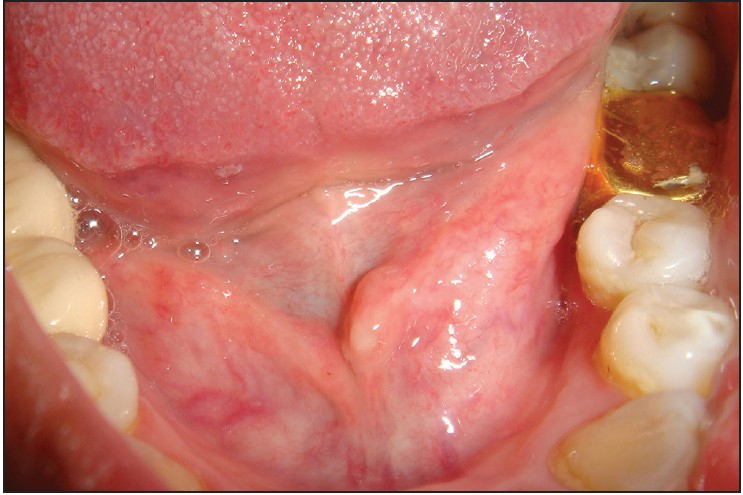
Salivary glands play an essential role in our overall health. They produce saliva, which helps in digestion, maintains oral hygiene, and lubricates the mouth. When these glands experience dysfunction, it can lead to a variety of symptoms that affect both your oral and overall health. This blog will explore the causes, symptoms, and diagnostic approaches to salivary gland disorders. By understanding these conditions, you can take proactive steps towards maintaining a healthy mouth and seek the appropriate treatment when necessary.
What Are Salivary Glands?
Salivary glands are responsible for producing saliva that aids in digestion and helps keep the mouth moist. There are three major pairs of salivary glands:
- Parotid Glands: Located in front of and below the ears, these are the largest salivary glands.
- Submandibular Glands: Situated under the jaw, these glands produce a significant portion of saliva.
- Sublingual Glands: Located under the tongue, they produce a smaller amount of saliva compared to the other glands.
Saliva plays a vital role in breaking down food, keeping the mouth clean, and protecting the teeth from decay. When these glands become infected, inflamed, or blocked, it can lead to salivary gland disorders.
Causes of Salivary Gland Disorders
Several factors can lead to salivary gland dysfunction. Some of the most common causes include:
- Infections
- Viral Infections: Viruses like the mumps can affect the salivary glands, leading to painful swelling.
- Bacterial Infections: Blockages in the salivary ducts can cause bacterial infections, leading to inflammation and swelling.
A lack of fluids can reduce saliva production, making it harder for your salivary glands to function properly. Dehydration can lead to a dry mouth, which increases the risk of infections, cavities, and difficulty swallowing. Salivary Stones
Salivary stones (or sialoliths) are hard, calcified deposits that can form in the ducts of the salivary glands. These stones block the flow of saliva, leading to pain, swelling, and dry mouth. Autoimmune Diseases
Conditions like Sjögren's syndrome, where the body's immune system attacks the salivary glands, can lead to dry mouth, difficulty swallowing, and a heightened risk of tooth decay and oral infections. Tumors
Both benign and malignant tumors can develop in the salivary glands. While most salivary gland tumors are benign, they can still cause pain and swelling. Malignant tumors may lead to more severe complications, requiring prompt treatment. Medications
Certain medications, particularly those that cause dry mouth as a side effect, can affect the functioning of the salivary glands. These medications include antihistamines, decongestants, and medications for high blood pressure or depression. Radiation Therapy
Radiation treatment for cancers in the head and neck can damage the salivary glands, leading to long-term dry mouth and reduced saliva production.
Symptoms of Salivary Gland Disorders
Salivary gland disorders can present with a range of symptoms depending on the underlying cause. Some common symptoms include:
- Swelling
The most common symptom of a salivary gland disorder is swelling of the affected gland. This swelling may be painful or tender to the touch and can cause difficulty swallowing or opening your mouth. - Dry Mouth
A reduction in saliva production often leads to a dry mouth, which can make speaking, swallowing, and even eating uncomfortable. You may also experience a sore throat or a sticky feeling in the mouth. - Pain
Pain or discomfort in the mouth, jaw, or neck may be present. This is especially true in cases of salivary stones, infections, or inflammation. - Bad Breath
The lack of sufficient saliva to wash away bacteria in the mouth can result in bad breath, a condition known as halitosis. - Difficulty Swallowing
Dry mouth or swelling of the salivary glands can make swallowing difficult or uncomfortable. - Fever
If an infection is the cause of the salivary gland disorder, you may experience fever and general malaise.
Diagnosis of Salivary Gland Disorders
Diagnosing salivary gland disorders involves a thorough examination by a healthcare professional. Your doctor will likely perform the following steps:
- Medical History and Symptoms Review
The doctor will begin by asking about your symptoms, medical history, and any medications you may be taking. This helps identify any underlying conditions that could be contributing to the disorder. - Physical Examination
A physical exam will be conducted to check for signs of swelling, tenderness, or infection in the salivary glands. - Imaging Tests
Imaging studies like X-rays, CT scans, or MRIs can help identify blockages, tumors, or abnormalities in the salivary glands. - Sialography
This is a specialized imaging technique that uses a contrast dye injected into the salivary duct to create detailed images of the gland and ducts. It is often used when there is a suspicion of a blockage. - Biopsy
If a tumor or growth is suspected, a biopsy may be performed to determine whether it is benign or malignant. - Salivary Flow Test
This test measures the amount of saliva produced by the glands and helps determine whether there is a reduction in saliva production due to a disorder.
Treatment for Salivary Gland Disorders
The treatment for salivary gland disorders depends on the underlying cause of the problem. Some of the most common treatment approaches include:
- Hydration
Drinking plenty of fluids is crucial for keeping the salivary glands functioning properly. If dehydration is the issue, increasing water intake can help alleviate symptoms. - Massage and Warm Compresses
Gentle massage of the affected gland and applying warm compresses can help stimulate saliva flow and reduce swelling. - Medications
- Antibiotics: If a bacterial infection is present, antibiotics may be prescribed to treat the infection.
- Saliva Substitutes: In cases of dry mouth, saliva substitutes can provide temporary relief.
- Steroids: For autoimmune-related inflammation, corticosteroids may be prescribed to reduce inflammation in the glands.
In some cases, surgery may be required to remove salivary stones or tumors. This can help restore normal saliva production and alleviate pain and discomfort. Book an Appointment with the Best ENT Specialist through Instacare
If you’re experiencing persistent symptoms of a salivary gland disorder, it’s essential to consult with a qualified ENT specialist for a proper diagnosis and treatment plan. With Instacare, you can easily book an appointment with the best ENT specialists in your area, ensuring you receive the highest level of care.
Conclusion
Salivary gland disorders, while often uncomfortable, are manageable with the right treatment. Whether caused by infections, dehydration, autoimmune diseases, or tumors, identifying the underlying cause is the key to effective treatment. If you experience persistent symptoms like swelling, dry mouth, or pain, it’s important to seek medical attention promptly. Through early diagnosis and treatment, you can alleviate symptoms and improve your oral health and overall well-being.
FAQs
Can salivary gland disorders lead to permanent damage?
If left untreated, severe salivary gland disorders, such as infections or tumors, can lead to permanent damage. Early diagnosis and treatment are essential to prevent complications.
Are there any home remedies for relieving salivary gland disorders?
Drinking plenty of water, using warm compresses, and gently massaging the affected gland can provide relief from some symptoms of salivary gland disorders. However, professional medical advice is necessary for proper treatment.
How can I prevent salivary gland disorders?
Maintaining proper hydration, practicing good oral hygiene, and avoiding medications that cause dry mouth can help prevent many salivary gland disorders. Regular dental and medical check-ups are also important for early detection.

 Arabic
 French
 Spanish
 Portuguese
 Deutsch
 Turkish
 Dutch
Dutch
 Italiano
 Russian
 Romaian
 Portuguese (Brazil)
 Greek
Greek