
Business Intelligence (BI) reporting is a critical process that enables organizations to collect, analyze, and present data in structured formats to support decision-making. In today’s competitive environment, companies rely heavily on accurate and timely reports to track performance, identify trends, forecast outcomes, and optimize operations.
Business intelligence reporting transforms raw data from multiple systems into meaningful reports, dashboards, and visual summaries. These reports help leaders understand what is happening within the organization and why it is happening — enabling smarter and faster strategic decisions.
What is Business Intelligence Reporting?
Business intelligence reporting refers to the systematic process of gathering data from various sources, analyzing it, and presenting it in a structured format such as charts, tables, dashboards, or summaries. It provides insights into performance metrics, financial data, operational efficiency, customer behavior, and market trends.
Modern BI tools like Microsoft Power BI, Tableau, and SAP BusinessObjects enable organizations to automate reporting processes and generate real-time insights.
Instead of manually compiling spreadsheets, businesses can now access automated reports that update dynamically as new data becomes available.
Key Components of Business Intelligence Reporting
1. Data Collection
Data is gathered from multiple sources such as CRM systems, ERP platforms, cloud databases, spreadsheets, and external APIs.
2. Data Processing and Cleaning
Raw data is cleaned and standardized to ensure accuracy and consistency.
3. Data Analysis
Analytical tools process the data to identify patterns, correlations, and trends.
4. Data Visualization
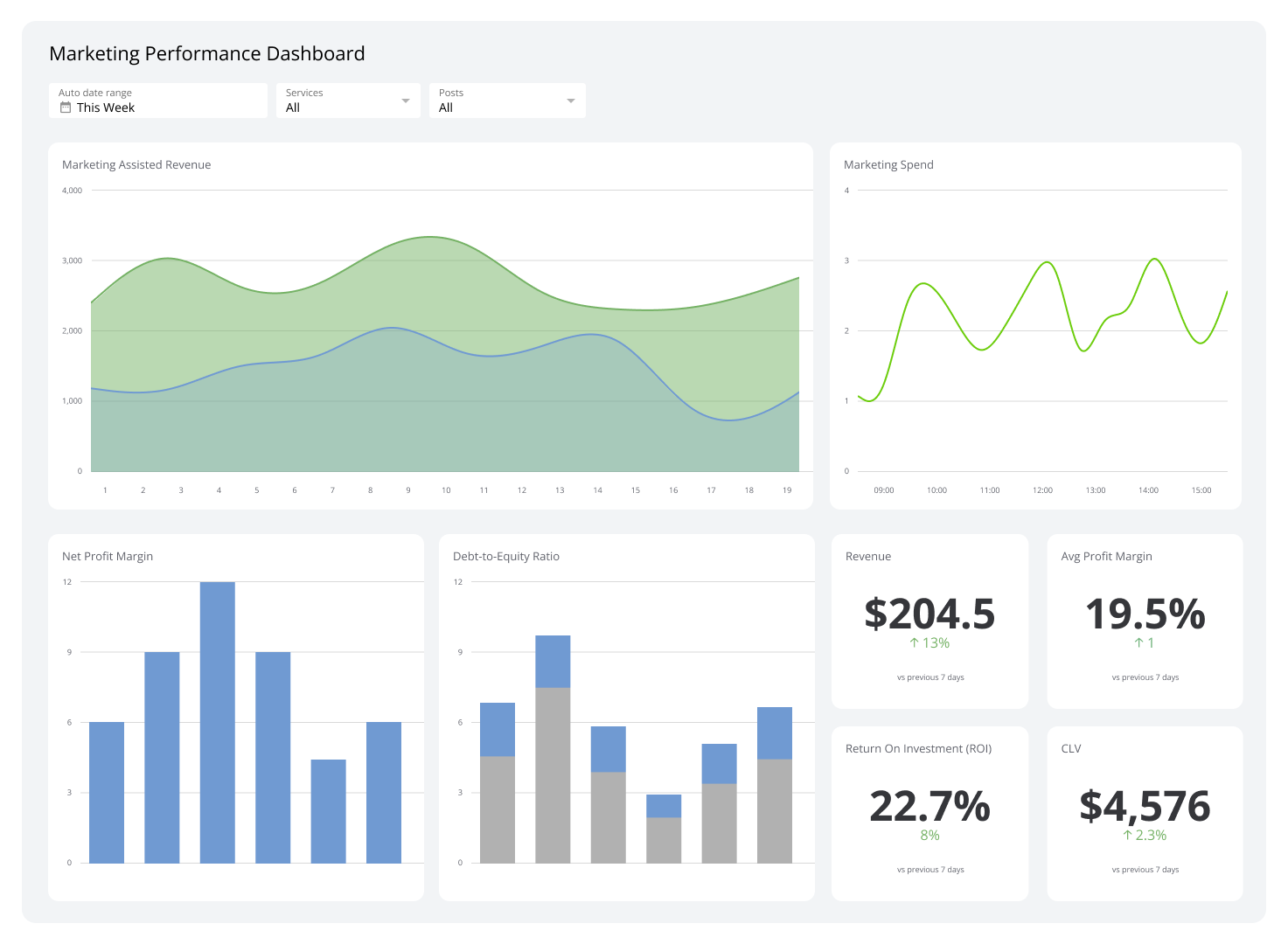
Information is presented through visual elements such as graphs, charts, scorecards, and KPI dashboards.
5. Report Distribution
Reports are shared with stakeholders through dashboards, scheduled emails, or cloud platforms.
Types of Business Intelligence Reports

Operational Reports
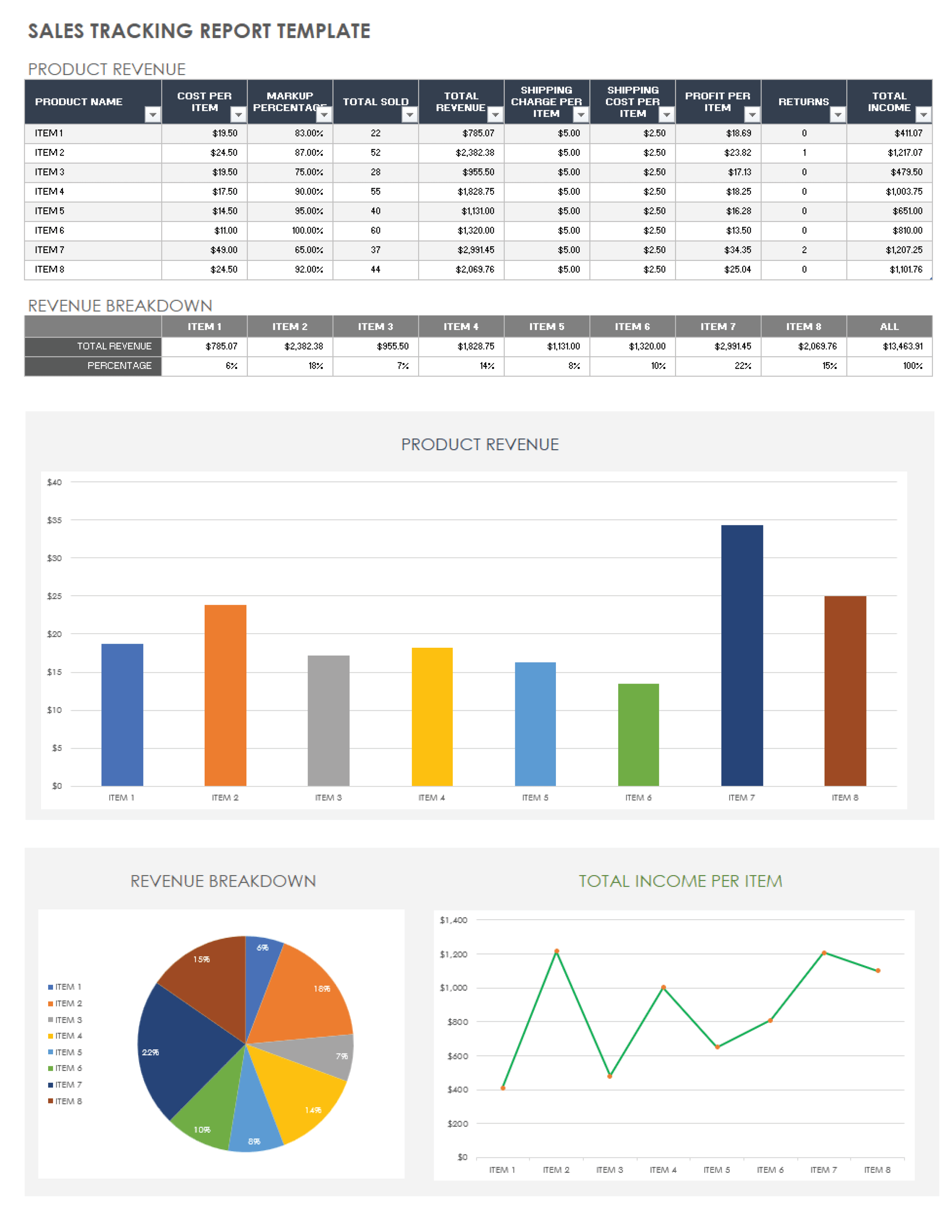
Focus on daily business activities such as sales performance, inventory levels, and service efficiency.
Financial Reports
Include income statements, balance sheets, revenue analysis, expense tracking, and profitability reports.
Strategic Reports
Provide high-level insights for executives to guide long-term planning and business growth.
Analytical Reports
Used for deep data exploration, forecasting, and predictive analysis.
Benefits of Business Intelligence Reporting
Improved Decision-Making
Accurate and timely reports enable leaders to make informed strategic choices.
Increased Efficiency
Automation reduces manual reporting tasks and saves time.
Real-Time Insights
Businesses can respond quickly to market changes with live data updates.
Better Performance Tracking
Organizations can monitor KPIs and measure progress toward goals.
Enhanced Data Transparency
Shared reporting systems improve collaboration and accountability across teams.
Business Intelligence Reporting Across Industries
Retail
Analyze sales trends, customer buying behavior, and seasonal demand.
Healthcare
Monitor patient data, hospital efficiency, and treatment outcomes.
Manufacturing
Track production performance, supply chain efficiency, and downtime.
Finance
Evaluate cash flow, risk analysis, and investment performance.
Marketing
Measure campaign effectiveness, conversion rates, and ROI.
Best Practices for Effective BI Reporting
-
Define Clear Objectives – Align reports with business goals.
-
Focus on Relevant KPIs – Avoid overloading reports with unnecessary data.
-
Ensure Data Accuracy – Maintain clean and reliable data sources.
-
Use Clear Visualizations – Design easy-to-understand charts and dashboards.
-
Automate Where Possible – Schedule regular report updates to save time.
A well-structured BI reporting strategy ensures that stakeholders receive the right information at the right time.
Challenges in Business Intelligence Reporting
-
Data silos and fragmented systems
-
Poor data quality
-
Lack of user training
-
Security and compliance concerns
Overcoming these challenges requires strong data governance policies and effective BI tool implementation.
Future Trends in Business Intelligence Reporting
The future of BI reporting includes AI-powered analytics, natural language queries, predictive forecasting, and cloud-based scalability. Advanced tools will continue to integrate machine learning algorithms that automatically detect trends and anomalies, helping businesses anticipate changes before they occur.
Conclusion
Business intelligence reporting is a foundational element of modern data-driven organizations. By transforming raw data into structured, actionable insights, BI reporting empowers businesses to improve performance, optimize operations, and gain competitive advantages.
With the right tools, clear objectives, and a strong data strategy, organizations can unlock the full potential of their information assets. As digital transformation accelerates, business intelligence reporting will remain essential for informed decision-making and sustainable growth.

 English
 Arabic
 Spanish
 Portuguese
 Deutsch
 Turkish
 Dutch
Dutch
 Italiano
 Russian
 Romaian
 Portuguese (Brazil)
 Greek
Greek