
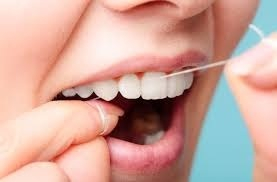
A brighter smile isn’t just about whitening treatments — it starts with proper daily oral care. One common question many people ask is: Floss Before or After Brushing for the best results? While both habits are essential, the order you follow can influence how effectively plaque is removed and how clean your teeth truly feel. Understanding the science behind flossing and brushing can help you maintain healthier teeth and a naturally brighter smile.
Let’s explore what really works best.
Why Order Plays a Role in Smile Brightness
When considering Floss Before or After Brushing, it’s helpful to understand how staining and plaque buildup occur. Throughout the day, food particles and bacteria accumulate on and between your teeth. If not removed properly, they form plaque, which can dull your enamel and lead to discoloration over time.
Brushing removes surface plaque and helps polish enamel. However, toothbrush bristles cannot always reach tight spaces between teeth. That’s where flossing becomes essential.
Flossing first removes trapped debris and plaque from between teeth. When you brush afterward, you clean away loosened particles and distribute fluoride more evenly. This can enhance the overall cleanliness of your teeth and support a brighter appearance.
Even though whitening products can improve tooth shade, consistent plaque removal is the real foundation of a naturally bright smile.
Benefits of Flossing Before Brushing
Dentists often recommend flossing first when discussing Floss Before or After Brushing. This approach offers several advantages for maintaining both oral health and visual brightness.
First, flossing clears hidden plaque before brushing begins. This allows your toothbrush to reach more surfaces and work more effectively. When plaque is removed thoroughly, teeth appear cleaner and smoother.
Second, brushing after flossing allows fluoride toothpaste to coat the enamel between teeth more efficiently. Stronger enamel resists staining better and maintains a healthier shine.
Third, flossing first may reduce gum inflammation. Healthy gums frame your teeth properly, enhancing the appearance of your smile.
Lastly, beginning your routine with floss helps prevent skipping it. Many people brush and feel finished, leaving flossing undone. Starting with floss ensures it becomes a consistent part of your oral care routine.
These small improvements add up over time, contributing to healthier and brighter teeth.
Professional Recommendations for Optimal Results
When patients ask about Floss Before or After Brushing, dental professionals emphasize consistency and proper technique above all. However, many experts now favor flossing first for improved cleaning performance.
According to professionals at Broadway Family Dentists, flossing before brushing enhances plaque removal and allows toothpaste to reach areas between teeth more effectively. They also highlight the importance of correct flossing technique.
To floss properly, gently guide the floss between teeth, curve it around each tooth in a C-shape, and move it up and down to remove plaque. Avoid snapping floss against your gums to prevent irritation.
After flossing, brush for two full minutes using fluoride toothpaste. Clean all surfaces — front, back, and chewing areas — using gentle circular motions.
Professional cleanings every six months also play a key role in maintaining a bright smile by removing hardened tartar that daily brushing cannot eliminate.
Is Brushing First Still Effective?
If you currently brush before flossing, you may wonder whether you need to change your routine. When evaluating Floss Before or After Brushing, remember that performing both daily is far more important than strict sequencing.
Brushing first still removes surface plaque and helps polish enamel. Flossing afterward clears debris between teeth, which also contributes to a cleaner appearance.
While research suggests flossing first may enhance fluoride effectiveness slightly, brushing first is not harmful. The biggest mistake is skipping flossing entirely.
If brushing first helps you stay consistent, that’s better than abandoning flossing. However, if you’re aiming for maximum plaque removal and optimal enamel protection, switching to flossing first may offer added benefits.
Consistency and technique ultimately determine long-term results.
Building a Routine for a Brighter Smile
Now that you understand the science behind Floss Before or After Brushing, you can refine your daily habits to support a brighter smile.
Start by flossing once per day, preferably in the evening. This removes food particles accumulated throughout the day and reduces bacterial buildup overnight.
Follow with brushing twice daily using fluoride toothpaste. Brush for at least two minutes and avoid aggressive scrubbing, which can damage enamel and dull your smile.
Consider using an electric toothbrush if possible, as it may improve plaque removal. Drinking plenty of water and limiting stain-causing beverages like coffee and soda also helps maintain brightness.
Most importantly, schedule regular dental checkups. Professional cleanings remove stubborn tartar and surface stains, helping your smile look fresher and healthier.
Final Thoughts: What’s Best for a Brighter Smile?
So, what’s the final answer to Floss Before or After Brushing for achieving a brighter smile? Current dental research supports flossing before brushing for improved plaque removal and enhanced fluoride distribution.
Flossing first clears hidden debris, allowing brushing to polish enamel more effectively. While brushing first still provides benefits, flossing before brushing offers a slight advantage for maintaining both oral health and visual brightness.
No matter which order you choose, the key is daily consistency. Floss regularly, brush thoroughly, and visit your dentist for routine care. Small habits practiced consistently are the true secret to a healthier, brighter smile.

 English
 Arabic
 French
 Spanish
 Portuguese
 Deutsch
 Turkish
 Dutch
Dutch
 Italiano
 Russian
 Romaian
 Greek
Greek