
In the world of construction, concrete is a foundational element—literally and figuratively. From residential driveways to massive commercial structures, it plays a critical role in ensuring the durability and stability of any build. But before the first truck of ready-mix arrives on site, there’s a crucial step that can make or break a project’s budget: concrete estimating.
Concrete estimating services provide contractors, builders, and developers with accurate takeoffs that ensure resources are used efficiently, costs remain controlled, and deadlines are met. In this guide, we’ll explore how these services work, why they’re essential, and how they lead to cost-effective construction projects.
What Are Concrete Estimating Services?
Concrete estimating services involve the detailed calculation of all materials, labor, equipment, and overheads needed for a concrete-related scope of work. This includes:
-
Concrete volume calculations (in cubic yards or cubic meters)
-
Rebar and reinforcement estimates
-
Formwork material requirements
-
Labor hours and crew sizes
-
Equipment rental and operational costs
-
Waste factors and contingencies
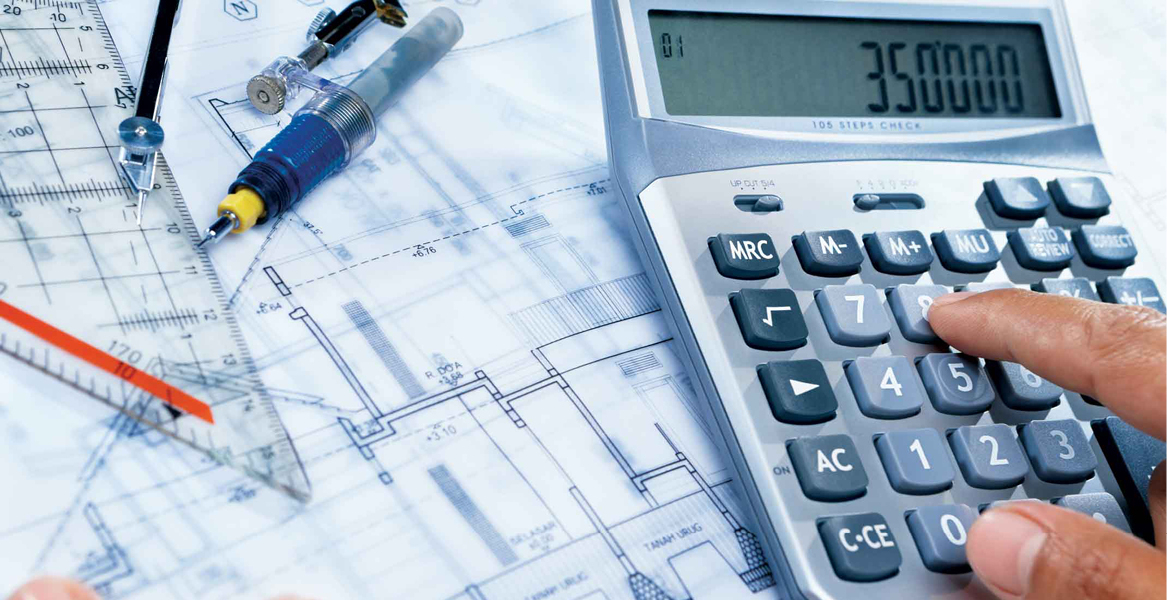
Professional estimators use blueprints, project specifications, and industry pricing databases to create accurate takeoffs. These calculations help contractors submit competitive bids, plan resource allocation, and avoid costly overruns.
Why Accurate Concrete Takeoffs Matter
Errors in estimating can lead to serious consequences for any construction project. Here’s why precision is non-negotiable:
-
Avoid Overordering or Underordering Materials
Ordering too much concrete wastes money, while ordering too little can cause delays and additional costs for extra deliveries. -
Prevent Budget Overruns
Small miscalculations in volume can translate into thousands of dollars lost in materials, labor, and time. -
Improve Bid Competitiveness
Accurate takeoffs enable contractors to submit realistic and competitive bids without risking profit margins. -
Ensure Project Scheduling Accuracy
Knowing the exact labor and equipment requirements prevents scheduling conflicts and idle time.
Key Components of a Concrete Estimate
When professionals prepare a concrete estimate, they focus on several key components:
1. Material Quantities
The most critical part of concrete estimating is determining exact material needs:
-
Concrete mix volume
-
Reinforcing steel (rebar)
-
Wire mesh
-
Formwork panels, ties, and bracing
-
Expansion joints, sealants, and curing compounds
2. Labor Costs
Labor is often one of the largest expenses. Estimators calculate:
-
Number of crew members
-
Skill levels (finishers, laborers, pump operators)
-
Hours required for each task
-
Labor rates based on local wage data
3. Equipment Expenses
Concrete projects require specialized equipment:
-
Concrete pumps
-
Mixers
-
Vibrators
-
Screeds
-
Formwork systems
Estimators factor in rental or operational costs for these tools.
4. Overhead and Contingencies
Professional estimators also account for:
-
Administrative overheads
-
Transportation costs
-
Waste factors (typically 5–10%)
-
Weather or site condition contingencies
The Role of Technology in Concrete Estimating
Modern concrete estimating services leverage advanced software tools to streamline calculations and reduce errors. Some popular estimating software options include:
-
PlanSwift – for quick digital takeoffs from blueprints.
-
Bluebeam Revu – for precise PDF markup and measurement.
-
STACK – for cloud-based estimating and collaboration.
-
On-Screen Takeoff (OST) – for large-scale project bid preparation.
These tools integrate current market pricing databases, allowing estimators to provide cost projections that are both accurate and up to date.
Benefits of Hiring Professional Concrete Estimating Services
Outsourcing your estimating process to experienced professionals offers several advantages:
1. Time Savings
Contractors can focus on operations and client relations while experts handle the technical takeoffs.
2. Bid Accuracy
With detailed, verified estimates, contractors are less likely to underbid or overbid projects.
3. Reduced Overhead
Instead of maintaining an in-house estimating team, outsourcing can lower payroll and training costs.
4. Access to Expertise
Professional estimators have years of industry experience and knowledge of local construction standards.
5. Scalability
Whether you have one project or ten, estimation services can quickly scale to meet your needs.
How Accurate Estimating Leads to Cost-Effective Projects
Accurate concrete estimates don’t just help during bidding—they influence every stage of a project’s lifecycle:
-
Planning Phase – Ensures the right quantities are ordered, preventing wastage.
-
Execution Phase – Keeps labor and equipment usage optimized.
-
Post-Construction – Reduces disputes over final costs and prevents budget creep.
By eliminating guesswork, these services provide a direct path to cost control, resource efficiency, and timely completion.
The Process of Professional Concrete Estimating
While methods vary by firm, a typical concrete estimating workflow includes:
-
Blueprint Review
Studying architectural and structural plans to identify concrete-related elements. -
Quantity Takeoff
Measuring and calculating quantities for concrete, reinforcement, and formwork. -
Cost Calculation
Applying current market rates for materials, labor, and equipment. -
Waste & Contingency Adjustment
Adding buffers for potential overruns or design changes. -
Final Report Preparation
Delivering a detailed estimate with clear breakdowns for client review.
Choosing the Right Concrete Estimating Service
When selecting an estimating partner, look for:
-
Proven Industry Experience – Firms with years in the construction estimating field.
-
Software Capabilities – Use of advanced tools for accuracy.
-
References and Reviews – Positive client feedback.
-
Customization – Ability to tailor estimates to specific project requirements.
-
Fast Turnarounds – Especially important for competitive bidding deadlines.
Conclusion
Concrete estimating services are more than just number crunching—they’re a strategic investment in your project’s success. By ensuring accurate takeoffs and realistic cost projections, these services help contractors win more bids, prevent budget overruns, and deliver projects on schedule.
Whether you’re building a small residential patio or a multi-story commercial complex, partnering with experienced concrete estimators will save you time, money, and stress—ensuring your next project is as solid as the concrete it’s built on.

 English
 Arabic
 French
 Spanish
 Portuguese
 Deutsch
 Turkish
 Italiano
 Russian
 Romaian
 Portuguese (Brazil)
 Greek
Greek