
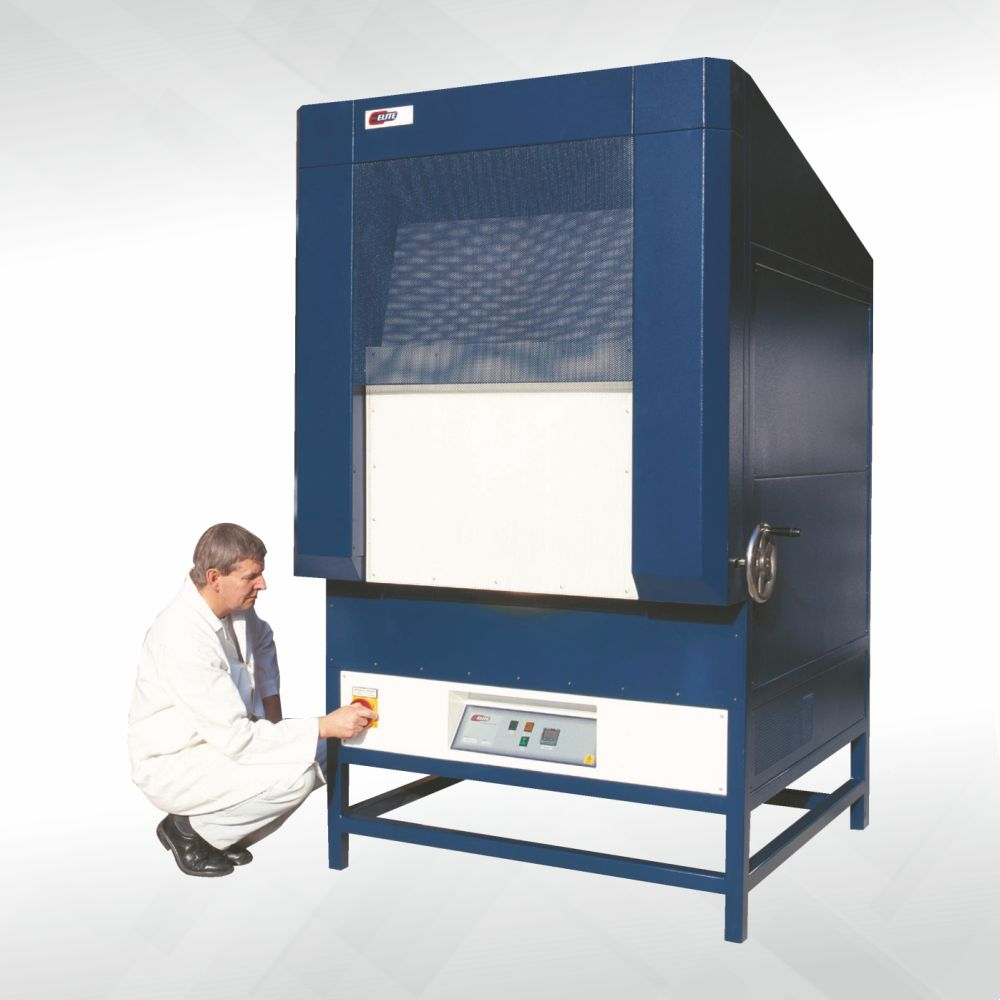
Heat treatment is a critical process used in manufacturing and material science to alter the physical and mechanical properties of materials, especially metals. By carefully controlling heating and cooling cycles, industries can improve strength, hardness, flexibility, and durability.
At the core of this process are industrial furnaces, which provide the controlled environment necessary to achieve accurate and repeatable results.
What Is Heat Treatment?
This process changes the internal structure of the material, allowing manufacturers to achieve desired properties such as:
- Increased hardness
- Improved strength
- Enhanced wear resistance
- Better ductility
Heat treatment is widely used in industries such as automotive, aerospace, construction, and manufacturing.
Common Types of Heat Treatment Processes
Different heat treatment methods are used depending on the required material properties.
Annealing
Annealing involves heating the material and then cooling it slowly. This process softens the material and improves its ductility.
Hardening
Hardening increases the material’s strength by heating it and then rapidly cooling (quenching) it.
Tempering
Tempering is performed after hardening to reduce brittleness while maintaining strength.
Normalizing
Normalizing refines the grain structure of the material, improving uniformity and mechanical properties.
The Role of Industrial Furnaces in Heat Treatment
Industrial furnaces are essential for executing heat treatment processes with precision.
They provide:
- Controlled temperature environments
- Uniform heat distribution
- Programmable heating and cooling cycles
- Safe and efficient operation
Without industrial furnaces, achieving consistent and reliable heat treatment results would not be possible.
Types of Furnaces Used in Heat Treatment
Different furnace types are used depending on the application:
Chamber Furnaces
Used for batch heat treatment processes and general applications.
Tube Furnaces
Ideal for controlled atmosphere heat treatment and precise applications.
Vacuum Furnaces
Used when oxidation or contamination must be avoided.
Continuous Furnaces
Designed for high-volume production with continuous material flow.
Each type ensures specific process control and efficiency.
Why Temperature Control Is Critical
Temperature control is one of the most important aspects of heat treatment.
Accurate control ensures:
- Consistent material properties
- Reduced defects
- Improved product quality
Benefits of Heat Treatment
Heat treatment offers several advantages:
- Improves mechanical properties of materials
- Extends product lifespan
- Enhances resistance to wear and corrosion
- Optimizes performance in demanding applications
These benefits make heat treatment an essential step in many manufacturing processes.
Applications of Heat Treatment
Heat treatment is widely used across industries:
- Automotive – Engine components and gears
- Aerospace – High-performance materials
- Construction – Structural steel components
- Manufacturing – Tools and machinery parts
Industrial furnaces ensure that these applications meet strict quality and performance standards.
Conclusion
Heat treatment is a powerful process that transforms the properties of materials to meet specific industrial needs. By using industrial furnaces, manufacturers can achieve precise, consistent, and high-quality results.
Understanding the role of furnaces in heat treatment helps businesses improve efficiency, product performance, and overall reliability in their operations.

 Arabic
 French
 Spanish
 Portuguese
 Deutsch
 Turkish
 Dutch
Dutch
 Italiano
 Russian
 Romaian
 Portuguese (Brazil)
 Greek
Greek