

Whale watching Gloucester MA isn’t a simple task to complete during your holiday checklist. It is an experience that can be truly amazing… Or really disappointing if you don’t approach it properly. I have experienced both ways. Some people go there, take some pictures, curse the weather, and then get out.
This is far from luck; it lies within the preparation, within the experience itself, and within being open-minded. Gloucester has something raw about it. It isn’t refined in the same manner some other popular seaside resorts are. This is good, although it can also prove quite challenging.
Let’s get straight into it without beating around the bush.
Why Gloucester, MA Actually Matters for Whale Watching
There’s a reason people talk about Gloucester when whales come up. It’s not hype. The waters off the coast sit near Stellwagen Bank, which is basically a feeding ground for whales. Translation: your chances of seeing something big are actually solid.
But there is one thing which you seldom hear. Mother nature works on her schedule, and sometimes, you may be having many whale breaches and tail slaps on some days. Other times, you might need to spend one whole hour to just spot a single blow.
It’s this very unpredictability that helps you experience the real magic of Whale Watching Gloucester MA. This is not a zoo experience nor is anything planned here. And when it happens, it’s worth it.
The Timing Of Your Visit (This Part Really Matters)
It is crucial to choose the right month to visit the place if you want to have a great experience. Ideally, the best periods to visit should be late spring through early fall, from May to October. July and August are peak months.
Morning trips tend to have calmer seas. That helps if you get motion sickness, which… Yeah, it happens more than people admit. Afternoon trips can be warmer, but also choppier sometimes.
And here’s a small tip people overlook—don’t book your whale watch on your last day. Give yourself a buffer day. Weather cancellations are real, and it sucks to miss out just because you tried to squeeze it in.

Picking the Right Whale Watching Tour
Not all tours are equal, even if they look similar online. Some boats are packed. Others give you a bit more breathing room. Some guides are passionate and know their stuff. Others just read off a script.
You want a crew that actually cares. You can tell pretty quickly once you’re on board. Good guides will explain behavior, migration, even individual whales if they recognize them.
Also, don’t get too caught up in price. Saving a few bucks doesn’t matter if you’re stuck behind a crowd of people and can’t see anything.
When you’re doing Whale Watching Gloucester MA, the experience on the boat is just as important as what’s in the water.
What to Bring (Because People Always Get This Wrong)
You’d think this part would be obvious, but it’s not. People show up completely unprepared all the time.
It’s colder on the water. Way colder than you expect, even in summer. Bring layers. A hoodie, windbreaker, something. You’ll thank yourself.
Sunglasses help more than you’d think. The glare off the water gets intense. Sunscreen too, even if it’s cloudy.
And yeah, motion sickness meds if you’re even slightly unsure. Don’t try to tough it out. It ruins the whole trip.
A camera is great, but don’t spend the entire time staring through a screen. You’ll miss the moment itself. Happens more than you think.
Setting Expectations (So You Actually Enjoy It)
This is where people mess up. They expect a National Geographic moment every five minutes. That’s not how this works.
Sometimes you wait. Sometimes you scan the water and see nothing for a bit. Then suddenly—boom—a whale surfaces right next to the boat and everything changes.
The experience is in the waiting too. The ocean, the air, that quiet tension when everyone’s looking out at the horizon. It builds.
If you persevere, you’ll enjoy it more. If you go in demanding constant action, you might leave disappointed.
Understanding Whale Behavior Makes It Better
You don’t need to be a marine biologist, but knowing a little helps. When a guide points out a “fluke dive” or a feeding pattern, it clicks differently if you understand it.
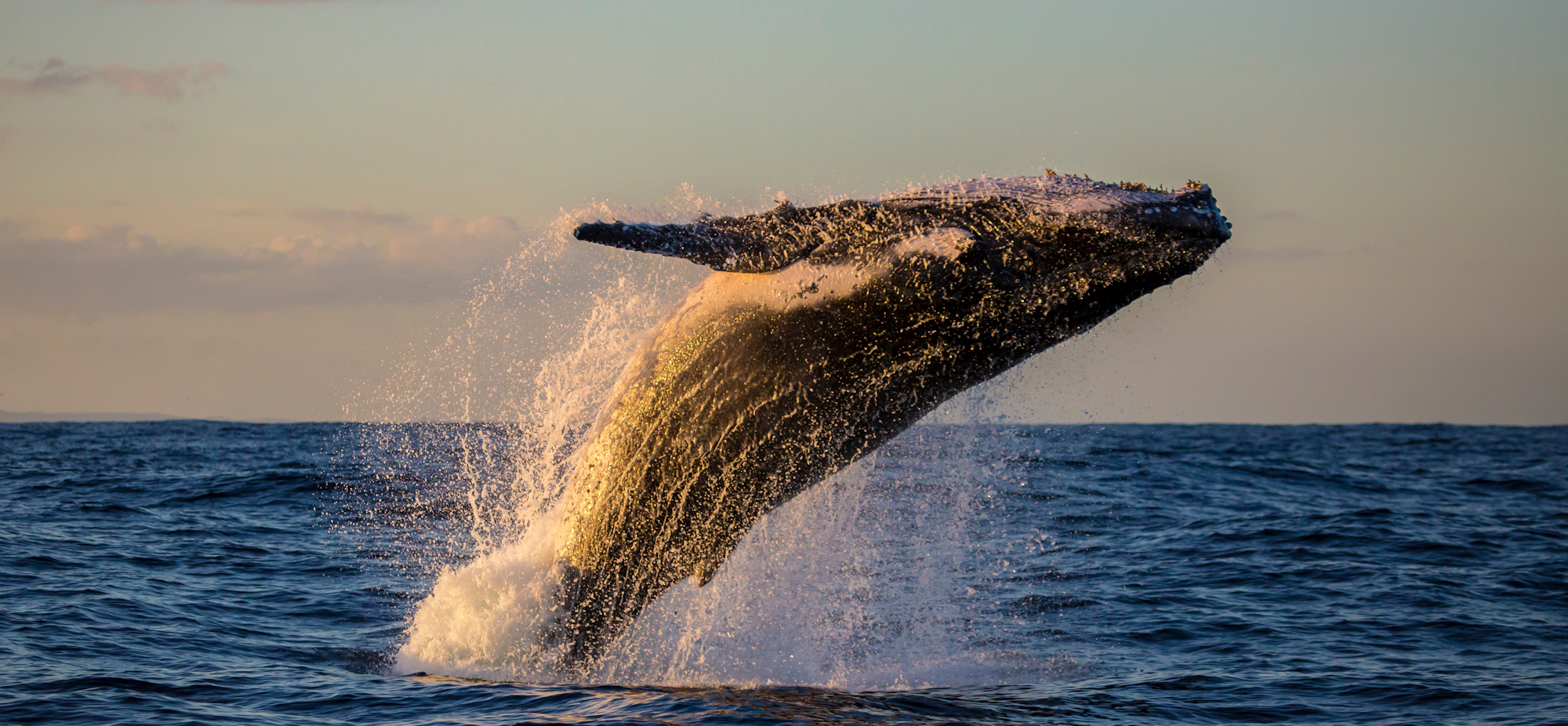
Humpback whales are the stars here. Big, dramatic, they breach, slap their fins, put on a show. Fin whales are faster, more subtle. Minke whales are smaller, a bit harder to spot.
Once you start recognizing patterns, it stops being random. You begin to anticipate. That’s when Whale Watching Gloucester MA shifts from just sightseeing to something deeper.
The Little Moments You Don’t Expect
People focus on whales—and yeah, that’s the main event. But there’s more going on out there.
You might see dolphins riding the wake. Seabirds diving for fish. The coastline fading into the distance in a way that feels oddly peaceful.
There’s a moment, usually halfway through the trip, where everything just slows down. You stop checking your phone. You stop thinking about time.
That’s when it becomes memorable.
Staying Present (This Is Bigger Than It Sounds)
It’s easy to treat the whole thing like a photo mission. Get the shot, post it later, move on.
But honestly, the best parts aren’t always captured well. A whale surfacing close enough that you hear the exhale. That low, heavy sound. It sticks with you.
Try to put the camera down sometimes. Watch with your own eyes. It feels different. More real.
You don’t need a perfect picture to remember something.
Turning It Into a Full Gloucester Experience
If you’re already there, don’t just do the whale tour and leave. That’s missing half the story.
Walk around the harbor. Grab some seafood at a local spot. Gloucester has that working-town feel—fishing boats, salty air, no fake charm.
Visit the beaches. Even just sitting there for a bit changes the pace of your trip. It balances out the excitement of the boat ride.
When you combine all of that, Whale Watching Gloucester MA stops being a single activity and becomes part of something bigger.
Weather, Reality, and Flexibility
Let’s be honest—weather can mess things up. Fog rolls in. Winds pick up. Trips get delayed or canceled.
You can’t control it. But you can plan around it. Stay flexible. Don’t stack your itinerary too tight.
Sometimes a slightly overcast day actually makes the experience better. Less glare, cooler air, fewer crowds.
You learn to roll with it. That’s part of traveling well, not just efficiently.
Going Solo vs With People
Both have their own vibe.
Going solo? You get space to just take it all in. No distractions, no coordination. You move at your own pace. It can be surprisingly calming.
Going with friends or family? The reactions, the shared excitement, the “did you see that?” moments—they hit differently.
There’s no right choice here. Just different experiences. Either way, the whales don’t care. They’ll show up (or not) the same.
When It All Comes Together
There’s a moment on a good day. The boat stops. Everyone goes quiet. Then a whale breaches, full body out of the water, crashes back down.
And for a second, nobody talks. You just hear the splash and the wind.
That’s it. That’s what people remember.
Not the ticket price. Not the schedule. That one moment.
If you approach Whale Watching Gloucester MA the right way, you don’t just see whales. You feel something. And yeah, that sounds a bit cliché, but it’s true.
Conclusion: Where You Stay Shapes the Whole Trip
Here’s something people underestimate—where you stay matters more than you think.
After a long day on the water, you want a place that’s easy, comfortable, not overly complicated. Gloucester has plenty of options, but the simpler ones often feel better.
Look into Gloucester MA motels if you want something practical and close to the action. Nothing fancy, but clean, convenient, and usually run by people who actually know the area.
It keeps the trip grounded. You wake up, grab coffee, and head to the harbor without stress. That rhythm adds to the experience in a quiet way.
And when you think back on the trip later, it all blends together—the ocean, the whales, the town, the small details. That’s what makes it stick.

 Arabic
 French
 Spanish
 Portuguese
 Deutsch
 Turkish
 Dutch
Dutch
 Italiano
 Russian
 Romaian
 Portuguese (Brazil)
 Greek
Greek