
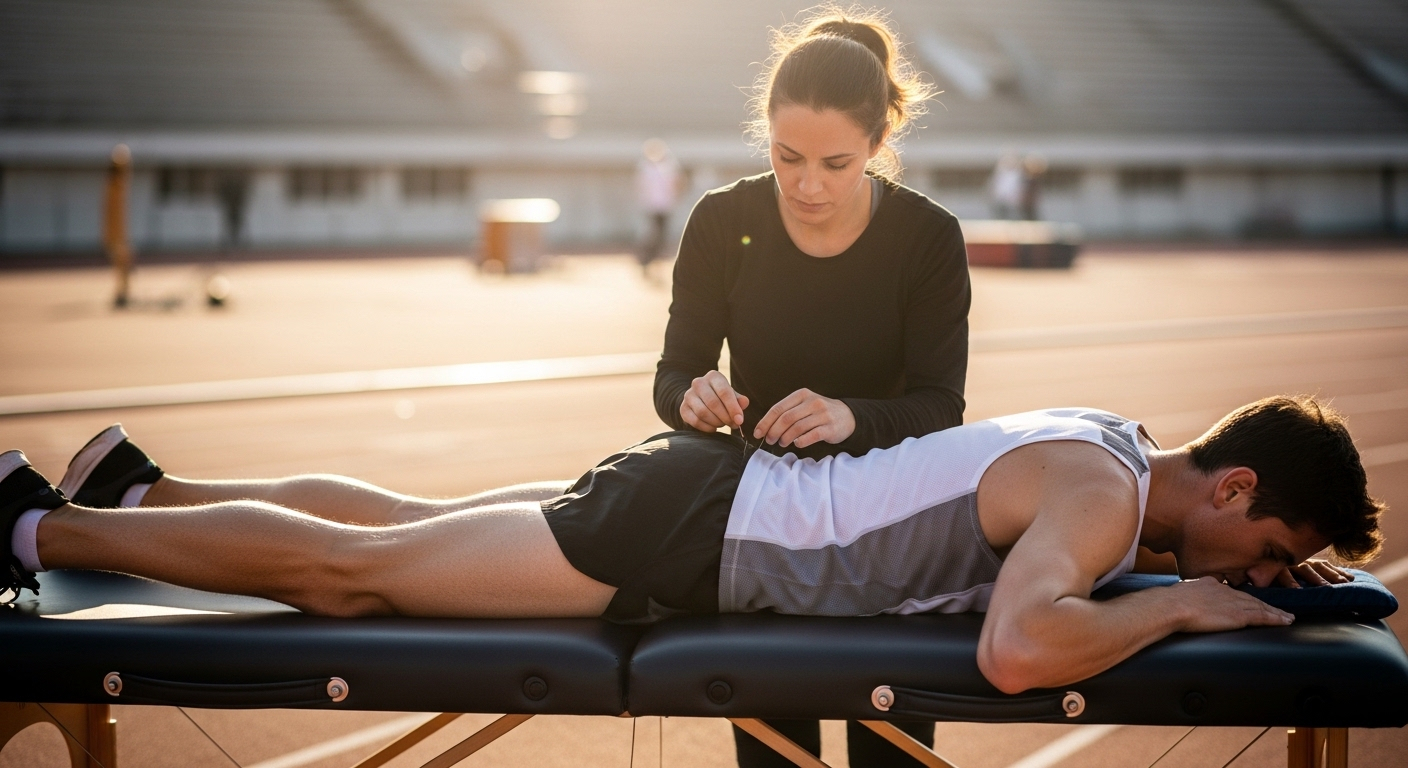
Every athlete knows the frustration of a sports injury. Whether it is a sprained ankle during a weekend pickup game or recurring shoulder pain from years of swimming, the impact on your training, competition, and daily life can be significant. While acute treatments like rest, ice, and compression are standard for immediate relief, some injuries stubbornly refuse to fade. When pain lingers long after the initial injury should have healed, it is time to consider a different approach.
For many active individuals, acupuncture for sports injuries has become a vital tool in bridging the gap between temporary pain relief and long-term functional recovery. Understanding when to shift from basic rehabilitation to acupuncture can be the key to getting you back in the game stronger and more resilient than before.
When Does an Acute Injury Become Persistent?
An acute sports injury occurs suddenly—like a muscle tear or a ligament strain—and typically follows a predictable healing timeline. However, when that pain persists beyond the expected healing period, it enters the realm of chronic or persistent pain.
You should consider seeking specialized care, such as acupuncture, if you recognize these common signs that your injury is not resolving as it should:
-
Pain Lingering Beyond the Expected Timeline: If you are still experiencing significant pain or discomfort weeks or months after an injury that typically heals in days or weeks, the injury may have stalled in its healing process.
-
Pain That Worsens or Recurs with Activity: If your pain consistently flares up whenever you attempt to return to your normal training intensity, it suggests that the underlying structural or inflammatory issue hasn't fully resolved.
-
Stiffness, Swelling, or Reduced Range of Motion: Persistent swelling or a noticeable decrease in flexibility that does not improve with standard rest and physical therapy is a red flag.
-
Compensatory Movement Patterns: Often, our bodies adjust to avoid pain by altering how we move. While this helps in the short term, over time, these compensatory patterns can cause secondary injuries or chronic joint strain in adjacent areas.
-
Pain Impacting Daily Life: If your injury interferes with your sleep, ability to work, or routine daily activities, it has moved beyond a minor training setback.
How Acupuncture Supports Long-Term Sports Recovery
Acupuncture is an ancient practice, but its application in modern sports medicine is backed by its ability to influence the nervous system, reduce inflammation, and improve circulation. Unlike methods that mask symptoms, acupuncture aims to address the root causes of persistent pain.
1. Nervous System Modulation
Persistent pain often keeps the nervous system in a state of high alert, which can amplify pain signals. Acupuncture needles stimulate specific points that can help desensitize the nervous system and trigger the release of the body's natural painkillers, such as endorphins and serotonin, helping to break the pain-spasm-pain cycle.
2. Enhanced Tissue Healing
Injured tissues require adequate blood flow to repair. Acupuncture increases local blood circulation to the affected area, ensuring that damaged muscles, tendons, and ligaments receive the oxygen and nutrients necessary for efficient recovery. This is particularly effective for stubborn tendinopathies that have been slow to heal.
3. Breaking Down Scar Tissue and Tension
Chronic injuries often result in the formation of scar tissue or adhesions, which can restrict movement and cause ongoing discomfort. Practitioners can use acupuncture techniques, sometimes combined with electrical stimulation, to help break up these adhesions, release chronic muscle tension, and restore proper joint function.
Seeking Professional Support
When you are looking for experienced practitioners, you may search for "Pain Relief Specialists In Redmond Washington" to find providers who understand the specific needs of athletes. The best approach is often integrated care. Acupuncture is rarely meant to replace essential treatments like physical therapy or medical diagnosis; rather, it is most effective when used as a complementary therapy that enhances your overall rehabilitation plan.
If your standard recovery efforts have hit a plateau, a qualified professional can conduct a thorough assessment of your injury. They will look beyond the site of the pain to understand your movement patterns, identify potential imbalances, and develop a targeted treatment plan that helps your body return to its optimal state.
Conclusion
Persistent pain does not have to be your new normal as an athlete. While the journey to recovery after a sports injury can be long and demanding, integrating acupuncture into your care plan offers a natural, effective way to manage pain, reduce inflammation, and support tissue healing. By recognizing the signs of a chronic or stalling injury early and seeking the right professional guidance, you can move past the limitations of persistent pain and focus on what you do best—training, competing, and staying active.
Frequently Asked Questions
Q: Is acupuncture painful for someone already dealing with a sensitive sports injury?
A: Most patients describe acupuncture as relatively painless. While you might feel a brief, tiny sensation during needle insertion, it is often described as a slight dull ache or tingling, which is a normal part of the physiological response. Practitioners are trained to adjust their techniques to ensure you remain comfortable throughout the session.
Q: How many acupuncture sessions will I need for a persistent sports injury?
A: The number of sessions varies depending on the severity and duration of your injury. While some acute injuries respond in just a few visits, persistent or chronic conditions often require a more consistent approach, such as once or twice a week for several weeks. Your practitioner will provide an estimated timeline based on an initial assessment of your specific condition.
Q: Can I combine acupuncture with physical therapy?
A: Absolutely. In fact, many sports medicine experts recommend this combination. Acupuncture can help reduce pain and muscle tension, which makes it easier to perform the corrective exercises and physical therapy routines required for full rehabilitation. Integrating both approaches often leads to better and more durable outcomes.

 English
 Arabic
 French
 Spanish
 Portuguese
 Deutsch
 Turkish
 Dutch
Dutch
 Russian
 Romaian
 Portuguese (Brazil)
 Greek
Greek