
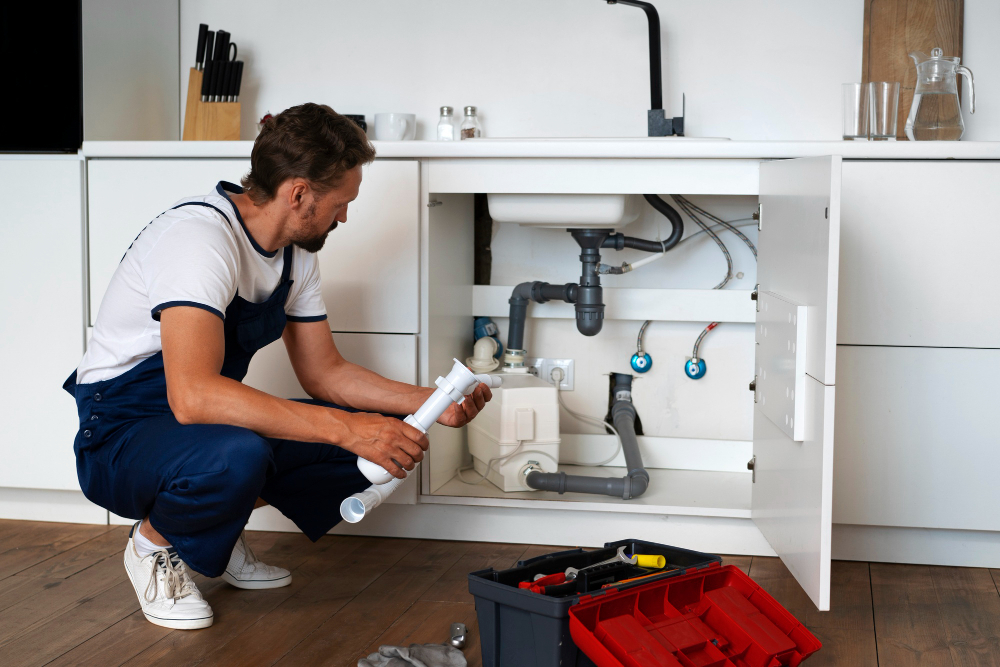
Drainage systems are designed to quietly handle waste and water flow, but they operate under constant stress. Over time, everyday materials like grease, soap residue, hair, and food particles begin to accumulate along pipe walls. This buildup narrows the passage for water, gradually reducing efficiency until a blockage forms.
What makes drain problems particularly tricky is how subtle they can be in the beginning. A slightly slower drain might not raise concern, but beneath the surface, pressure can build within the pipes. Left unaddressed, this can lead to leaks, pipe corrosion, or even structural damage in severe cases.
In colder climates or regions with fluctuating temperatures, pipes may also expand and contract, increasing the likelihood of cracks or misalignment. These small vulnerabilities can catch debris more easily, accelerating clog formation.
The Hidden Costs of Ignoring Slow Drains
Many homeowners tend to rely on quick fixes—store-bought chemical cleaners or temporary plunging solutions. While these methods might provide short-term relief, they rarely address the root cause. In fact, frequent use of harsh chemicals can weaken pipes over time, leading to more expensive repairs down the line.
A neglected drain issue doesn’t just stay confined to one fixture. Plumbing systems are interconnected, meaning a blockage in one section can impact other areas of the home. For example, a clogged kitchen drain can eventually affect bathroom plumbing if pressure imbalances occur within the system.
Water damage is another major concern. Even minor leaks caused by pressure buildup can seep into walls, flooring, and foundations. Repairing this type of damage often costs significantly more than preventative maintenance.
Modern Approaches to Drain Cleaning
Advancements in plumbing technology have made it easier to diagnose and resolve drain issues with precision. Instead of guesswork, professionals now use camera inspections to identify the exact location and cause of blockages. This allows for targeted solutions rather than broad, invasive repairs.
Hydro jetting is one of the most effective modern techniques. It uses high-pressure water streams to clear debris, grease, and even tree roots from pipes without causing damage. Unlike traditional snaking methods, hydro jetting cleans the entire pipe interior, reducing the likelihood of recurring clogs.
Another key benefit of professional drain cleaning is preventative care. Routine inspections can catch early warning signs before they escalate, helping homeowners avoid emergency situations.
When Drain Issues Signal Bigger HVAC Concerns
It might seem surprising, but drainage problems can sometimes connect to heating and cooling systems. Many HVAC units, particularly heat pumps, rely on proper drainage to function efficiently. Condensate lines carry excess moisture away from the system, and if these lines become clogged, it can lead to water buildup, reduced efficiency, or even system failure.
In regions where heat pumps are widely used, maintaining both plumbing and HVAC systems becomes a combined priority. Issues like water pooling near indoor units or unexplained humidity can sometimes trace back to drainage problems rather than mechanical faults.
This is where services like Armorair become relevant not just for plumbing-related concerns but also for maintaining overall home comfort systems. Homeowners dealing with recurring drainage issues often find that addressing them early helps prevent larger complications, including the need for Heat pump repair Indianapolis services later on.
Signs It’s Time to Take Action
Drain problems rarely resolve themselves. Recognizing early warning signs can make a significant difference in preventing costly repairs. Persistent odors, slow drainage across multiple fixtures, and unusual sounds like bubbling or gurgling are all indicators that something isn’t right.
Another overlooked sign is frequent clogs in the same location. If a sink or shower repeatedly backs up despite regular cleaning, the issue likely lies deeper within the plumbing system. Tree root intrusion, pipe misalignment, or heavy buildup may be at play.
Water stains or damp spots near walls and floors can also point to hidden drainage issues. These signs should never be ignored, as they often indicate leaks that could worsen over time.
Preventative Habits That Actually Work
Maintaining a healthy drainage system doesn’t require complicated routines, but consistency matters. Avoiding the disposal of grease, coffee grounds, and fibrous food waste down the sink can significantly reduce buildup. Using drain strainers in showers and sinks helps catch hair and debris before they enter the pipes.
Regular flushing with hot water can also help keep minor residue from sticking to pipe walls. However, it’s important to understand that these habits are preventative not corrective. Once a blockage has formed, professional intervention is usually necessary.
Scheduling periodic inspections, even when no visible issues are present, is one of the most effective ways to ensure long-term performance. It’s a proactive approach that can save both time and money.
The Bigger Picture of Home Maintenance
Drain cleaning is often viewed as a reactive service, something to address only when a problem arises. But in reality, it plays a crucial role in overall home maintenance. Efficient drainage supports not only plumbing but also contributes to the proper functioning of appliances and HVAC systems.
Ignoring minor issues today can lead to larger disruptions tomorrow. Whether it’s water damage, system inefficiency, or unexpected repair costs, the ripple effects of poor drainage can extend far beyond a single clogged pipe.

 Arabic
 French
 Spanish
 Portuguese
 Deutsch
 Turkish
 Dutch
Dutch
 Italiano
 Russian
 Romaian
 Portuguese (Brazil)
 Greek
Greek