
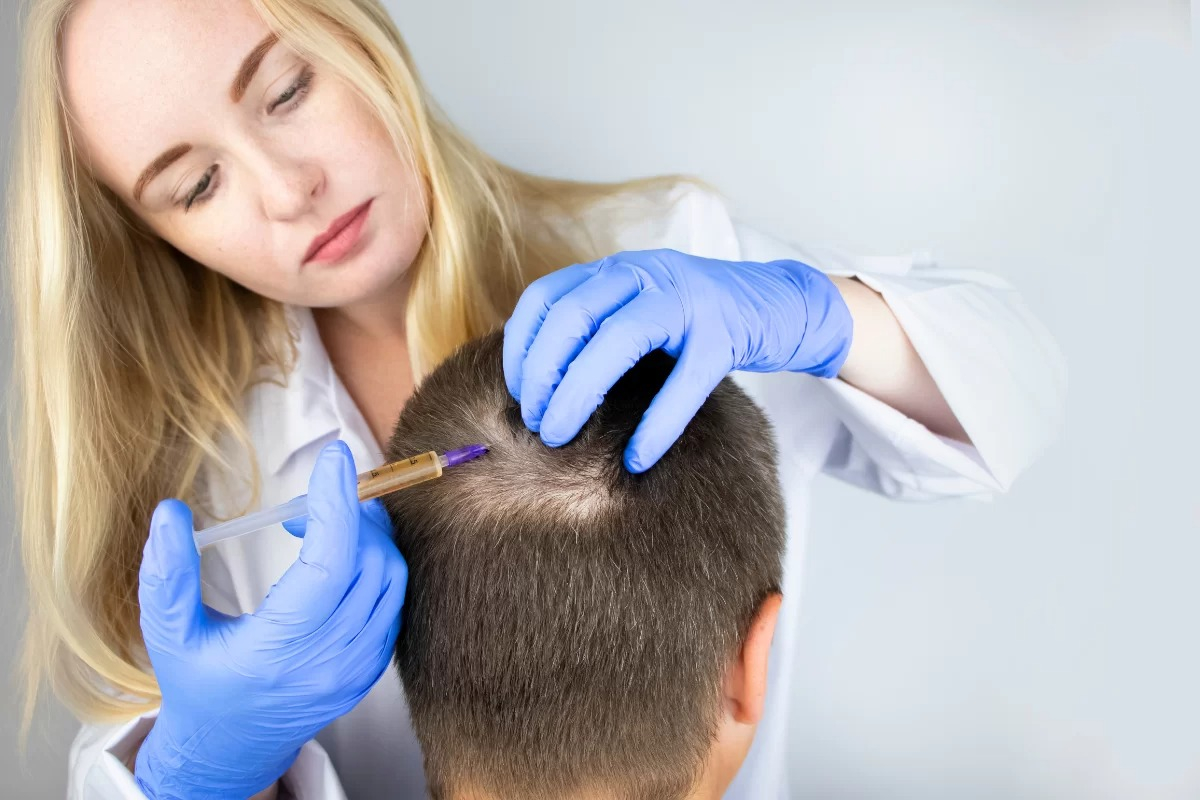
Alopecia cases require careful long-term observation because hair regrowth is not an instant or linear process. Instead, it progresses through cycles of improvement, stabilization, and occasional shedding phases that can confuse patients if not properly tracked. For this reason, structured monitoring systems have become a cornerstone of modern dermatological care. In many advanced settings, Alopecia Areata Treatment in Dubai is guided by detailed progress tracking methods that help evaluate how effectively follicles are responding to therapy and whether adjustments are needed over time.
Importance of Monitoring Progress in Alopecia Care
Tracking hair regrowth is essential because alopecia areata behaves unpredictably. Some patients experience rapid regrowth, while others see slow or patchy improvement. Without systematic monitoring, it becomes difficult to determine whether a treatment is truly effective or if the hair is simply cycling naturally.
Clinics rely on objective measurement rather than visual guesswork. This approach ensures that even subtle improvements—such as early vellus hair formation or reduced inflammation—are documented. It also helps clinicians differentiate between active disease and recovery phases, which often look similar to the untrained eye.
Standardized Clinical Photography for Comparison
One of the most widely used methods for tracking progress is standardized clinical photography. High-resolution images are taken at consistent angles, lighting conditions, and scalp positions. These images are captured at regular intervals, allowing direct comparison over weeks or months.
This method is particularly useful for identifying gradual changes that are not obvious in day-to-day observation. Even small increases in hair density or reduction in patch size become visible when images are compared side by side. Over time, these photographic records form a visual timeline of regrowth, making it easier to evaluate treatment response with precision.
Trichoscopy and Dermoscopic Evaluation
Trichoscopy, also known as scalp dermoscopy, is a non-invasive diagnostic technique that magnifies the scalp and hair follicles. It allows specialists to examine follicular openings, hair shaft thickness, and early signs of regrowth at a microscopic level.
In alopecia cases, trichoscopy can reveal key indicators such as yellow dots, exclamation mark hairs, and short regrowing hairs. As treatment progresses, these markers gradually reduce while healthy follicular units reappear. This tool is highly valuable because it provides insights that cannot be seen with the naked eye, especially in early recovery stages.
Hair Density and Scalp Mapping Techniques
Hair density measurement is another important component of progress tracking. Clinics often divide the scalp into mapped zones to evaluate regrowth in specific areas. Each zone is assessed for hair thickness, coverage, and follicle activity.
Scalp mapping ensures that improvements are not generalized but precisely localized. For instance, one region may respond faster to treatment while another remains dormant. By identifying these patterns, treatment strategies can be refined to target weaker areas more effectively.
Advanced imaging tools may also be used to calculate follicular unit density per square centimeter, offering a more scientific and repeatable method of assessment.
SALT Scoring System and Severity Tracking
The Severity of Alopecia Tool (SALT) score is a standardized system used to quantify hair loss and regrowth. It divides the scalp into regions and assigns percentage values based on hair coverage.
By comparing SALT scores over time, clinicians can objectively measure improvement or progression. A decrease in score indicates regrowth, while a stable score suggests disease control. This system is especially useful in long-term treatment plans, where gradual changes need to be documented consistently.
Digital Tools and AI-Assisted Hair Analysis
Modern monitoring increasingly incorporates digital imaging and artificial intelligence. High-resolution scalp scans can be analyzed by software that detects hair count, thickness variation, and growth patterns with remarkable precision.
These systems reduce human error and allow for more consistent tracking over time. AI-based analysis can even predict future regrowth trends by comparing historical data with current follicular activity. This level of detail helps in refining treatment decisions and setting realistic expectations for recovery timelines.
Patient Feedback and Symptom Tracking
While clinical tools are essential, patient-reported feedback remains equally important. Individuals experiencing alopecia often notice changes in scalp sensitivity, itching, shedding rates, or early signs of regrowth before they become visually apparent.
Clinics encourage structured feedback logs where patients record weekly observations. This subjective data is then combined with clinical findings to create a more complete picture of progress. Emotional well-being is also monitored, as stress and anxiety can influence hair cycles and overall treatment response.
Follow-up Schedule and Treatment Adjustments
Regular follow-up appointments are critical for ensuring that monitoring data translates into effective treatment decisions. During these visits, all collected data—from photographs to density measurements—is reviewed collectively.
If progress is slower than expected, treatment protocols may be adjusted to stimulate better follicular response. Conversely, if strong regrowth is observed, maintenance strategies may be introduced to stabilize results. This dynamic approach ensures that care remains personalized rather than static.
Consistent follow-up also helps detect early relapse, allowing timely intervention before significant hair loss occurs again.
Hair regrowth monitoring in alopecia cases is a multi-layered process that combines visual documentation, diagnostic imaging, scoring systems, and patient input to build a comprehensive understanding of progress. Each method contributes a different layer of insight, ensuring accuracy and consistency in long-term care. In advanced dermatological practice, Alopecia Areata Treatment often integrates these monitoring techniques to ensure that every stage of regrowth is carefully evaluated and treatment remains aligned with real-time scalp changes.

 English
 Arabic
 French
 Spanish
 Portuguese
 Deutsch
 Turkish
 Dutch
Dutch
 Italiano
 Romaian
 Portuguese (Brazil)
 Greek
Greek