
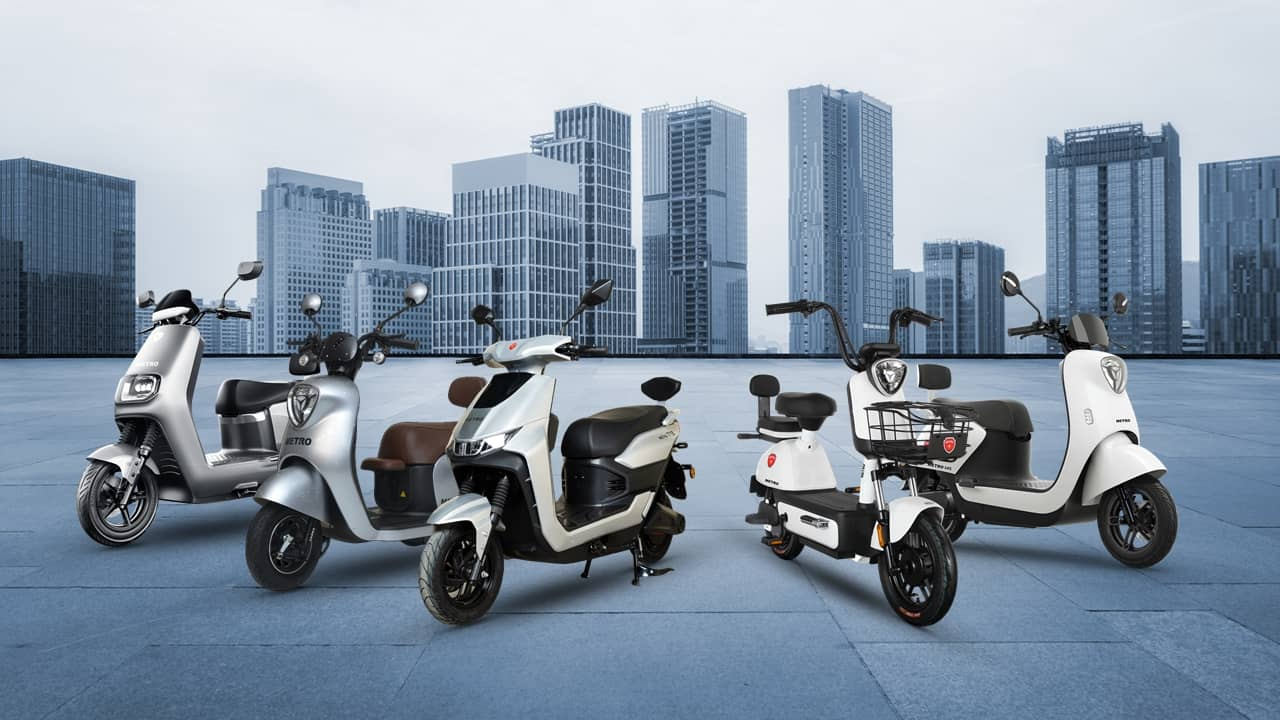
Electric bikes—often called e-bikes—are quickly becoming one of the most talked-about transportation options in the modern world. If you’ve ever seen a bike quietly glide past you without any engine noise and wondered “How is that even moving?”, you’ve already encountered one.
At its core, an electric bike is a vehicle powered by electricity instead of petrol. It looks similar to a traditional motorcycle or bicycle, but inside, it operates very differently. Instead of burning fuel, it uses a rechargeable battery and an electric motor to move forward.
So why is everyone suddenly interested in electric bikes? The answer is simple: rising fuel costs, environmental concerns, and the need for affordable mobility. People are looking for smarter, cheaper, and cleaner ways to travel—and electric bikes check all those boxes.
Think of it like switching from a traditional light bulb to an LED. Both give you light, but one is far more efficient, cost-effective, and future-ready. Electric bikes bring that same upgrade to transportation.
How Electric Bikes Work
Understanding how an electric bike works doesn’t require an engineering degree. In fact, the concept is surprisingly simple once you break it down.
An electric bike runs on a battery-powered motor system. When you turn on the bike and use the throttle (or pedal, depending on the type), the battery sends electricity to the motor. The motor then converts that electrical energy into motion, which turns the wheels and moves the bike forward.
Imagine it like a water system. The battery is the water tank, the controller is the tap, and the motor is the pipe that pushes water out. When you open the tap (twist the throttle), the flow begins, and the bike starts moving.
The entire process happens instantly and smoothly. There’s no ignition, no engine noise, and no vibrations like you’d experience with a petrol bike. That’s why riding an electric bike often feels almost effortless—like gliding rather than driving.
Key Components of an Electric Bike
To fully understand electric bikes, you need to know the main parts that make them work. The good news? There are fewer components than a petrol bike, which means less complexity.
Battery
The battery is the heart of an electric bike. It stores the energy needed to power the motor. Most modern electric bikes use lithium-ion batteries, which are lightweight, efficient, and long-lasting.
You can think of the battery as your fuel tank—but instead of filling it at a petrol pump, you charge it at home.
Motor
The motor is what actually drives the bike. It takes electricity from the battery and converts it into movement. Most electric bikes use a hub motor, which is placed inside the wheel.
Unlike traditional engines, electric motors are quiet, efficient, and require very little maintenance.
Controller
The controller is like the brain of the bike. It manages how much power goes from the battery to the motor based on how fast you want to go.
When you twist the throttle, the controller decides how much energy to send to the motor, ensuring a smooth and controlled ride.
Throttle and Display
The throttle works just like it does on a petrol bike—you twist it to accelerate. Many electric bikes also come with a digital display that shows speed, battery level, and distance traveled.
Read more: electric bicycle price in pakistan
Types of Electric Bikes
Electric bikes come in different types, depending on how they deliver power.
Throttle-Based Electric Bikes
These are the most common in countries like Pakistan. You simply twist the throttle, and the bike moves—no pedaling required. It works very much like a scooter or motorcycle.
Pedal Assist Electric Bikes
These bikes require you to pedal, but the motor provides assistance. The harder you pedal, the more help you get from the motor. These are more common in Western countries and are often used for fitness or leisure.
Electric Bike vs Regular Bike
So how does an electric bike compare to a regular petrol bike? Let’s break it down.
| Feature | Electric Bike | Petrol Bike |
|---|---|---|
| Fuel Type | Electricity | Petrol |
| Running Cost | Very Low | High |
| Maintenance | Minimal | High |
| Noise | Silent | Loud |
| Emissions | Zero | High |
The biggest difference lies in cost and efficiency. Electric bikes are significantly cheaper to run and maintain. However, petrol bikes still offer longer range and faster refueling.
Choosing between the two depends on your needs. If your daily travel is short and you want to save money, electric is the clear winner.
Benefits of Electric Bikes
Electric bikes offer several advantages that make them increasingly popular.
First, they are cost-effective. Charging a battery costs far less than buying petrol. Over time, this can save you thousands.
Second, they are eco-friendly. Electric bikes produce zero emissions, helping reduce air pollution. In cities struggling with smog, this is a huge benefit.
Third, they are easy to maintain. With fewer moving parts, there’s less wear and tear. No oil changes, no engine repairs—just simple, hassle-free usage.
It’s like upgrading from a manual process to automation—everything becomes smoother and more efficient.
Limitations of Electric Bikes
Of course, electric bikes aren’t perfect.
One major limitation is battery dependency. Once the battery runs out, you need to recharge it, which takes time.
Another challenge is the initial cost. Electric bikes can be more expensive upfront compared to basic petrol bikes.
There’s also the issue of charging infrastructure, which is still developing in many areas.
However, as technology improves, these limitations are gradually becoming less significant.
Who Should Buy an Electric Bike?
Electric bikes are ideal for people who want a practical and affordable way to travel short distances.
They are perfect for:
- Students commuting to school or university
- Office workers traveling daily
- Delivery riders managing multiple trips
- Anyone looking to reduce fuel expenses
If your daily commute is within city limits, an electric bike can be a game-changer.
Things to Consider Before Buying
Before you buy an electric bike, there are a few things you should keep in mind.
Range and Battery Life
Check how far the bike can travel on a single charge. Most bikes offer between 40 to 100 km, depending on the model.
Charging and Maintenance
Make sure you have access to a charging point at home or work. Also, consider battery lifespan and replacement costs.
Future of Electric Bikes
Electric bikes are not just a trend—they are the future of transportation. With rising fuel prices and increasing environmental awareness, more people are switching to electric.
In Pakistan, the adoption of electric bikes is growing rapidly. Government incentives, local manufacturing, and improved technology are driving this growth.
The question is no longer if electric bikes will become mainstream—it’s when.
Conclusion
An electric bike is a simple yet powerful innovation that’s changing how people think about transportation. It replaces fuel with electricity, noise with silence, and high costs with affordability.
If you’re looking for a smarter, cleaner, and more economical way to travel, an electric bike might be exactly what you need. The technology is simple, the benefits are clear, and the future is electric.

 Arabic
 French
 Spanish
 Portuguese
 Deutsch
 Turkish
 Dutch
Dutch
 Italiano
 Russian
 Romaian
 Portuguese (Brazil)
 Greek
Greek