
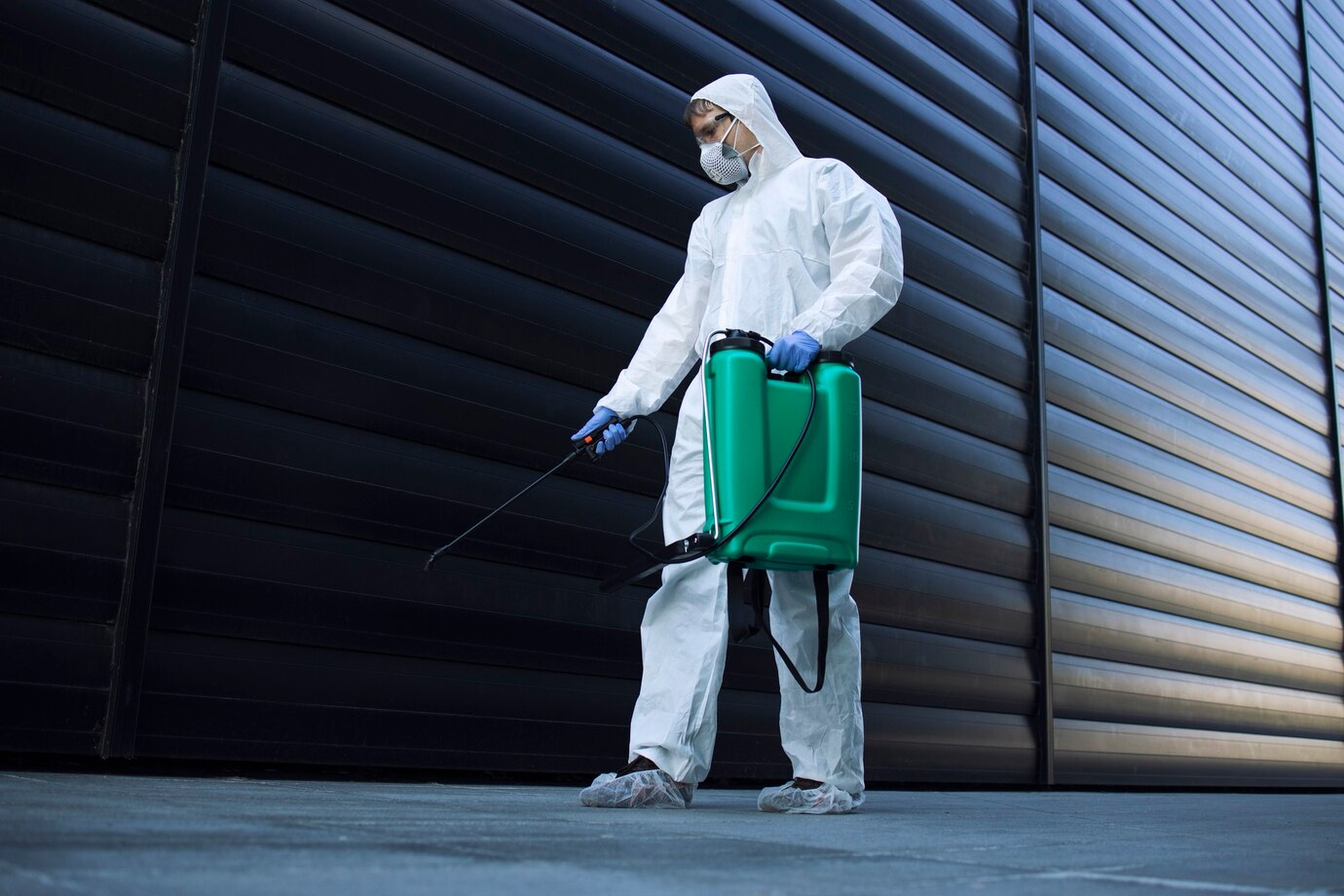
Running a restaurant in the Gold Coast is exciting, but it also comes with strict hygiene responsibilities—especially when it comes to pest control. From cockroaches and rodents to flies and ants, pests are one of the biggest threats to any food business. If not managed properly, they can damage your reputation, cause health risks, and even lead to legal penalties.
This guide covers everything restaurant owners and managers must know about pest control in the Gold Coast, including regulations, common pests, prevention strategies, and why professional services are essential.
Why Pest Control Is Critical for Restaurants
Pest control is not just about cleanliness—it’s about food safety, compliance, and business survival. Restaurants are highly vulnerable to pests because they provide the perfect environment: food, water, and shelter.
Pests can:
- Contaminate food with bacteria and viruses
- Spread diseases to customers and staff
- Damage equipment and infrastructure
- Harm your brand reputation
Even a single pest sighting can result in negative reviews or lost customers. In severe cases, authorities can shut down your business.
Legal Requirements in Australia
In Australia, food businesses must comply with strict safety standards. According to food safety regulations, restaurants must take all reasonable measures to prevent pests from entering and breeding on the premises.
This includes:
- Preventing pest access to food areas
- Eliminating infestations quickly
- Maintaining proper pest control systems
Failing to meet these requirements can lead to fines, legal action, or license suspension.
Common Pests in Gold Coast Restaurants
The Gold Coast’s warm and humid climate creates ideal conditions for pests year-round. Some of the most common pests found in restaurants include:
1. Cockroaches
Cockroaches thrive in kitchens, drains, and storage areas. They spread bacteria and are difficult to eliminate once established.
2. Rodents (Rats & Mice)
Rodents are attracted to food waste and storage areas. They can chew through packaging, contaminate food, and spread diseases.
3. Flies
Flies are drawn to garbage and food waste. They can carry harmful pathogens and quickly contaminate surfaces.
4. Ants
Ants are commonly found near sugary substances and food residues. They often build nests near waste areas.
5. Stored Product Pests
These include beetles, moths, and weevils that infest dry food items like grains and flour.
Restaurants naturally attract these pests due to food availability and waste, making ongoing pest control essential.
Key Areas at Risk in Restaurants
Pests don’t just appear randomly—they target specific areas within a restaurant:
- Kitchen and cooking areas
- Food storage rooms
- Waste disposal zones
- Delivery and loading areas
- Dining spaces (especially near spills or crumbs)
Hidden spaces like wall cavities, under equipment, and behind appliances are also high-risk zones.
The Importance of a Pest Management Plan
A pest management plan is a structured approach to preventing and controlling pests. It is not a one-time activity but an ongoing process.
A proper plan includes:
- Regular inspections
- Identification of pest types
- Use of safe treatment methods
- Monitoring and documentation
- Preventive measures
Professional pest control providers often design customized plans based on your restaurant’s layout and risk level.
Preventive Measures Every Restaurant Should Follow
Prevention is always better than cure. Here are essential steps every restaurant should implement:
1. Maintain Cleanliness
- Clean kitchen surfaces regularly
- Remove food debris immediately
- Keep floors, drains, and equipment clean
2. Proper Waste Management
- Use sealed garbage bins
- Dispose of waste frequently
- Clean bin areas daily
3. Seal Entry Points
- Fix cracks and gaps in walls
- Install door seals and screens
- Repair damaged vents
4. Store Food Safely
- Use airtight containers
- Keep food off the floor
- Rotate stock regularly
5. Control Moisture
- Fix leaks immediately
- Avoid standing water
- Maintain proper drainage
These practices significantly reduce the chances of pest infestations.
Professional Pest Control: Why It’s Essential
While basic hygiene helps, it is not enough. Professional pest control services Gold Coast play a crucial role in maintaining compliance and safety.
Benefits of Hiring Experts:
- Thorough inspections and risk assessment
- Use of safe, food-grade treatments
- Advanced pest control techniques
- Ongoing monitoring and reporting
- Compliance with HACCP and food safety standards
Professional services also ensure that treatments are applied safely, without contaminating food preparation areas.
Types of Pest Control Methods Used
Modern pest control uses a combination of techniques:
1. Chemical Treatments
Low-toxicity sprays and baits are used in non-food contact areas.
2. Non-Toxic Solutions
Gel baits and traps that are safe for kitchens.
3. Integrated Pest Management (IPM)
A holistic approach combining prevention, monitoring, and control.
4. Physical Barriers
Sealing gaps and installing screens to prevent entry.
5. Monitoring Systems
Regular inspections and pest activity tracking.
These methods ensure long-term pest prevention rather than temporary fixes.
Frequency of Pest Control Services
Restaurants typically require:
- Monthly pest control treatments
- Regular inspections (weekly or bi-weekly in high-risk areas)
- Immediate action when pests are detected
Consistent monitoring is crucial because pests can return quickly if not controlled.
Risks of Ignoring Pest Control
Ignoring pest control can have serious consequences:
- Health code violations
- Business closure
- Legal penalties
- Loss of customer trust
- Negative online reviews
There have been cases where restaurants faced legal action due to pest infestations and poor hygiene standards, highlighting the importance of proper pest management.
Signs of Pest Infestation
Early detection can save your business from major problems. Watch out for:
- Droppings or urine stains
- Unusual odors
- Gnaw marks on packaging
- Dead insects or rodents
- Nesting materials
- Increased pest sightings
If you notice any of these signs, immediate action is required.
Eco-Friendly Pest Control Options
Many restaurants now prefer eco-friendly solutions that are safe for customers and the environment. These include:
- Plant-based pesticides
- Biological pest control
- Natural repellents
- Non-toxic traps
Eco-friendly pest control focuses on prevention and sustainability while maintaining effectiveness.
Final Thoughts
Restaurant pest control in the Gold Coast is not optional—it’s a necessity. With strict food safety regulations and high customer expectations, maintaining a pest-free environment is essential for success.
By combining proper hygiene practices, preventive measures, and professional pest control services, restaurant owners can protect their business, ensure compliance, and provide a safe dining experience.
In the end, pest control is not just about eliminating pests—it’s about safeguarding your reputation, your customers, and your future.

 English
 Arabic
 French
 Spanish
 Portuguese
 Deutsch
 Turkish
 Dutch
Dutch
 Italiano
 Russian
 Romaian
 Greek
Greek